
How Sneakers Became the Ultimate Luxury Accessory
There was a time when wearing sneakers to a fine dining restaurant would get you turned away at the door. Today, a pair of limited edition Dior x Air Jordans might be the most expensive thing anyone in that restaurant is wearing, including the jewellery. That shift didn't happen overnight. It took decades of cultural momentum, celebrity influence, and a fundamental rethinking of what "luxury" actually means for sneakers to earn their place alongside luxury watches and designer handbags as genuine status symbols.
The global luxury footwear market was valued at over $41 billion in 2025 and is projected to reach $76 billion by 2034. Within that, sneakers represent the fastest growing segment, driven by younger collectors who see a rare pair of kicks the same way previous generations saw a Rolex Daytona or an Hermès Birkin. This isn't a passing trend. It's a permanent shift in how the world defines luxury.
What makes this transformation so fascinating is that it touches everything from fashion history and hip hop culture to investment strategy and craftsmanship. And whether you're already deep in the sneaker world or just starting to notice that the person next to you on the plane is wearing shoes that cost more than your luggage, understanding how we got here tells you something important about where luxury is headed next.
From the Basketball Court to the Runway: A Brief History
The story of sneakers becoming luxury really begins in 1984, when Nike signed a rookie basketball player named Michael Jordan and created the Air Jordan 1. The shoe was banned by the NBA for violating uniform regulations, which turned out to be the greatest marketing moment in footwear history. Every time Jordan was fined $5,000 for wearing them on the court, Nike happily paid the fee. The controversy made the shoes irresistible, and suddenly athletic footwear carried cultural weight it had never had before.
Throughout the 1990s and early 2000s, sneaker culture grew primarily through hip hop and skateboarding. Artists like Run DMC had already put Adidas Superstars on the cultural map in the 1980s, but it was the next generation of rappers and producers who turned sneaker collecting into a serious pursuit. Limited releases created scarcity. Scarcity created desire. And desire, as any collector of limited edition luxury pieces will tell you, is what transforms an object from something you wear into something you treasure.
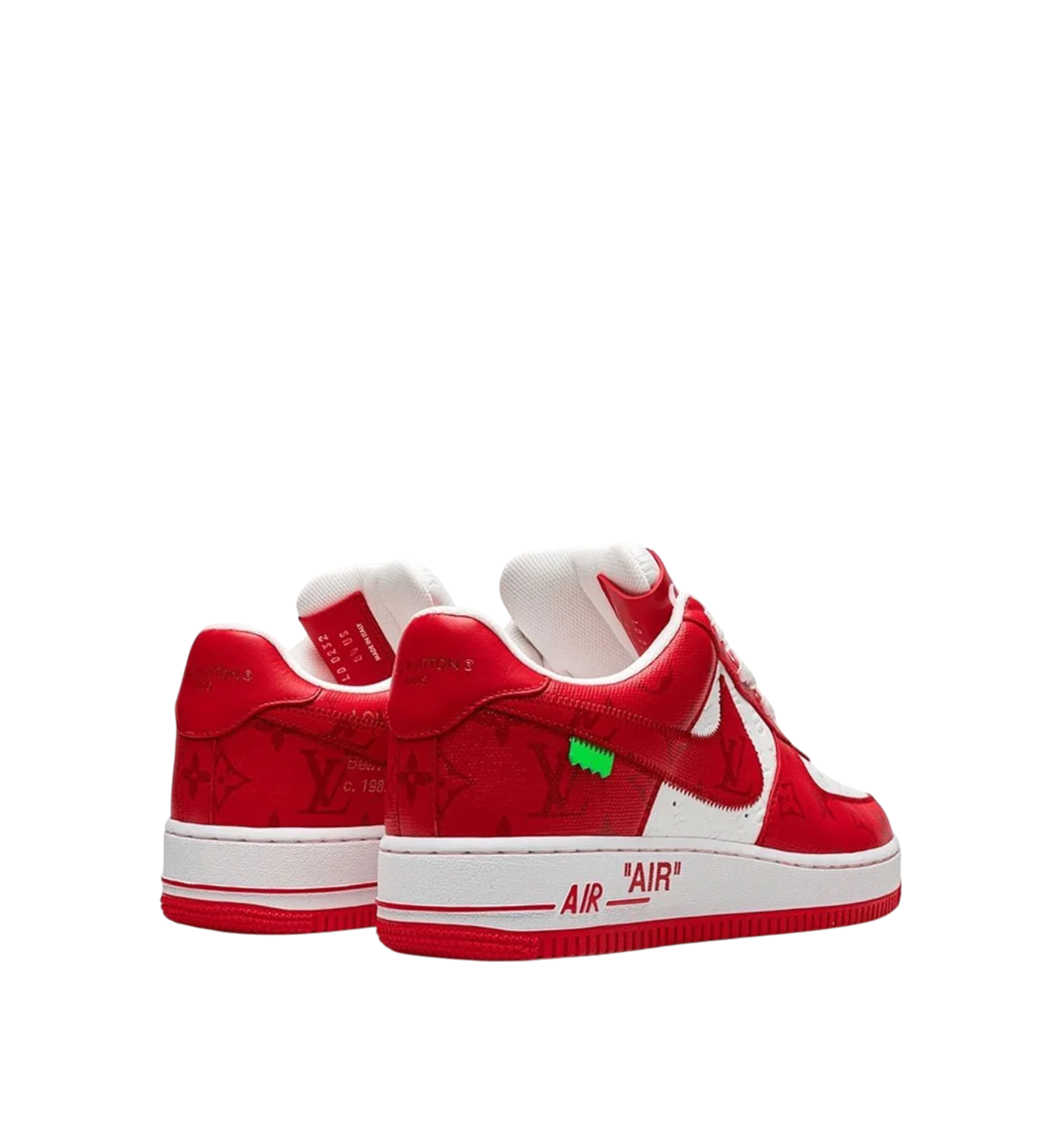
The real turning point came in the mid 2010s when high fashion houses started taking sneakers seriously. Balenciaga released the Triple S in 2017, a chunky, deliberately exaggerated shoe that retailed for around $850 and sold out almost immediately. Louis Vuitton, Gucci, Prada, and Dior followed with their own luxury sneaker lines. The message was clear: the world's most prestigious fashion brands now considered sneakers worthy of their name and craftsmanship.
Why Luxury Brands Embraced Sneakers
The move into sneakers wasn't just about following trends. It was strategic. Luxury houses had a problem: their core customer base was aging, and younger consumers weren't showing the same loyalty to traditional accessories that their parents had. A 25 year old might not be ready to invest in a Patek Philippe timepiece, but they would absolutely spend $1,200 on a pair of designer sneakers that signals the same level of taste and cultural awareness.
Sneakers became the gateway product. They introduced a younger demographic to luxury brands in a way that felt authentic to their lifestyle rather than aspirational in the old fashioned sense. You didn't need to dress formally to participate in luxury anymore. You just needed to know which sneakers mattered and how to get them.
This strategy worked spectacularly. When Dior released the Air Jordan 1 High OG collaboration in 2020, the brand received over five million entries for just 8,500 pairs. The retail price was $2,000. Within weeks, resale prices exceeded $10,000. That kind of demand would make any luxury house take notice, and it made sneakers one of the most talked about categories in the entire luxury industry.
The Collaboration Effect: Where Sport Meets High Fashion
Collaborations between athletic brands and fashion houses have become the engine driving the luxury sneaker market. These aren't simple licensing deals. They represent genuine creative partnerships that produce shoes combining athletic performance technology with haute couture design sensibility.
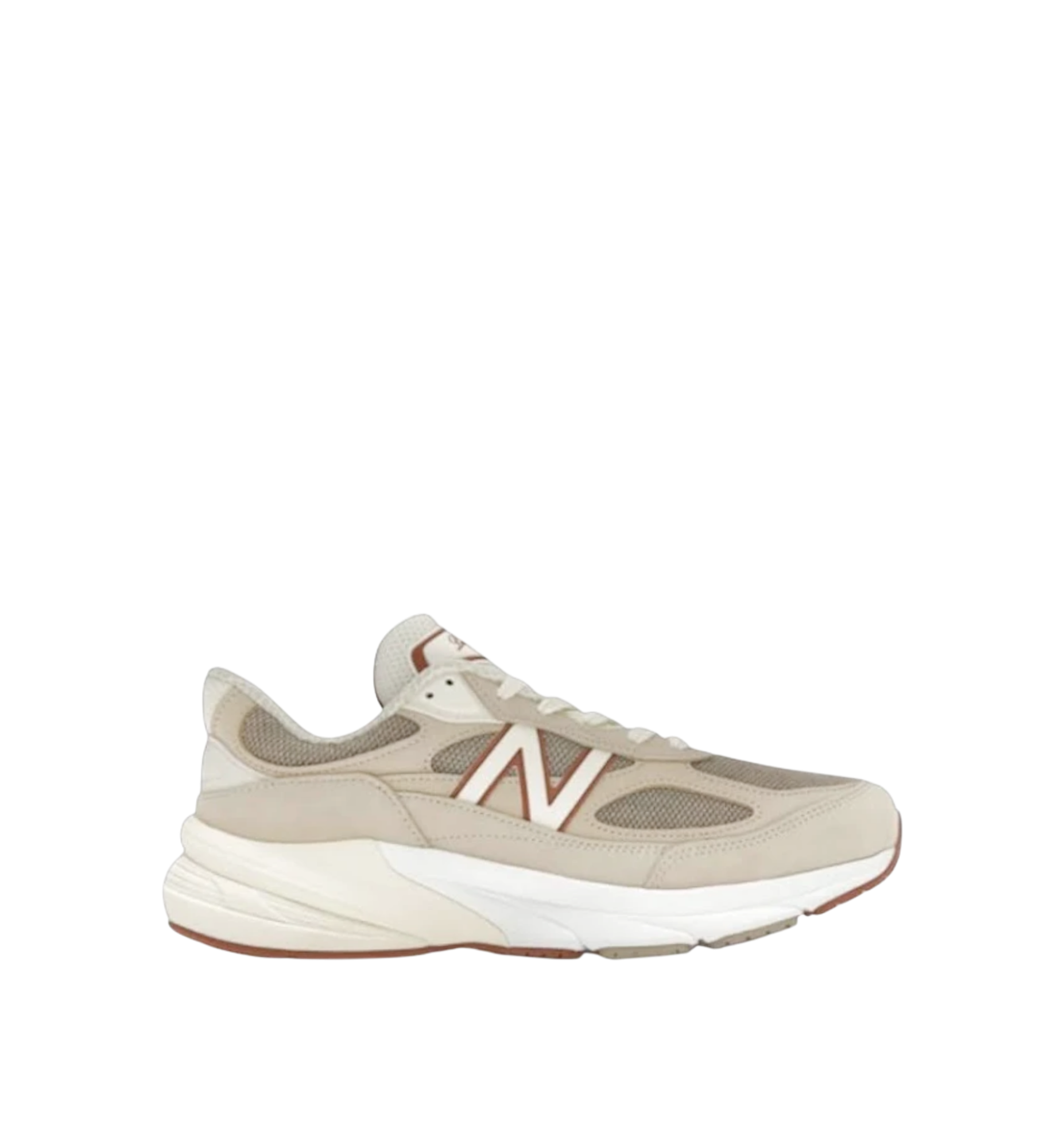
Some of the most significant collaborations that shaped the market include Nike x Off White, where the late Virgil Abloh deconstructed classic Nike silhouettes with his signature quotation marks and zip ties, creating shoes that looked like they belonged in a contemporary art museum. Then there's the ongoing Adidas x Prada partnership, which brought Italian craftsmanship to athletic footwear in a way that felt both natural and groundbreaking. And New Balance's collaborations with brands like Miu Miu and Aimé Leon Dore proved that luxury sneakers didn't need to be loud or logo heavy to command premium prices.
What these collaborations have in common is storytelling. Each one creates a narrative around the shoes that gives collectors something beyond the physical product. It's the same principle that makes a Rolex watch more valuable than its materials alone. The story, the heritage, and the cultural significance all become part of what you're buying.
Sneakers as Investment: The Numbers Don't Lie
The sneaker resale market was projected to reach $6 billion in 2025, and certain pairs have appreciated at rates that would make traditional investors jealous. A pair of Nike Air Yeezy 2 "Red October" sneakers that retailed for $245 in 2014 has sold at auction for over $50,000. The original Nike Air Jordan 1s from 1985 have fetched upwards of $560,000 at Sotheby's. These aren't outliers. They represent a broader trend of sneakers being treated as collectible assets with genuine investment potential.
This investment angle is particularly relevant in markets like Dubai, where collectors already understand the value of luxury goods that appreciate over time. The same mindset that drives someone to invest in Cartier jewellery or a rare timepiece is now being applied to sneakers. Scarcity, brand heritage, condition, and cultural significance all determine value, just like they do in the watch and jewellery markets.
The limited edition luxury sneaker market itself is growing at a remarkable compound annual growth rate of nearly 18 percent, making it one of the fastest expanding segments in all of luxury goods. For collectors who understand the market, luxury sneakers represent an opportunity to own something that's both wearable and potentially appreciating in value.
What Makes a Sneaker "Luxury" in 2026
Not every expensive shoe qualifies as a luxury sneaker in the way collectors and the fashion industry use the term. True luxury sneakers share several characteristics that separate them from mainstream athletic footwear, even premium athletic footwear.
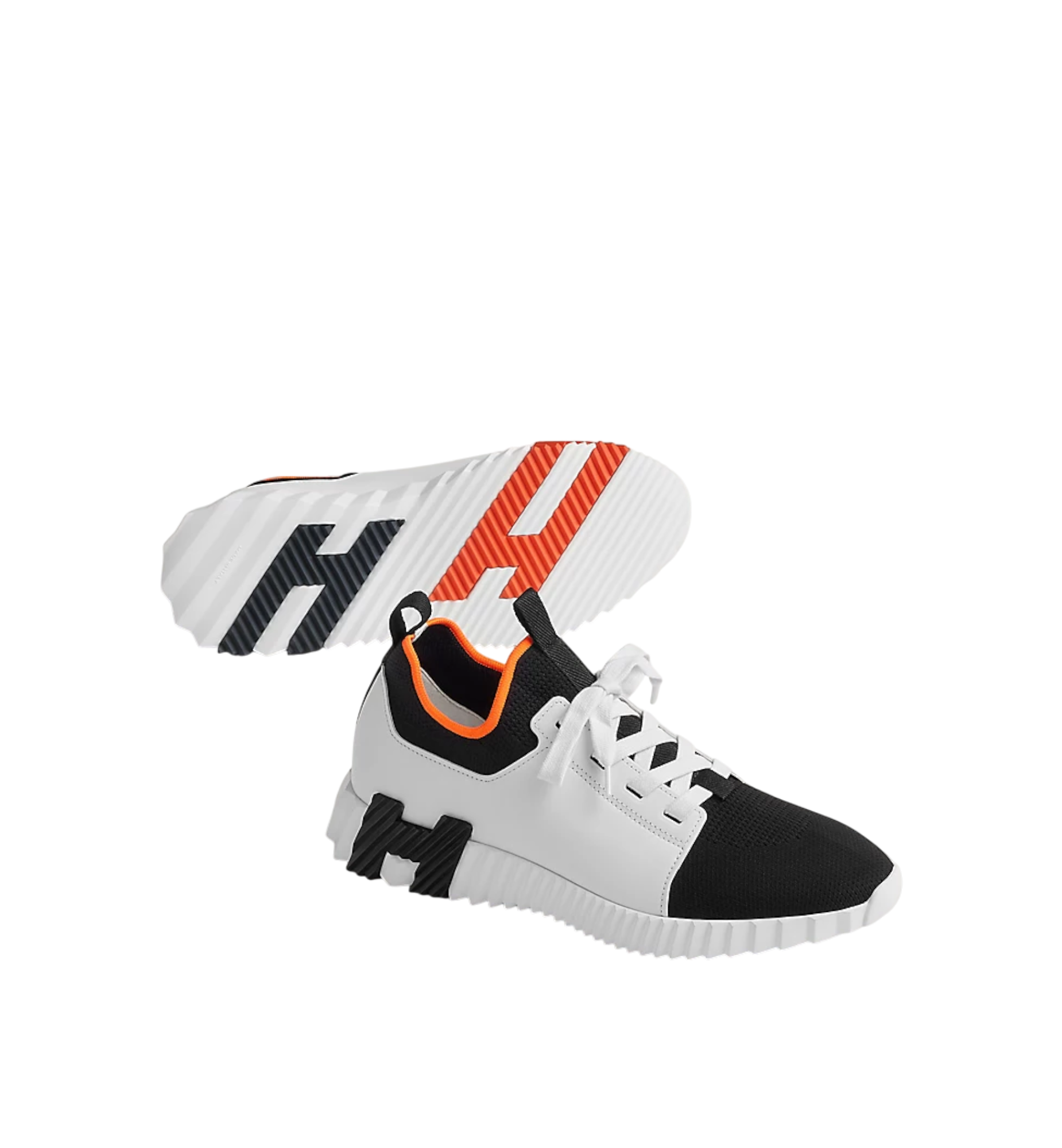
Materials matter enormously. Luxury sneakers use calfskin leather, suede, exotic skins, technical fabrics developed specifically for the shoe, and hardware that matches what you'd find on a high end handbag. The construction involves hand finishing and quality control processes borrowed from traditional luxury manufacturing rather than mass production techniques.
Scarcity is another defining factor. Whether it's a limited production run, a regional exclusive, or a collaboration with a specific designer, luxury sneakers almost always have some element of restricted availability. This is intentional. It mirrors the approach that watch brands like Audemars Piguet and fashion houses like Hermès use to maintain desirability and value.
Then there's design intent. A luxury sneaker isn't just a shoe with a high price tag. It's a shoe where every design decision, from the shape of the sole to the placement of the stitching, reflects a deliberate creative vision. The best luxury sneakers are recognisable at a glance, which is exactly the same quality that defines the most iconic pieces in any luxury category.
The Dubai Factor: Why the Middle East Embraced Luxury Sneakers
Dubai and the broader Middle East have become one of the most important markets for luxury sneakers globally. The UAE specifically has been growing at an impressive annual rate exceeding 6.8 percent in the sneaker market, driven by high consumer spending power and a genuine appreciation for premium, limited edition footwear.
Several factors make Dubai a natural home for luxury sneaker culture. The city's population is young, fashion conscious, and internationally connected. Residents and visitors have access to global releases through both physical retail and online platforms, and the social culture in Dubai places genuine value on personal style and self expression through fashion.
The existing luxury ecosystem in Dubai also helps. A city where people already appreciate the craftsmanship behind a Richard Mille or the artistry of a Louis Vuitton limited edition is a city that instinctively understands why a pair of sneakers can be worth thousands of dirhams. The appreciation isn't about the price. It's about understanding quality, exclusivity, and cultural relevance.
Sneakers and the New Definition of Luxury
Perhaps the most significant thing about sneakers becoming luxury accessories is what it reveals about how the concept of luxury itself is changing. Traditional luxury was formal. It was about dressing up, about occasions, about signaling status through established codes. You wore a watch to show success. You carried a certain handbag to show taste. You wore leather shoes to show seriousness.
The sneaker revolution challenged all of that. It said that luxury could be casual, that status could be expressed through knowledge and access rather than formality, and that the most coveted items in the world might come from a collaboration between a rapper and a sportswear brand rather than a centuries old European atelier.
This doesn't mean traditional luxury is going anywhere. People will always value the heritage and craftsmanship of a beautifully made piece of fine jewellery or the mechanical precision of a Swiss timepiece. But the definition has expanded. Today's luxury collector might wear a Patek Philippe on their wrist, carry a designer handbag, and complete the look with a pair of sneakers that required just as much effort, knowledge, and investment to acquire.
That's the real story of how sneakers became the ultimate luxury accessory. It wasn't just that expensive shoes became popular. It was that an entirely new generation redefined what luxury means, and sneakers were the vehicle that carried that change from the basketball court to the front row of fashion week.
Frequently Asked Questions
Are luxury sneakers a good investment in 2026?
Certain luxury sneakers have proven to be excellent investments, with some limited edition pairs appreciating by several hundred percent within a few years of release. The key factors that determine investment potential are scarcity, brand heritage, cultural significance, and condition. Not every expensive sneaker will appreciate in value, just as not every luxury watch will. The sneakers most likely to hold or increase in value are limited production collaborations between major brands and designers, original releases of culturally significant silhouettes, and deadstock (unworn, in original packaging) pairs of shoes that are no longer in production. If you're approaching sneakers purely as an investment, research the specific release, understand the production numbers, and always prioritise authentication and condition.
Why do luxury sneakers cost so much?
The price of luxury sneakers reflects several factors working together. Premium materials like Italian calfskin, exotic leathers, and proprietary technical fabrics cost significantly more than standard materials. Hand finishing and quality control add labour costs. Limited production runs mean higher per unit costs compared to mass produced shoes. Brand investment in design, collaboration fees, and marketing all factor in. And ultimately, scarcity drives market pricing. A shoe produced in quantities of 8,500 pairs worldwide and desired by millions of people will naturally command a premium. Whether that premium is justified depends on what you value, but the market has consistently shown that collectors are willing to pay significant amounts for the right pair.
How can I tell if luxury sneakers are authentic?
Authentication is critical in the luxury sneaker market, especially as counterfeits have become increasingly sophisticated. Look for consistent stitching quality, accurate colourways matching official releases, correct materials with proper weight and texture, accurate labelling with no spelling errors, and proper packaging including boxes, tissue paper, and any included accessories. Professional authentication services exist for high value purchases, and reputable retailers provide authenticity guarantees. The same vigilance you would apply to purchasing a luxury watch or a designer necklace should apply to sneaker purchases. If the price seems too good to be true, it almost certainly is.
What are the most iconic luxury sneaker collaborations of all time?
The collaborations that fundamentally shaped the luxury sneaker market include the Dior x Air Jordan 1 High OG (2020), which bridged haute couture and sneaker culture at the highest level. The Nike x Off White "The Ten" collection (2017) by Virgil Abloh, which deconstructed ten classic Nike silhouettes and essentially created the template for modern luxury sneaker collaborations. The Adidas Yeezy line with Kanye West, which proved that a single collaboration could generate billions in revenue. And more recently, partnerships like Miu Miu x New Balance and Loewe x On have shown that luxury sneaker collaborations continue to evolve in exciting new directions.
Can you wear luxury sneakers with formal outfits?
Absolutely, and this is one of the most significant fashion shifts of the past decade. Luxury sneakers are now regularly paired with tailored suits, evening wear, and business attire by fashion forward individuals around the world. The key is choosing the right sneaker for the outfit. Clean, minimalist luxury sneakers in neutral colours work best with formal clothing, while bolder, more statement making pairs are better suited to smart casual or streetwear looks. In cities like Dubai, where personal style is celebrated and fashion rules are constantly being rewritten, pairing luxury sneakers with formal pieces has become completely normalised and is often seen as a mark of confident personal style.
 Same Day Delivery
 Same Day Delivery
 Same Day Delivery
 Same Day Delivery
 Same Day Delivery
 Same Day Delivery
 Same Day Delivery
 Same Day Delivery