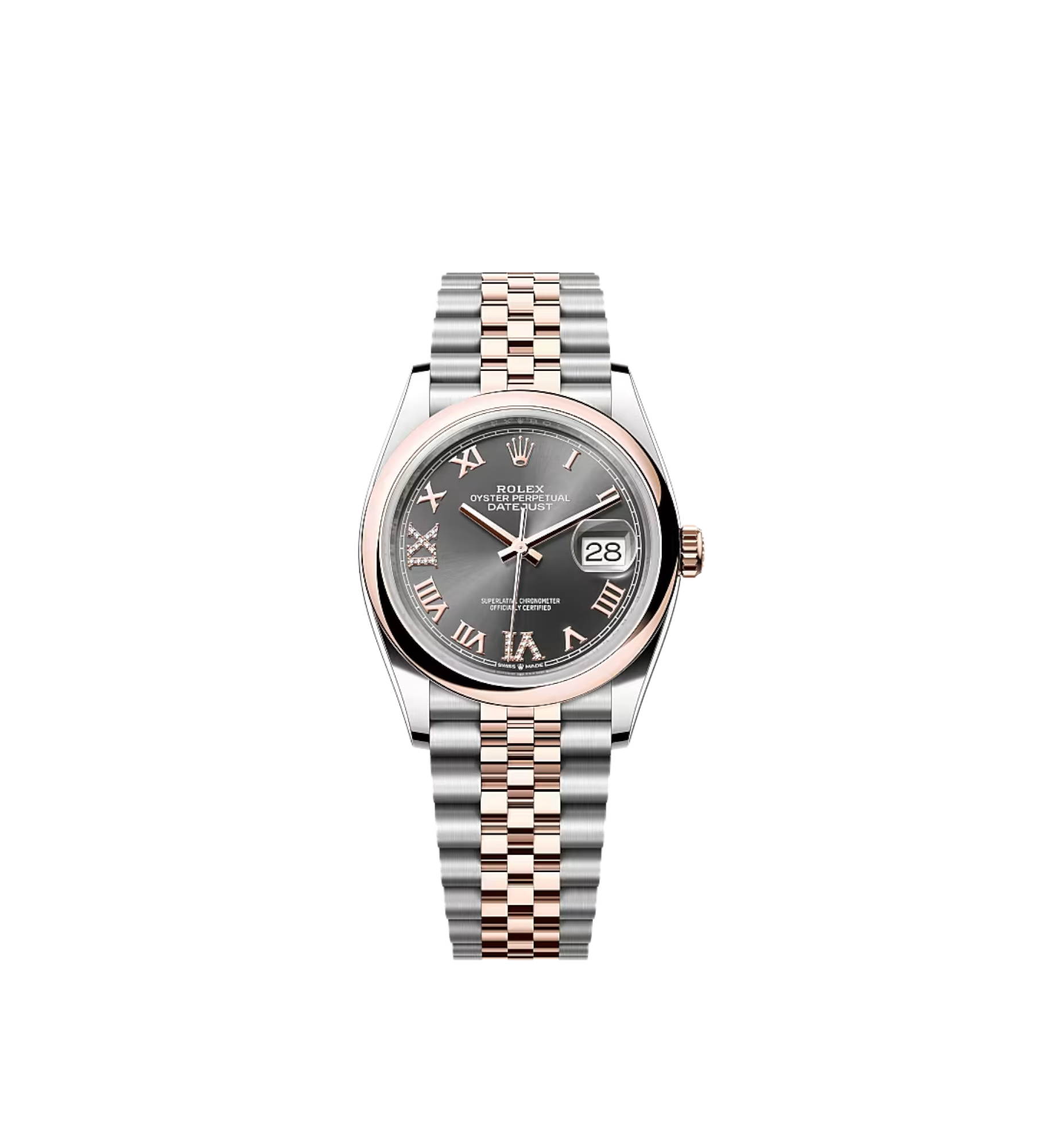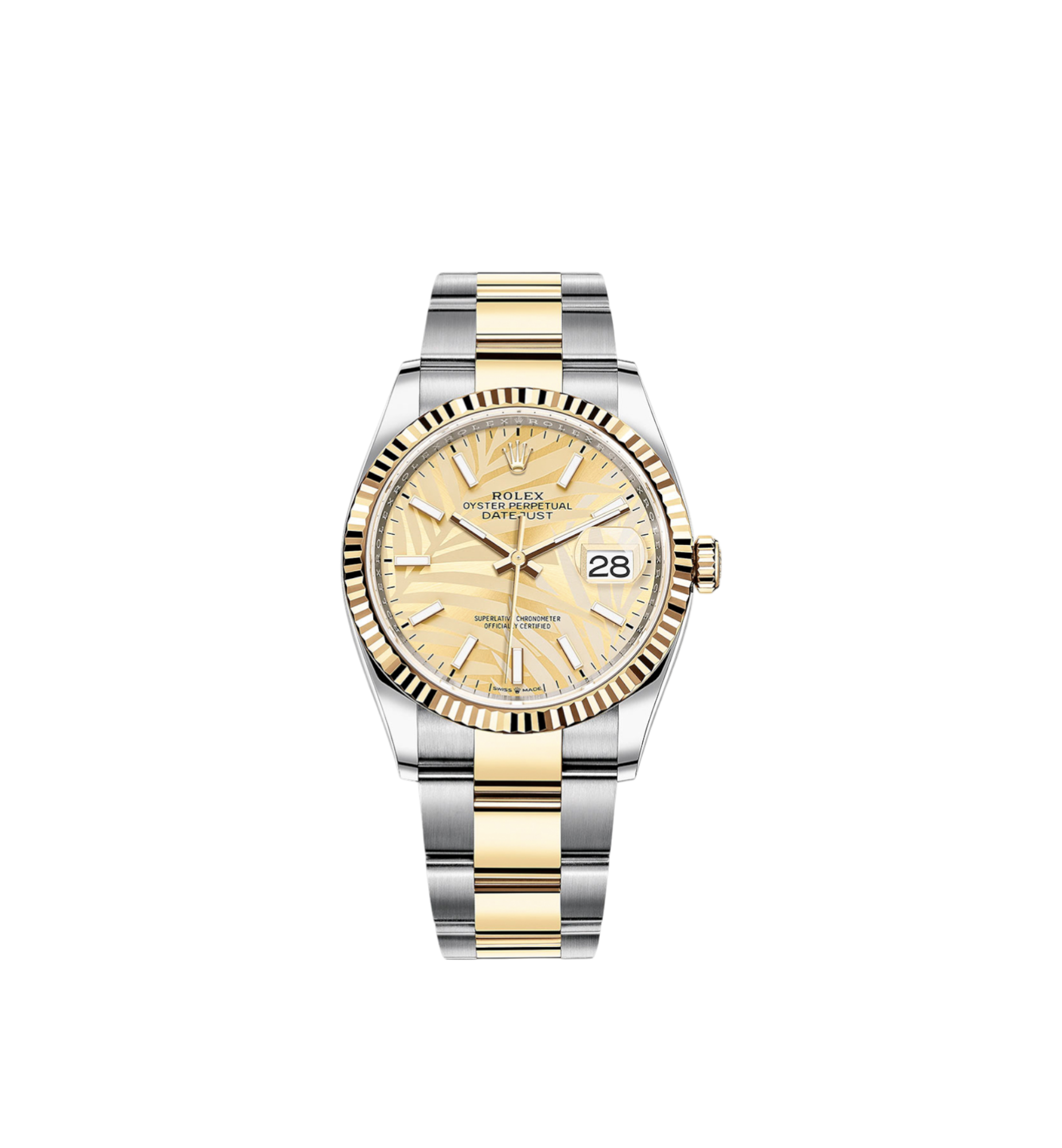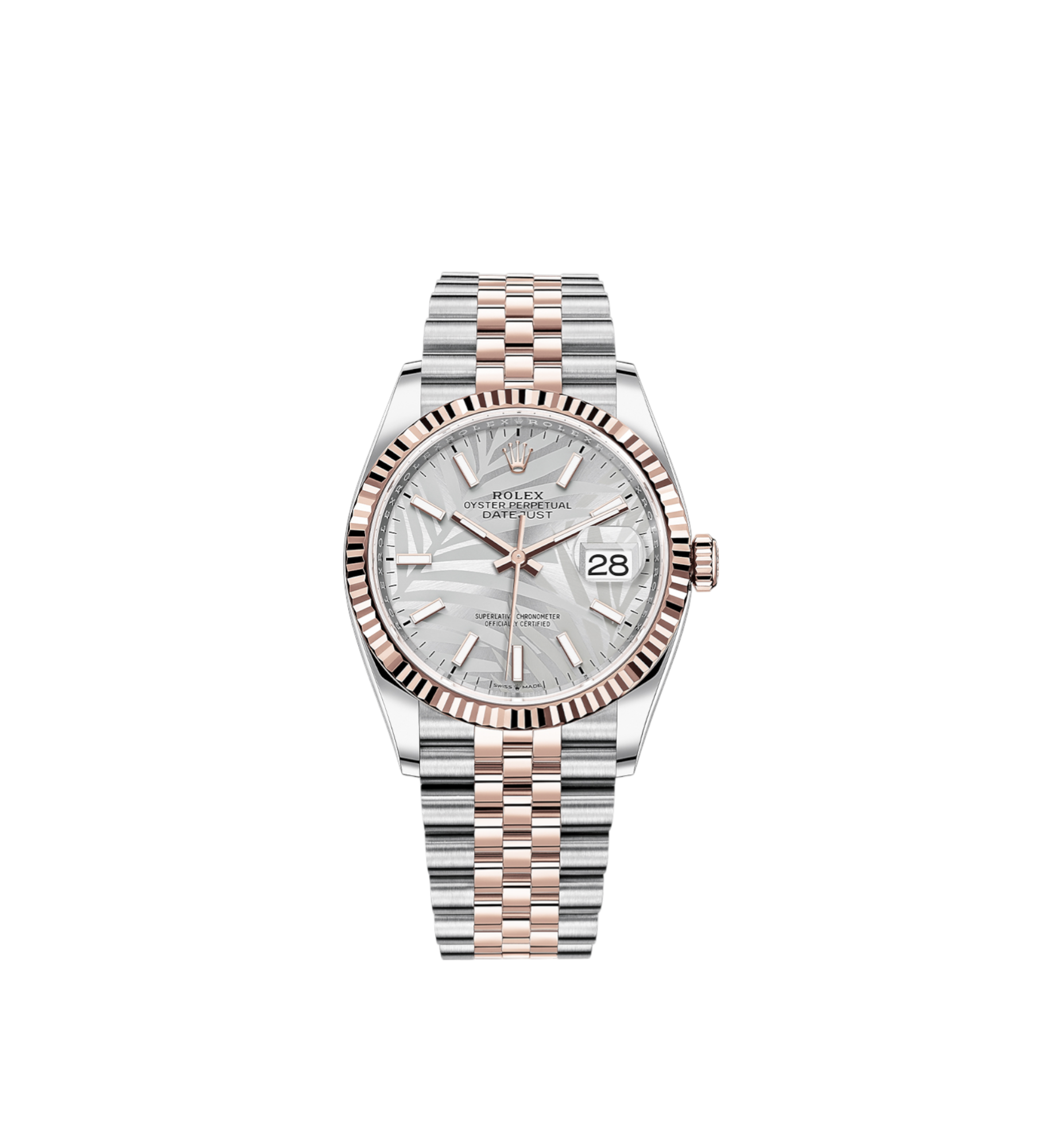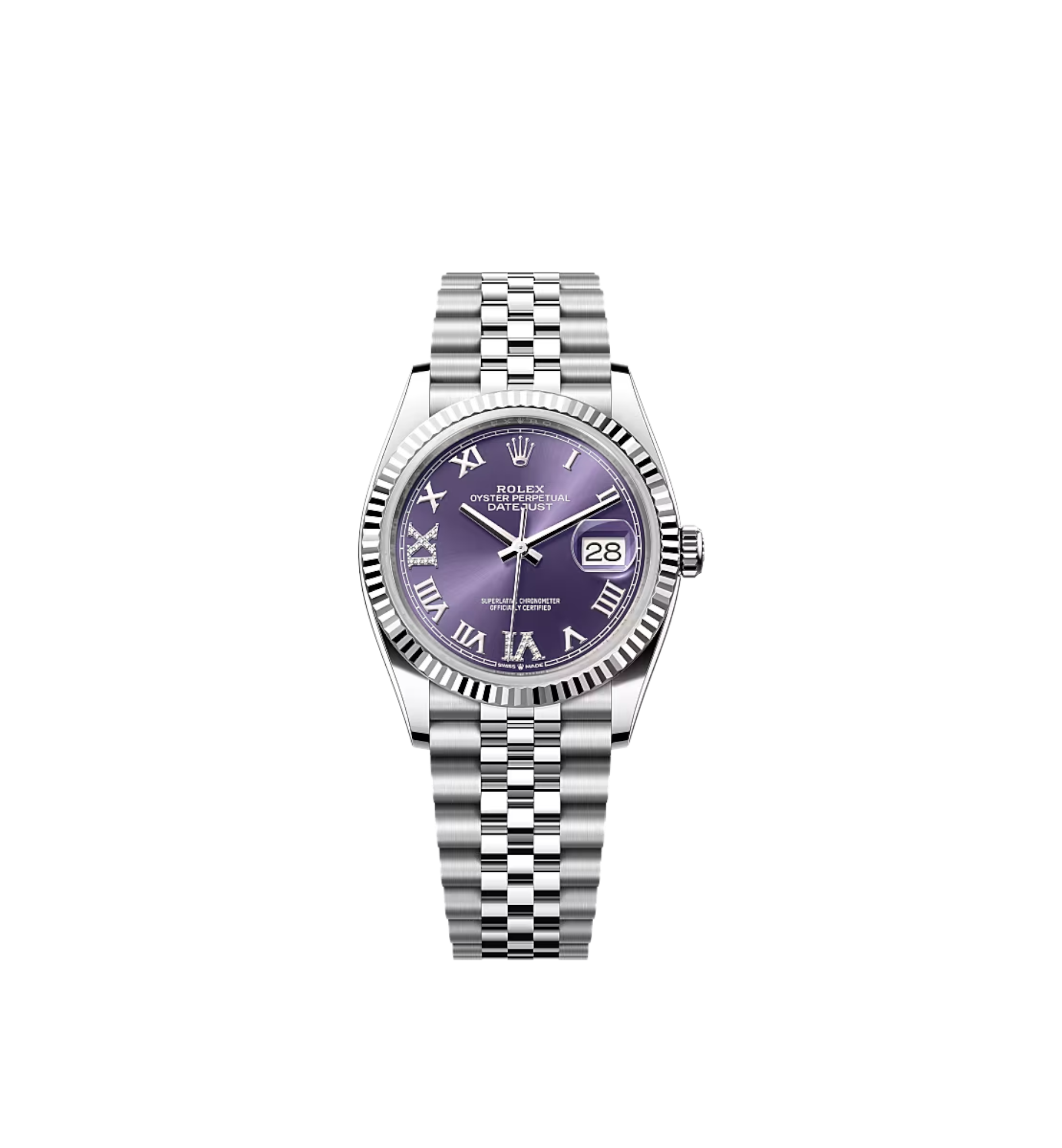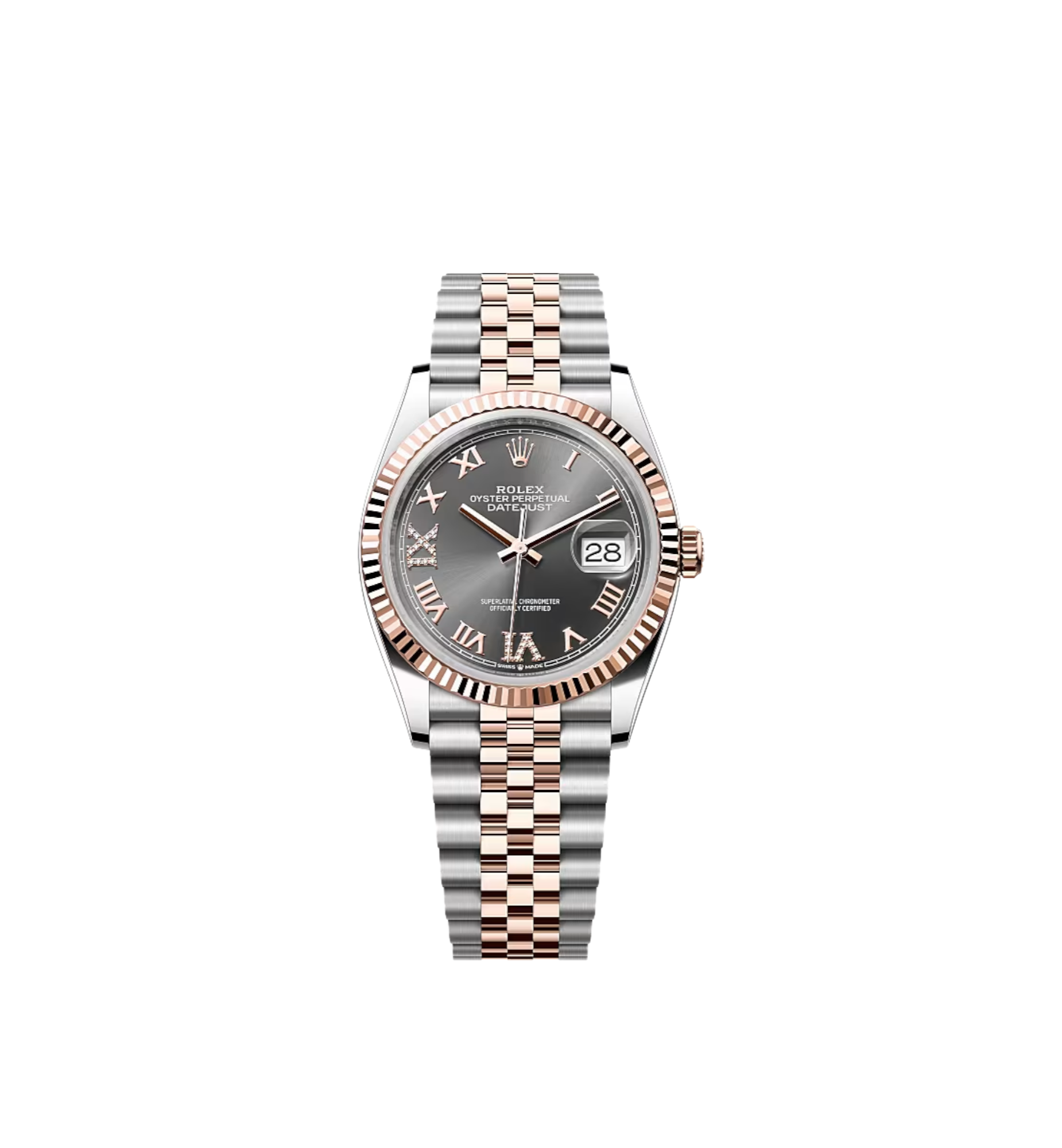


The Rolex Datejust comes in three sizes, and choosing the wrong one is the fastest way to regret a significant purchase. Too small and it disappears on your wrist. Too large and it looks like you borrowed your older sibling's watch. But get it right, and the Datejust becomes the perfect everyday watch you'll wear for decades.
The challenge is that watch sizing isn't just about measurements. A 36mm Datejust wears differently than a 36mm dive watch. Case shape, lug length, bezel design, bracelet proportions—all of these affect how a watch actually fits your wrist. And unlike trying on shoes where you know your size, most people have never measured their wrist or understood what those millimeters mean in practice.
This guide will help you choose the right Rolex Datejust size based on your wrist, your style, and how you plan to wear it. We'll cover the three current sizes—31mm, 36mm, and 41mm—what works for each, and the practical considerations that matter more than the numbers suggest.
Understanding Datejust Sizing
First, let's clarify what these numbers mean. The 31mm, 36mm, and 41mm measurements refer to the case diameter—the width of the watch case measured from one side to the other, not including the crown. But case diameter alone doesn't tell the whole story. Lug-to-lug distance (how long the watch is from top to bottom) matters more for actual wrist fit. A watch can have a reasonable diameter but long lugs that overhang smaller wrists, making it unwearable.
The Datejust benefits from Rolex's conservative lug design. Even the 41mm Datejust has relatively short lugs that curve to follow your wrist. This means the watches wear slightly smaller than their diameters suggest, which is good news for people worried about size. The question isn't whether these watches will physically fit—they will, for most people—but which size looks and feels right on you.
The Classic: Datejust 36mm
The 36mm Datejust is what most people mean when they say "Datejust." This size has been the standard since 1945, worn by everyone from presidents to artists, from CEOs to craftsmen. It's the size your grandfather might have worn, and it's the size modern watch enthusiasts are rediscovering after years of oversized trends.
Who Should Wear 36mm
The 36mm Datejust works for wrist sizes from about 6 to 7.5 inches, which covers most adults. It's genuinely unisex—equally popular with men and women. If your wrist measures 6.5 to 7 inches, the 36mm Datejust will look proportionally perfect. Smaller than 6.5 inches, it still works but might feel slightly large. Larger than 7.5 inches, it works fine but some people prefer the additional presence of the 41mm.
The 36mm is ideal if you want a watch that:
- Works under dress shirt cuffs easily
- Feels substantial without being bold
- Represents classic watch proportions
- Works equally well with formal and casual wear
- Won't look dated in 20 years
The 36mm Aesthetic
Here's what 36mm delivers aesthetically: elegance without trying. The size lets the dial breathe without overwhelming it. The proportions feel right in a way that's hard to articulate but obvious when you see it. The watch looks like a natural extension of your wrist rather than a statement piece sitting on top of it. If you value understated quality over obvious presence, 36mm is your size.
The 36mm also photographs beautifully. It doesn't dominate your wrist in photos, which means the focus stays on you rather than the watch. This matters more than you might think—a watch that constantly draws attention can become exhausting to wear.
Common Concerns About 36mm
The most common hesitation is "Will it look too small?" especially from people accustomed to 42mm+ sports watches. The answer depends on what you're comparing to and what you're wearing it with. Compared to a modern dive watch or chronograph, yes, 36mm is smaller. But compared to classic dress watches and vintage timepieces, 36mm is perfectly sized, even generous.
Try this: wear a 36mm for three days. The first day might feel small. The second day feels normal. By the third day, your 42mm watches suddenly feel comically oversized. The adjustment period is real but short. Most people who switch to 36mm wonder why they ever wore anything larger.
The Modern: Datejust 41mm
Rolex introduced the 41mm Datejust (originally as Datejust II at 41mm, later refined as Datejust 41) for people who found 36mm too small and wanted something closer to contemporary sports watch sizing. The 41mm Datejust is the same diameter as the current Submariner, so if you wear a Sub comfortably, the 41mm Datejust will feel familiar.
Who Should Wear 41mm
The 41mm Datejust works best for wrists measuring 7 inches and up. If your wrist is 7.5 inches or larger, the 41mm will fill out your wrist nicely without looking oversized. People under 7 inches can wear 41mm, but it starts to dominate smaller wrists. The watch isn't unwearable on smaller wrists, but the proportions shift from "watch on wrist" to "large watch on wrist."
Choose 41mm if you:
- Have larger wrists (7.5+ inches)
- Prefer modern watch proportions
- Currently wear 40-42mm watches comfortably
- Want maximum dial legibility
- Like watches with presence and visual impact
The 41mm Trade-offs
The 41mm Datejust provides more wrist presence and better legibility—the larger dial is easier to read at a glance. The watch makes more of a statement, which some people want and others don't. The trade-off is versatility. The 41mm works perfectly with casual wear and business casual. With formal wear (dark suits, tuxedos), it can feel slightly too large, slightly too sporty. Not wrong, just not quite as elegant as the 36mm.
The 41mm also sits taller on the wrist due to the larger movement and case. It's still thin enough to slide under most cuffs, but it's noticeably chunkier than the 36mm. If you wear dress shirts regularly and value that slim profile, the 36mm wins. If you prioritize presence and modernity, 41mm delivers.
The Refined: Datejust 31mm
The 31mm Datejust occupies interesting territory. Rolex markets it primarily toward women, but plenty of men wear it too—either because they have smaller wrists, prefer vintage proportions, or simply like how it looks. The 31mm is definitely smaller than modern trends, but it's not "too small" if it fits your wrist and aesthetic preferences.
Who Should Wear 31mm
The 31mm Datejust works beautifully for wrists under 6.5 inches. If your wrist measures 6 inches or less, the 31mm will look proportional and elegant where the 36mm might feel slightly large. The 31mm is also perfect for people who genuinely prefer smaller watches—vintage watch enthusiasts, people who value subtlety, anyone who finds modern watch sizes excessive.
The 31mm is ideal if you:
- Have wrists under 6.5 inches
- Prefer delicate, refined aesthetics
- Want a watch that stays completely under the radar
- Appreciate vintage watch proportions
- Value subtlety over presence
The 31mm Aesthetic
What 31mm delivers is refinement. The watch is delicate without being fragile, present without being obvious. It's elegant in a way that larger watches can't achieve—the proportions are just inherently dressier. The 31mm works particularly well with the fluted bezel and Jubilee bracelet, configurations that can look almost too formal on larger sizes but perfectly balanced here.
The 31mm Datejust is also increasingly popular as a second or third watch for collectors. People who already own 40mm+ sports watches often add a 31mm or 36mm Datejust for situations where those larger watches feel wrong—formal events, summer wear, international travel where you want something less attention-grabbing.
How to Actually Choose Your Size
Measure Your Wrist
First, measure your wrist circumference. Use a soft measuring tape or a piece of string you can measure afterward. Measure just above your wrist bone where you'd wear the watch. Don't pull tight—measure with the same snugness you'd wear a watch.
Here's the general guidance:
- Under 6 inches: 31mm is ideal, 36mm works
- 6 to 6.5 inches: 31mm or 36mm, both work well
- 6.5 to 7 inches: 36mm is perfect
- 7 to 7.5 inches: 36mm or 41mm, both work
- 7.5 inches and up: 41mm fits best, 36mm still works if you prefer classic sizing
Remember these are guidelines, not rules. Personal preference matters more than millimeters.
Consider Your Other Watches
What sizes do you currently wear comfortably? If you wear 40-42mm watches daily, the 41mm Datejust will feel natural. If you wear 38mm or smaller, the 36mm will feel right. If you're transitioning from smartwatches (typically 40-45mm), expect an adjustment period with any Datejust size.
Think About Your Wardrobe
How do you dress most days? If you wear suits and dress shirts regularly, the 36mm works better—it slides under cuffs easily and maintains that elegant profile. If you dress business casual or casual most days, the 41mm works perfectly and provides better presence with rolled sleeves and casual clothing.
Project Forward
Which size will you still love in 10 years? Watch size trends come and go. Oversized watches dominated the 2000s-2010s. Now smaller vintage-inspired sizes are trending back. The 36mm Datejust has looked right since 1945 and will look right in 2045. The 41mm is more current but might eventually feel dated as trends shift back toward smaller. The 31mm is classic and timeless for its intended wrist sizes.
The Reality of Trying Them On
All this advice is theoretical until you actually try the watches on. What looks right in photos or sounds right in descriptions might feel different on your wrist. The 36mm that looked "too small" online often looks perfect in person. The 41mm that seemed ideal based on wrist measurements might feel larger than expected in reality.
If possible, try all three sizes before buying. Wear each for a few minutes. Check them with your sleeves down (cuff clearance) and rolled up (visual proportions). Look at them from your own perspective, not in the mirror—you'll see your watch from above, not straight on. Take photos and look at them later when you're not in the moment.
Can't try them in person? At Konesseur in Dubai, our team can guide you through sizing based on your wrist measurements and style preferences. We've fitted countless Datejusts and know how each size works on different wrists.
Special Considerations
Men vs Women Sizing
The 31mm is marketed to women, the 41mm to men, and the 36mm as unisex. Ignore this marketing. Wear what fits your wrist and matches your style. Men with smaller wrists look better in 31mm or 36mm than forcing a 41mm. Women with larger wrists can absolutely rock a 41mm if that's their preference. Gender-based watch sizing is outdated—wear what works for you.
Bracelet vs Dial Color
The Jubilee bracelet adds visual width compared to the Oyster bracelet, making watches wear slightly larger perceptually. If you're between sizes, the Oyster bracelet on the larger size or Jubilee on the smaller size can help achieve the right look. Dark dials also read smaller than light dials—a 41mm Datejust with blue dial feels less large than the same watch with a white dial.
Bezel Considerations
The fluted bezel adds visual width, making watches appear slightly larger than smooth bezel versions. The fluted bezel's visual interest draws the eye, increasing perceived size. If you're worried about a size being too large, a smooth bezel helps. If you want maximum presence from a size, fluted bezel delivers.
Making the Final Decision
If you're still unsure after all this, here's the simple answer: when in doubt, go smaller. Oversized watches date faster and get annoying to wear. Properly sized watches age well and become more comfortable over time. The 36mm Datejust has been the right size for 70+ years. The 41mm is great if you're sure, but the 36mm is the safe choice.
Also consider that you can always add another Datejust later. Many collectors own multiple Datejusts in different sizes, wearing the 36mm for formal occasions and travel, the 41mm for casual weekend wear. The Datejust collection offers enough variety that having more than one makes sense if you fall in love with the model.
Frequently Asked Questions
Is 36mm too small for a man?
No. The 36mm Datejust was the standard men's watch size for 60+ years and was worn by presidents, executives, and style icons. "Too small" is a recent concept driven by oversized watch trends from the 2000s-2010s. The 36mm works beautifully for men, especially with wrists under 7.5 inches. Modern masculine fragility about watch size is marketing, not reality. Wear what fits your wrist properly.
Can women wear the 41mm Datejust?
Absolutely. If you have a wrist size of 7 inches or larger and like the presence of a bigger watch, the 41mm Datejust works perfectly. Watch sizing isn't gendered—it's about proportion. Some women have larger wrists than some men. Wear the size that fits your wrist and matches your style preferences. The 41mm on a woman with the right wrist size looks confident and modern, not oversized.
Which size holds value better?
The 36mm historically holds value best because it's the classic size with the broadest appeal. The 41mm is newer and less proven long-term but holds value well currently. The 31mm typically holds value well in women's market but has narrower resale appeal. For pure investment purposes, 36mm is safest. But buy the size that fits you—a watch you never wear because it's the wrong size has zero value to you.
Should I size up or size down if I'm between sizes?
Size down. Between 36mm and 41mm? Choose 36mm. Between 31mm and 36mm? Choose 31mm. Slightly too small looks elegant and refined. Slightly too large looks like you're wearing someone else's watch. The smaller size will also feel more comfortable long-term—oversized watches get annoying after the novelty wears off. Properly proportioned watches become invisible on your wrist in the best way.
Does the same size fit differently with different dials or bezels?
Perceptually, yes. Dark dials (black, blue) read smaller than light dials (silver, champagne). Fluted bezels add visual width compared to smooth bezels. The Jubilee bracelet makes watches appear slightly larger than the Oyster bracelet. These differences are subtle but real. If you're concerned about size, choose darker dial, smooth bezel, Oyster bracelet—this combination wears smallest. Want maximum presence? Light dial, fluted bezel, Jubilee bracelet.
Can I try different sizes before buying?
You should absolutely try different sizes before committing. At Konesseur Dubai, we encourage trying multiple sizes and configurations. We understand that the Datejust is a significant purchase and that getting the size right matters more than rushing the decision. Our team has extensive experience with Datejust sizing and can provide personalized guidance based on your wrist and preferences.
My wrist measures 7 inches exactly. Which size?
At exactly 7 inches, you're in the sweet spot where both 36mm and 41mm work well. This becomes a style preference question. Do you value classic elegance and versatility (36mm) or modern presence and legibility (41mm)? Try both if possible. If you can't, consider your wardrobe: mostly suits and formal wear → 36mm. Mostly casual and business casual → 41mm. Still uncertain? 36mm is the safer choice that you'll never regret.
 Same Day Delivery