



Royal Oak vs Patek Nautilus: Which Should You Buy in Dubai?
There is a conversation that happens at a certain point in a watch collector's life. You have looked seriously at the landscape. You understand what separates a real collection from a wallet full of watches. And you have arrived at a fork in the road with only two directions: Audemars Piguet or Patek Philippe. The Royal Oak or the Nautilus. Angular rebellion or curved refinement. Genta's overnight sketch that saved a company or Genta's five-minute napkin drawing that refined an entire category.
Both watches were drawn by the same man, launched within four years of each other during the same crisis, and went on to define what luxury watchmaking means to the rest of the world. They are not competitors in the traditional sense. They occupy adjacent positions at the very top of the watch world and they answer different versions of the same question. The question is not which is better. The question is which one is yours.
At Konesseur, both collections are available now in Dubai. We are not here to tell you one is superior. We are here to give you the clearest possible account of what separates them so that when you make this decision, you make it with full information. That is the only way to make it correctly.
The Same Genius, Two Very Different Visions
In January 1972, Audemars Piguet's management made a desperate phone call. The Swiss watch industry was disintegrating under pressure from affordable Japanese quartz movements, and AP needed something that had never existed: a stainless steel sports watch priced above solid gold dress watches. They called Gérald Genta, the most gifted watch designer of his generation, on the eve of the Basel watch fair and asked him to produce a concept by morning. He sketched the Royal Oak overnight, drawing inspiration from a diver's porthole helmet: an octagonal bezel locked by eight hexagonal screws, an integrated bracelet that flowed without a joint from the case, a guilloché "tapisserie" dial that caught light like the surface of a watch that cost ten times more. When AP presented it at Basel priced at 3,300 Swiss francs, more than a gold Patek Philippe at the time, the industry was confused. Collectors eventually understood. The Royal Oak did not just save Audemars Piguet. It invented an entirely new category of watch.
Patek Philippe watched this unfold. In 1976, they commissioned Genta to create their own answer to the luxury sports watch. The story is that he designed the Nautilus in roughly five minutes on a hotel restaurant napkin. Whether that is perfectly accurate or slightly mythologised, the design speaks to a specific certainty: someone who had already solved the problem once could solve it again faster. The Nautilus took the porthole motif Genta had used for the Royal Oak's bezel and made it the entire case architecture. Where the Royal Oak had hard angles and exposed screws, the Nautilus had curves, hinged lugs, and horizontal embossed lines across the dial. Where the Royal Oak declared its presence emphatically, the Nautilus made its case quietly. Patek Philippe's version of a sports watch would be impeccably dressed even in steel.
Both watches were designed by the same man, for two brands that had never made sports watches before. One became the louder icon. The other became the quieter one. Neither conceded anything.
The Design Argument: What You Actually See on the Wrist
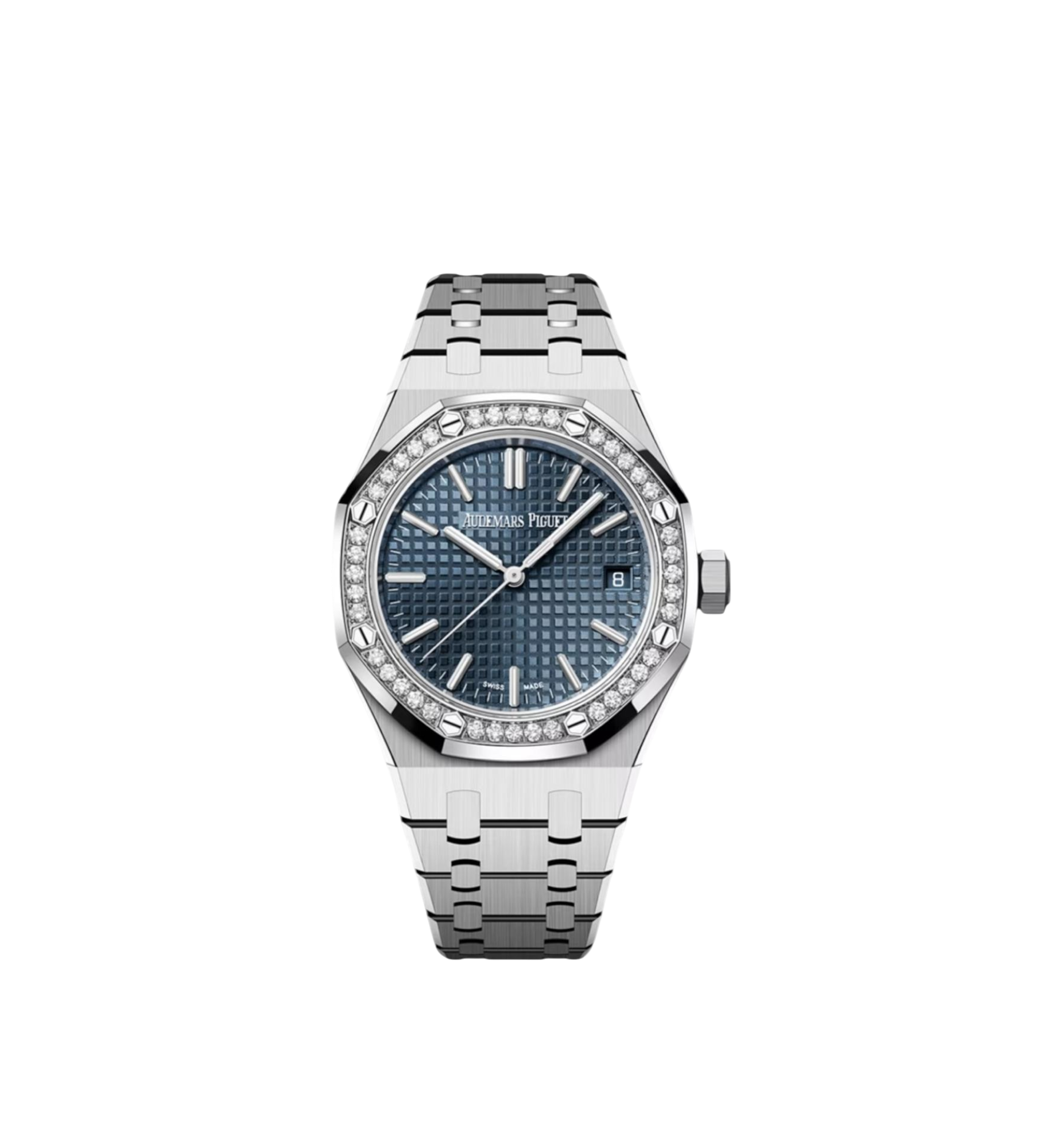
Put a Royal Oak next to a Nautilus and the difference is immediate. The Royal Oak is all geometry: the octagon announces itself, the screws are structural features not concealed fasteners, and the bracelet integrates with the case in a way that makes the entire object feel like a single engineered piece rather than a watch with a strap attached. The Grande Tapisserie dial, with its chequerboard relief pattern, gives the surface a depth that changes completely in different lighting conditions. In morning sunlight it shimmers. In a dim restaurant it holds its character through texture alone. There is nothing soft about the Royal Oak. It is sharp, architectural, and entirely deliberate.
The Nautilus operates differently. Its rounded octagonal case flows into the lugs through hinged connections that allow the case to move with the wrist rather than sitting rigidly against it. The horizontal embossed lines on the dial create a subtler texture than the Royal Oak's tapisserie pattern, and the blue sunburst effect on the current references produces a gradient that shifts from rich blue at the centre to near-black at the edges. The Nautilus is a watch that reveals itself slowly. Collectors who have worn both frequently describe the Nautilus as the watch that receives the most compliments from people who cannot immediately identify what they are looking at, while the Royal Oak is recognised instantly by anyone who knows watches. That distinction matters depending on what you want your watch to say.
Size is worth addressing separately. The current Royal Oak range at Konesseur runs from 34mm in the Royal Oak Selfwinding to 44mm in the Offshore Schumacher. The Nautilus 5811/1G sits at 41mm in white gold. Neither watch wears to its stated dimensions: the Royal Oak's integrated bracelet and flat profile make it feel smaller and more refined than its case size suggests, while the Nautilus's case curvature and comfortable lug articulation give it a presence that outlasts its measurements. Both are watches that need to be tried on a real wrist before any conclusion is reached.
The Movement Question: Does the Inside Matter?
Both watches house movements that would do credit to any manufacture in the world. But they approach movement philosophy differently, and that difference reflects the broader character of each brand.
Audemars Piguet built their reputation on complication and technical courage. The Royal Oak Calibre 3120 in the standard selfwinding model runs at 21,600 vibrations per hour with a 60-hour power reserve, and the movement is finished to the standard you would expect from a manufacture that has been producing complicated watches since 1875. More significantly, AP's movement ambition in the Royal Oak has produced the RD#3: a selfwinding flying tourbillon engineered to fit within the extra-thin Royal Oak case profile, requiring new patents and new manufacturing processes to achieve. The two RD#3 references in the current Konesseur collection at AED 697,000 and AED 734,000 represent the outer edge of what AP can do inside their most important case.
Patek Philippe's approach to movement is rooted in what they call the Patek Philippe Seal: a proprietary quality standard that governs finishing, accuracy, and long-term serviceability to a specification the Geneva Seal alone does not require. The Calibre 26-330 S C in the current Nautilus 5811/1G runs at 28,800 vibrations per hour with a 45-hour power reserve, and it features a stop-seconds mechanism for precise time-setting that the collector community considers a mark of genuine caliber quality. The movement is visible through a sapphire caseback decorated in Côtes de Genève with a 21-carat gold rotor. For Patek Philippe, the movement is not just a power source. It is the argument for everything the watch costs.
If you are primarily a movement collector, Patek Philippe's overall catalogue depth in high complication is unmatched by any manufacture on earth. Nine of the ten most expensive watches ever sold at auction are Patek Philippe pieces, and nearly all of them reached those prices through movement complexity. The Patek Philippe collection at Konesseur includes references beyond the Nautilus that demonstrate what the manufacture can do at the highest level. For collectors who want technical ambition expressed within the Royal Oak's iconic architecture, the RD#3 references answer that question definitively.
Value on the Secondary Market: What the Data Actually Shows
Both watches have exceptional secondary market track records. Understanding how they differ requires distinguishing between value retention and value appreciation, because the two behave differently across the collections.
Patek Philippe's Nautilus has produced some of the most dramatic appreciation events in watch collecting history. The stainless steel 5711/1A-010, discontinued in 2021 after AP's partner Tiffany and Co commissioned a final special edition, regularly trades between AED 460,000 and AED 580,000 on the secondary market for a watch whose retail price was a fraction of that. The Tiffany blue dial version from that final run sold at Phillips auction in 2021 for the equivalent of over AED 22 million. These are not typical outcomes, but they illustrate the structural scarcity that makes Patek Philippe's most sought-after references behave differently from almost any other watch brand. The current 5811/1G in white gold has appreciated 14.7 percent in the past year, outperforming the broader market index by 7.4 percent.
Audemars Piguet's Royal Oak has an equally strong but somewhat different secondary market story. The steel references, particularly the 15202 Jumbo Extra-Thin and the 15500 Selfwinding, have maintained consistent premiums above retail for years. Limited edition Offshore references, including Schumacher collaborations and anniversary pieces, frequently trade above their original prices as production numbers become clear. The Royal Oak's collector value is most concentrated in steel references and limited editions, whereas Patek Philippe's value strength extends more broadly across the entire Nautilus family and into the wider manufacture catalogue.
The structural difference between the two brands on the secondary market reflects their production philosophies. AP produces approximately 40,000 to 50,000 watches per year across the full catalogue. Patek Philippe produces roughly 60,000 to 70,000, with strict allocation policies that mean most desirable references are functionally unavailable at retail regardless of price. When a watch cannot be bought at retail, its secondary market price becomes the real price and premium compression stops happening. That is the foundation of the Nautilus secondary market.
Buying in Dubai: The Numbers That Matter
Dubai occupies a specific and favourable position in the global watch market. The UAE applies zero import duty on watches and a 5 percent VAT rate, compared to 20 percent VAT in the United Kingdom, similar rates across the European Union, and import duties that compound the effective cost further in several other markets. On a watch priced at AED 600,000, the difference between buying in Dubai and buying in London is not a rounding error. It is a meaningful saving that reshapes the acquisition calculus entirely.
Beyond the tax structure, Dubai has built one of the most mature luxury watch markets outside of Geneva and Hong Kong. Serious collectors, sophisticated buyers, and a rotating population of high-net-worth visitors have produced an environment where authenticated luxury watches at genuine market prices are available without the waiting lists and allocation games that define the authorised dealer experience in most other cities.
At Konesseur, the Royal Oak collection spans AED 147,000 for the 34mm Selfwinding in stainless steel to AED 734,000 for the Royal Oak Selfwinding Flying Tourbillon Extra-Thin RD#3. The Patek Philippe collection includes the Nautilus 5811/1G in white gold alongside Aquanaut, Complications, and Calatrava references. Every piece has been authenticated to the manufacture's specification before entering the collection. The process for both houses is the same: reference verification, movement confirmation, bracelet integrity, serial documentation, and dial condition. At these price points, authentication is not a courtesy. It is the basis of the transaction.
The Collector's Honest Question: Royal Oak or Nautilus?
Most articles at this point will avoid giving you a direct answer. This one will try to do better than that.
The Royal Oak is the right watch if you want a piece with visual authority. It makes its presence clear. The octagon and the screws and the tapisserie dial are not quiet details. They are declarations. The Royal Oak is also the right watch if you want range: the same fundamental architecture scales from 34mm to 44mm, from steel to white gold, from three hands to flying tourbillon, in a way that allows you to start with one reference and build a coherent collection around a single design vocabulary. And the Royal Oak is the right watch if you want the object that started everything. It did not follow the Nautilus. It came first, and the entire category of luxury sports watchmaking exists because of it.
The Nautilus is the right watch if you want depth of restraint. It is a watch that wears better the longer you own it, that reveals more the more closely you look at it, and that carries Patek Philippe's 185-year heritage in a way that the Royal Oak, for all its significance, cannot claim. The Nautilus is also the right watch if secondary market performance is part of your consideration: Patek Philippe's production discipline and global collector demand have produced a secondary market trajectory that no other watch brand consistently matches. The 5811/1G in white gold has no equivalent in steel at retail, which means buying one now at market price is not a compromise. It is the only way to own the current Nautilus.
If you are building a serious collection rather than acquiring a single centrepiece, the answer to "Royal Oak or Nautilus" is increasingly "both, in the right order." Many of the most considered collections in the Dubai market contain examples of each, positioned differently within the wardrobe: the Royal Oak for days when presence matters, the Nautilus for days when understatement is the right register. The two watches do not cancel each other out. They complete different roles.
If this is your first acquisition at this level, our suggestion is to try both on a real wrist before deciding. Both collections are available at Konesseur in Dubai and we make no commission on steering you toward one over the other. What we do have is both watches, authenticated, at market prices, available today. You can also explore the broader watch collection at Konesseur to understand how the Royal Oak and Nautilus sit within the wider landscape of serious watchmaking, alongside Richard Mille, Vacheron Constantin, Rolex, and beyond.
Frequently Asked Questions
Is the Royal Oak or the Nautilus a better investment?
Both have strong secondary market track records. Patek Philippe's Nautilus has produced more dramatic appreciation events, particularly with the discontinued 5711/1A-010, and the current 5811/1G appreciated 14.7 percent in the past year. The Royal Oak maintains strong secondary market premiums on steel references and limited editions, particularly Offshore collaborations and anniversary pieces. For consistent value appreciation across an entire manufacture catalogue, Patek Philippe has the stronger historical record. For specific references with collector premium, the Royal Oak's limited edition Offshore family performs exceptionally. Neither watch should be acquired purely as a financial instrument. Both deliver genuine ownership pleasure, and that is the real return.
How much does a Royal Oak cost in Dubai in 2026?
In the Konesseur collection, Royal Oak prices range from AED 147,000 for the 34mm Selfwinding in stainless steel to AED 734,000 for the Royal Oak Selfwinding Flying Tourbillon Extra-Thin RD#3. Royal Oak Offshore references are priced from AED 150,000 to AED 240,000. The Royal Oak Mini Frosted Gold in rose gold is AED 330,000 and the white gold Selfwinding Chronograph is AED 624,000. Dubai's 5 percent VAT and zero import duty on watches make Royal Oak prices here more competitive than in most European markets. See the full Royal Oak collection at Konesseur for current availability.
How much does a Patek Philippe Nautilus cost in Dubai in 2026?
The Nautilus 5811/1G in white gold is the current men's Nautilus reference and is available in the Patek Philippe collection at Konesseur now. Nautilus pricing reflects current secondary market levels, as retail availability through authorised dealers involves multi-year waiting lists for most buyers. The discontinued stainless steel 5711/1A-010 trades between AED 460,000 and AED 580,000 on the secondary market. Dubai's tax structure, which applies no import duty and 5 percent VAT, makes the city one of the most cost-effective locations globally to acquire a Nautilus at market price.
What is the main difference between the Royal Oak and the Nautilus?
Design language is the clearest difference. The Royal Oak is angular, geometric, and visually assertive. The octagonal bezel with exposed screws and the Grande Tapisserie dial are recognisable from across a room. The Nautilus is curved, flowing, and more quietly refined. Its porthole-inspired case curves into hinged lugs, and its horizontally embossed dial is subtler in texture and tone. Beyond aesthetics, both watches house movements of equivalent finishing quality. The more significant difference is brand philosophy: Audemars Piguet's identity is largely built around the Royal Oak, while Patek Philippe's identity extends well beyond the Nautilus into the deepest complication catalogue in watchmaking.
Which watch should a first-time buyer at this level choose?
Try both on a real wrist before deciding. The Royal Oak and the Nautilus wear differently, read differently in different contexts, and suit different collecting approaches. If you want visual authority and a broad range of references to build from, the Royal Oak is a natural entry. If you want the quieter, more historically complex route into serious collecting at the highest level, the Nautilus is correct. Both are available now at Konesseur in Dubai. Our team at the boutique on Al Wasl Road is available to show you both in person.
Can I sell my Royal Oak or Nautilus through Konesseur?
Yes. We actively acquire both Royal Oak and Nautilus references on an ongoing basis and are particularly interested in well-documented pieces in excellent condition. The sell with us page is the right starting point. International sellers should consult our shipping page for guidance on sending pieces for assessment.
Share
Royal Oak
 Same Day Delivery
 Same Day Delivery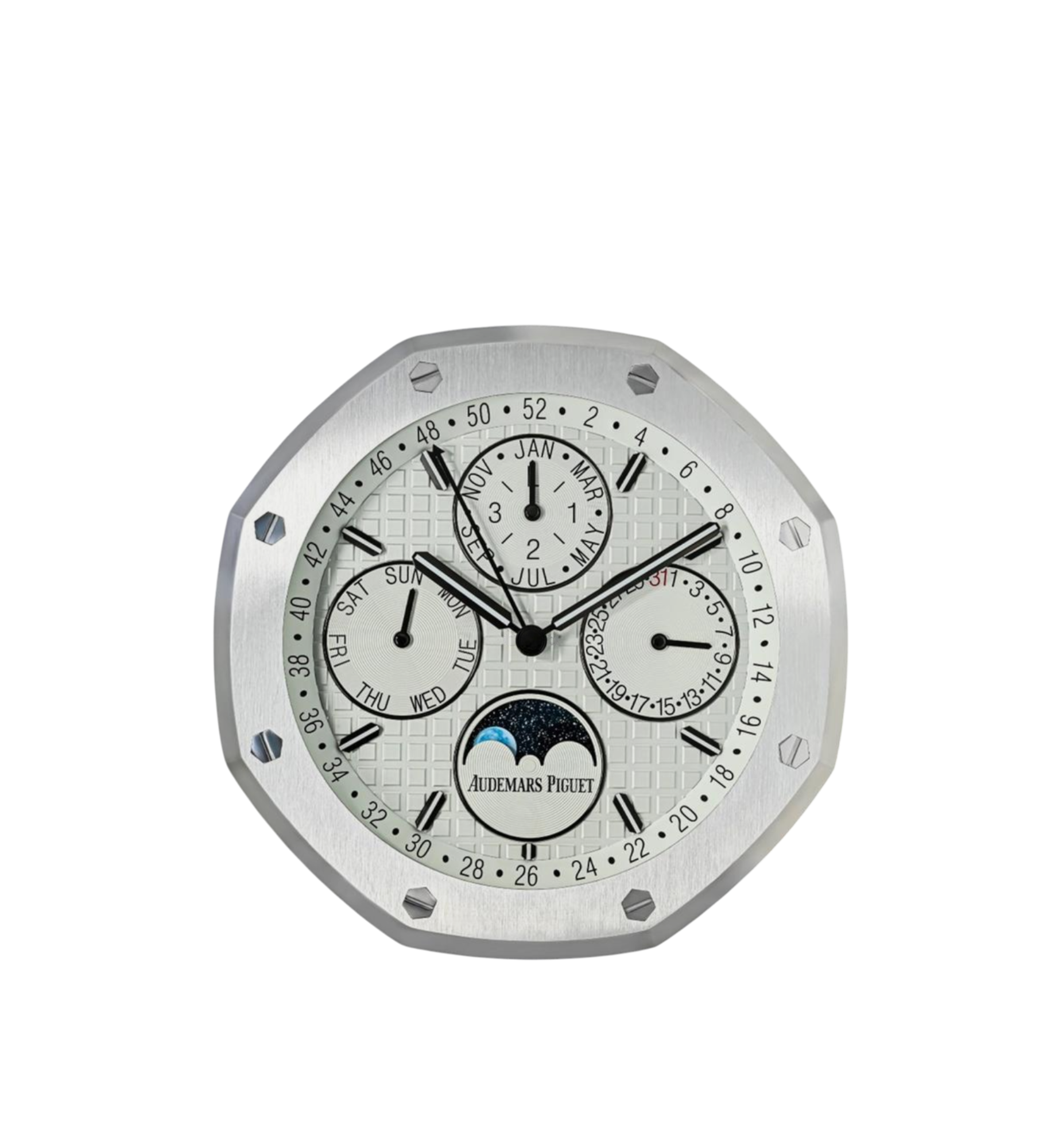
 Same Day Delivery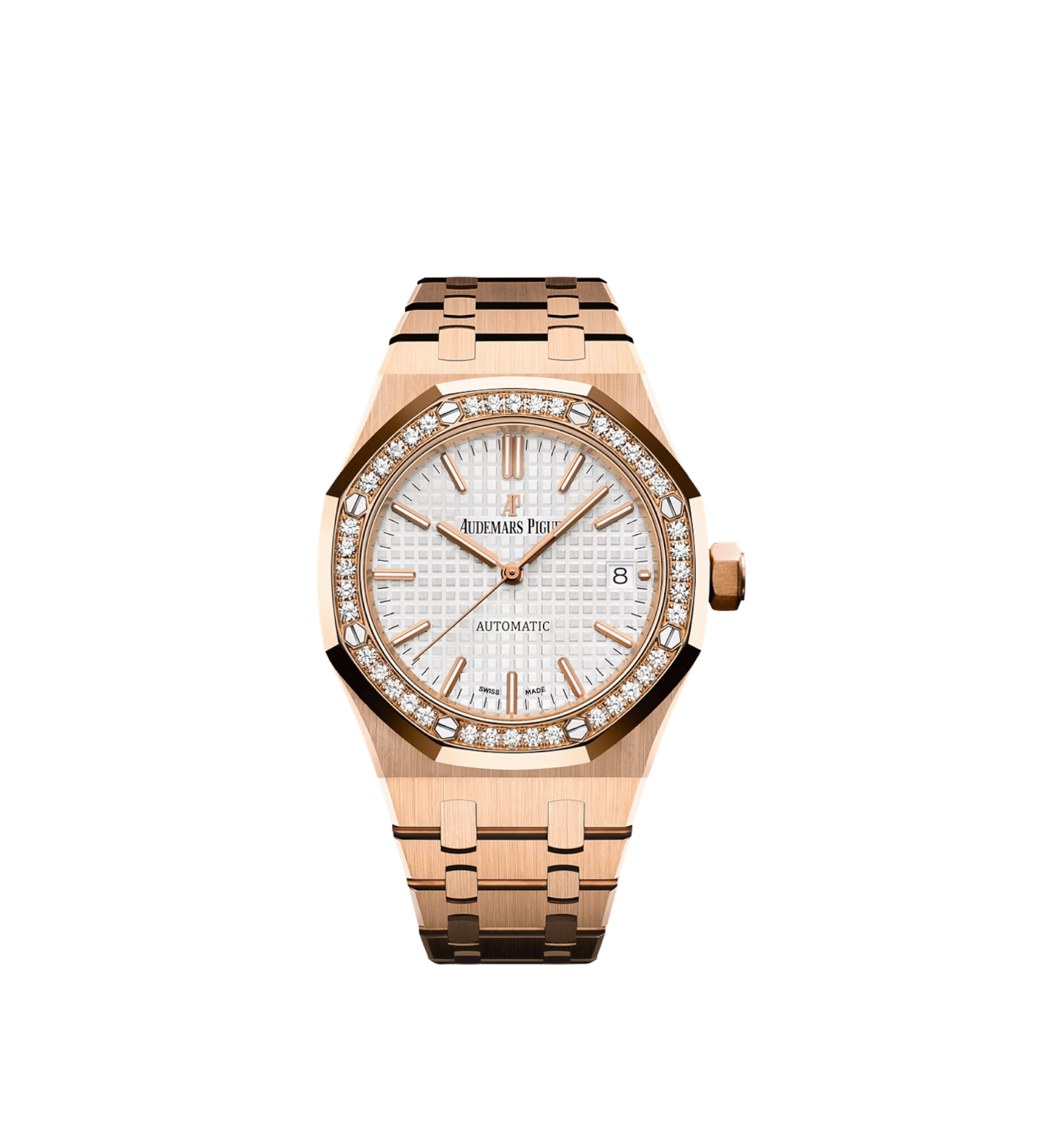
 Same Day Delivery
 Same Day Delivery
 Same Day Delivery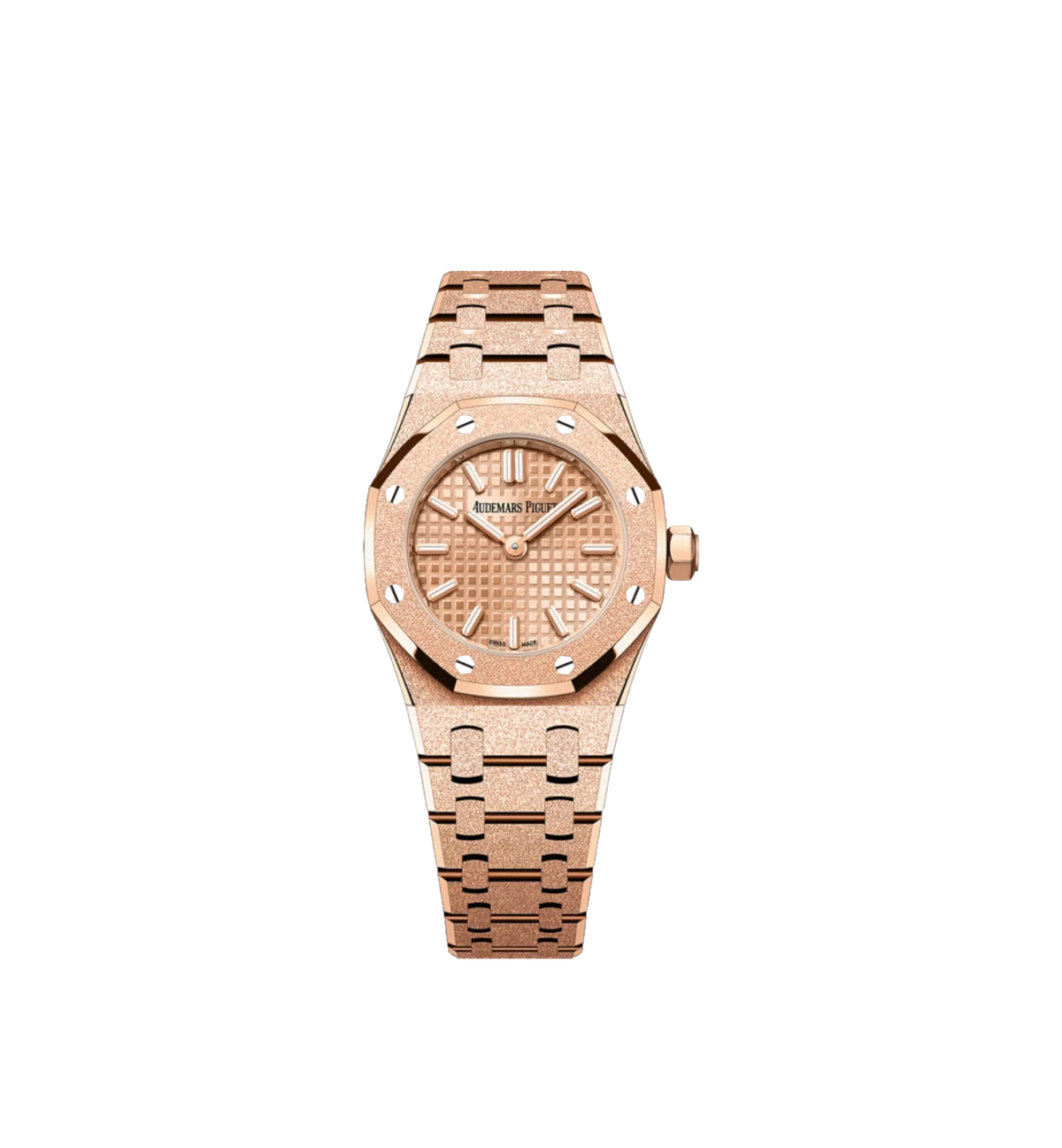
 Same Day Delivery