



Luxury Watch Brands Explained: The Tiers of Swiss Watchmaking
Two watches sit side by side. Both are Swiss. Both tell the time to within a few seconds a day. One costs AED 8,000 and the other costs AED 800,000. Nothing about looking at them from across a table explains that gap, and it is the single most confusing thing about buying a serious watch for the first time.
The reason is that the industry has a hierarchy. It is not printed anywhere official, and enthusiasts argue about the edges of it endlessly, but it is real and everyone inside the business understands it. Once you can see it, the pricing stops looking arbitrary and choosing between luxury watches becomes a far simpler decision. This guide explains what actually separates the tiers, where the major houses sit, and what any of it means for what you should buy.
What Actually Separates the Tiers
Before naming any brands, it helps to understand the five things that genuinely decide where a house sits. Almost every price difference in watchmaking traces back to some combination of these.
Who makes the movement. This is the biggest one. A movement is the mechanical engine inside the watch, and there is an enormous difference between a brand that buys a reliable off the shelf movement from a supplier and drops it into a case, and a brand that designs, manufactures, and assembles its own. The second is called an in-house or manufacture movement, and it requires an entire engineering operation to pull off. It is expensive, difficult, and it is the clearest dividing line in the industry.
Finishing. Finishing is the decoration and refinement applied to the movement and case, and it is where the money quietly goes. At the top end this means hand bevelled edges on the movement bridges, polished internal angles that a machine physically cannot produce, striping, circular graining, and mirror polished screw heads. Almost none of it is visible on the wrist. It exists because the people who make these watches, and the people who buy them, care that it is there. A high finished movement can take a skilled watchmaker weeks of work that a machine finished movement does not require at all.
Production volume. Scarcity is structural rather than accidental. Some houses produce watches in the hundreds of thousands each year. Others produce a few thousand, and the smallest independents produce a few dozen. Lower volume means a higher cost per watch and, usually, a stronger secondary market, because demand simply outruns what exists.
Complications. A complication is any function beyond telling the hours, minutes, and seconds. A date is a simple one. A perpetual calendar that knows the length of every month including leap years, a minute repeater that chimes the time on demand, or a tourbillon that rotates the escapement to counter gravity are enormously difficult. The tourbillon shows how long an idea can last here: it was patented by Abraham-Louis Breguet in 1801, and two centuries on, the ability to build one properly still marks a house out, which is why Breguet watches remain a reference point for collectors.
Heritage. Not marketing heritage, but real continuity: how long the house has been making watches without interruption, what it invented, and whether the wider industry still relies on those inventions. Vacheron Constantin watches trace back to 1755, a credential no amount of spending can manufacture. This is why some names carry weight that a newer brand cannot buy at any price.
The Tiers of Swiss Watchmaking
With those five factors in mind, here is how the market generally breaks down. Treat this as the widely understood shape of the industry rather than an official classification, because the boundaries are debated and some houses sit across more than one tier depending on the model.
| Tier | What Defines It | Typical Movement |
|---|---|---|
| Fashion watches | Designer name licensed onto a watch. Sold on branding, not watchmaking | Quartz or basic sourced |
| Entry luxury | Real Swiss watchmaking at an accessible price. Solid quality, modest finishing | Usually sourced, sometimes modified |
| Core luxury | The heart of the market. Strong in-house capability, serious brand equity | Largely in-house |
| High luxury | Prestige houses. Deep heritage, refined finishing, complications | In-house, high finished |
| Haute horlogerie | The summit. Hand finishing, grand complications, tiny production | In-house, hand finished |
Fashion Watches
These carry a fashion or lifestyle brand name and are usually made under licence by a third party manufacturer. They can look attractive and there is nothing wrong with owning one, but they are not luxury watches in any meaningful sense. The name on the dial belongs to a company whose business is clothing or accessories, and the watch itself is a licensing exercise. They depreciate almost immediately and have no secondary market to speak of.
Entry Luxury
This is where real Swiss watchmaking starts. Houses in this tier build well made, durable watches using reliable movements, often sourced from specialist suppliers and sometimes modified in-house. Finishing is functional rather than decorative, but the watches are properly engineered and built to last decades.
Tudor is the most interesting example. It was founded by Hans Wilsdorf, the same man who founded Rolex, specifically to offer that same durability at a more accessible price. It has spent the last decade developing its own movements and building a serious reputation among collectors, and it is currently one of the most talked about names in watchmaking. Browse Tudor watches to see where the tier begins.
Core Luxury
This is the centre of gravity of the entire market, and it is where most people buy. These houses combine genuine in-house manufacturing capability with enormous brand recognition and, critically, strong secondary market performance.
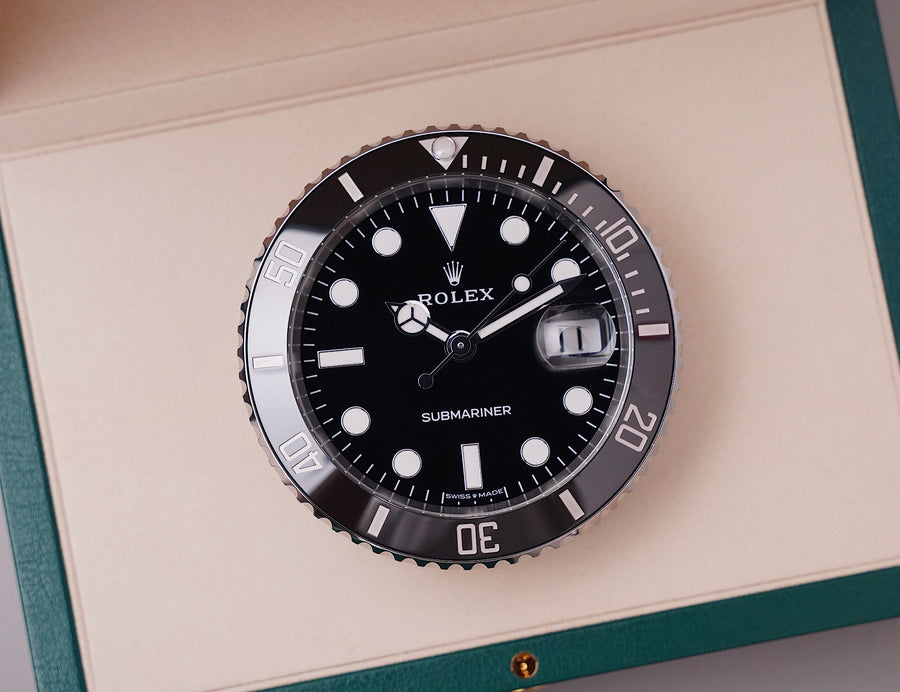
Rolex sits here and dominates it. Its movements are made entirely in-house, its quality control is famously severe, and its production runs to roughly a million watches a year, which is vast by luxury standards yet still nowhere near enough to meet demand for its steel sport models. That gap between what it makes and what people want is the single biggest force in the modern market. Browse Rolex watches.
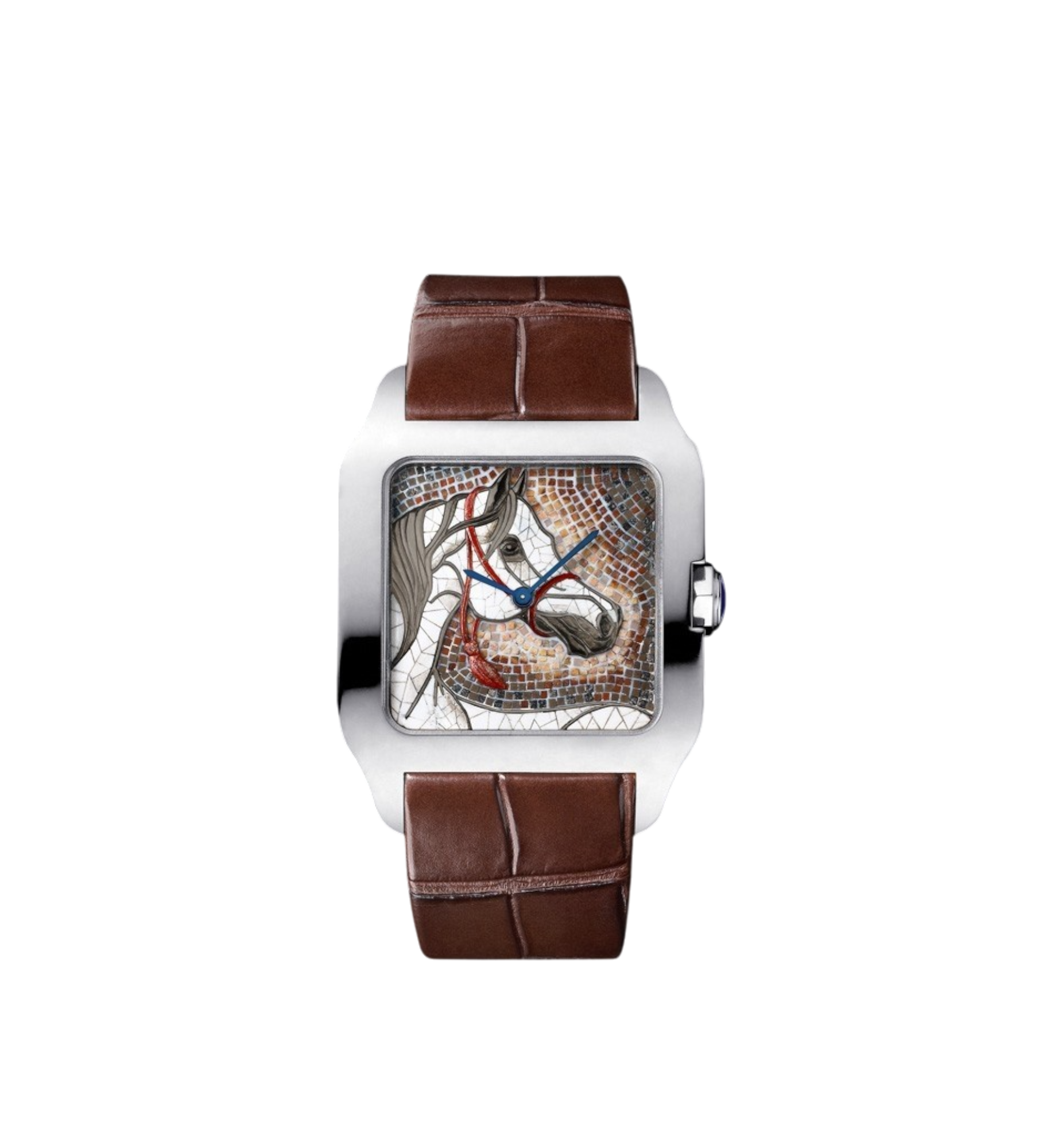
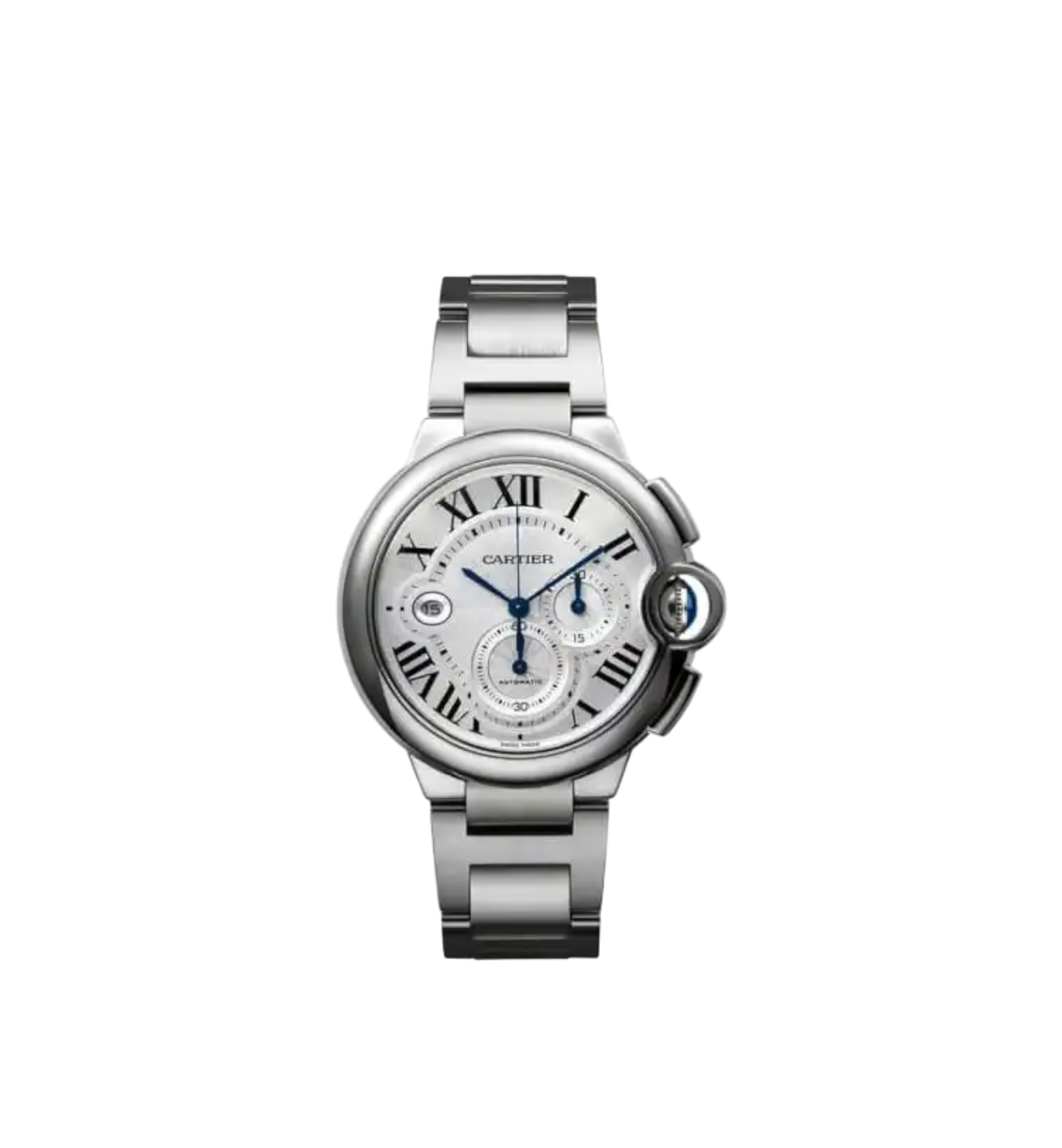
Cartier occupies an unusual and powerful position in this tier, because it arrived at watchmaking from jewellery rather than the other way around. That is why its watches are shaped rather than round: the Tank, the Santos, the Panthère. It is one of the very few houses whose designs are recognised instantly by people with no interest in watchmaking at all. Browse Cartier watches.
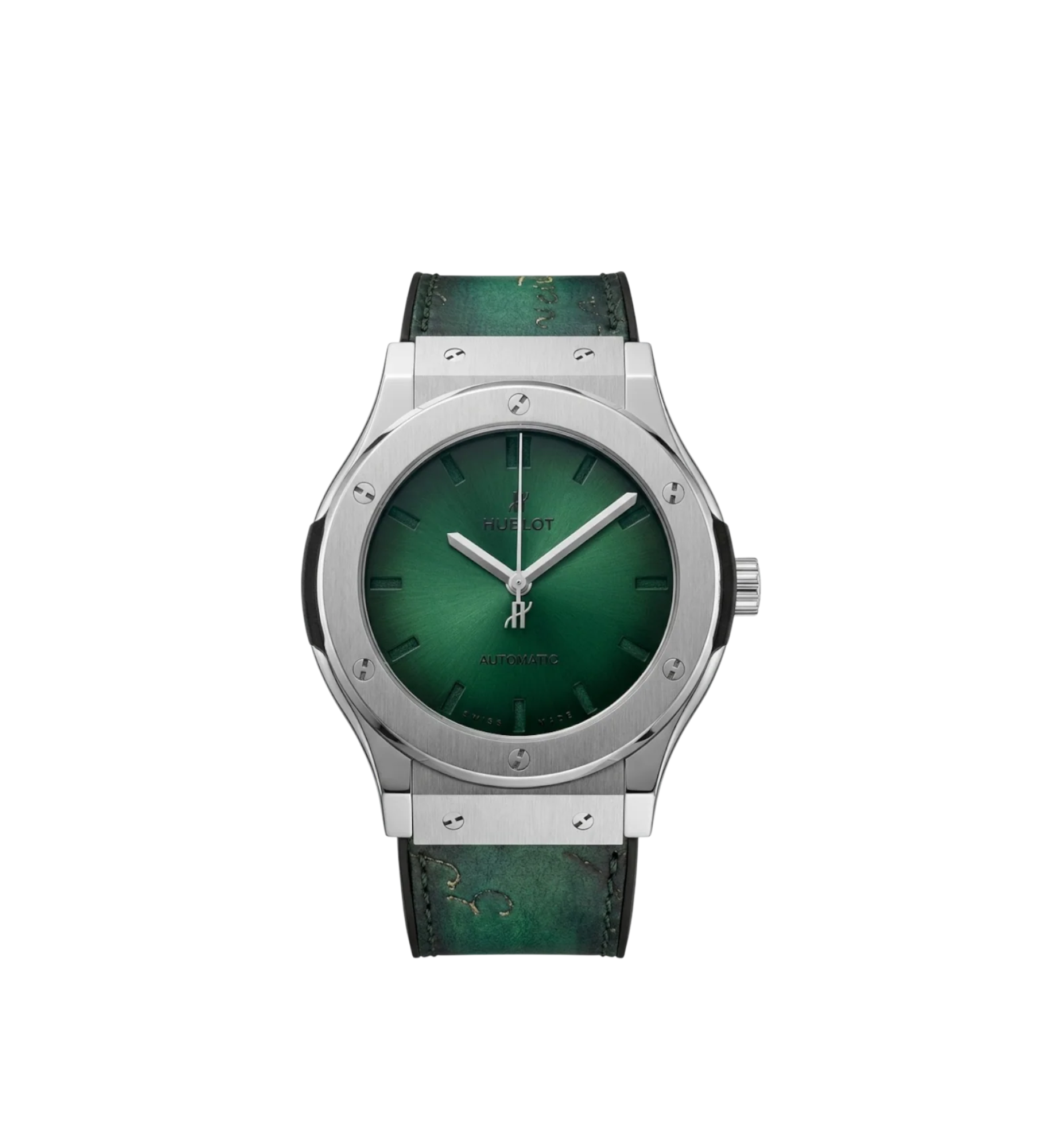
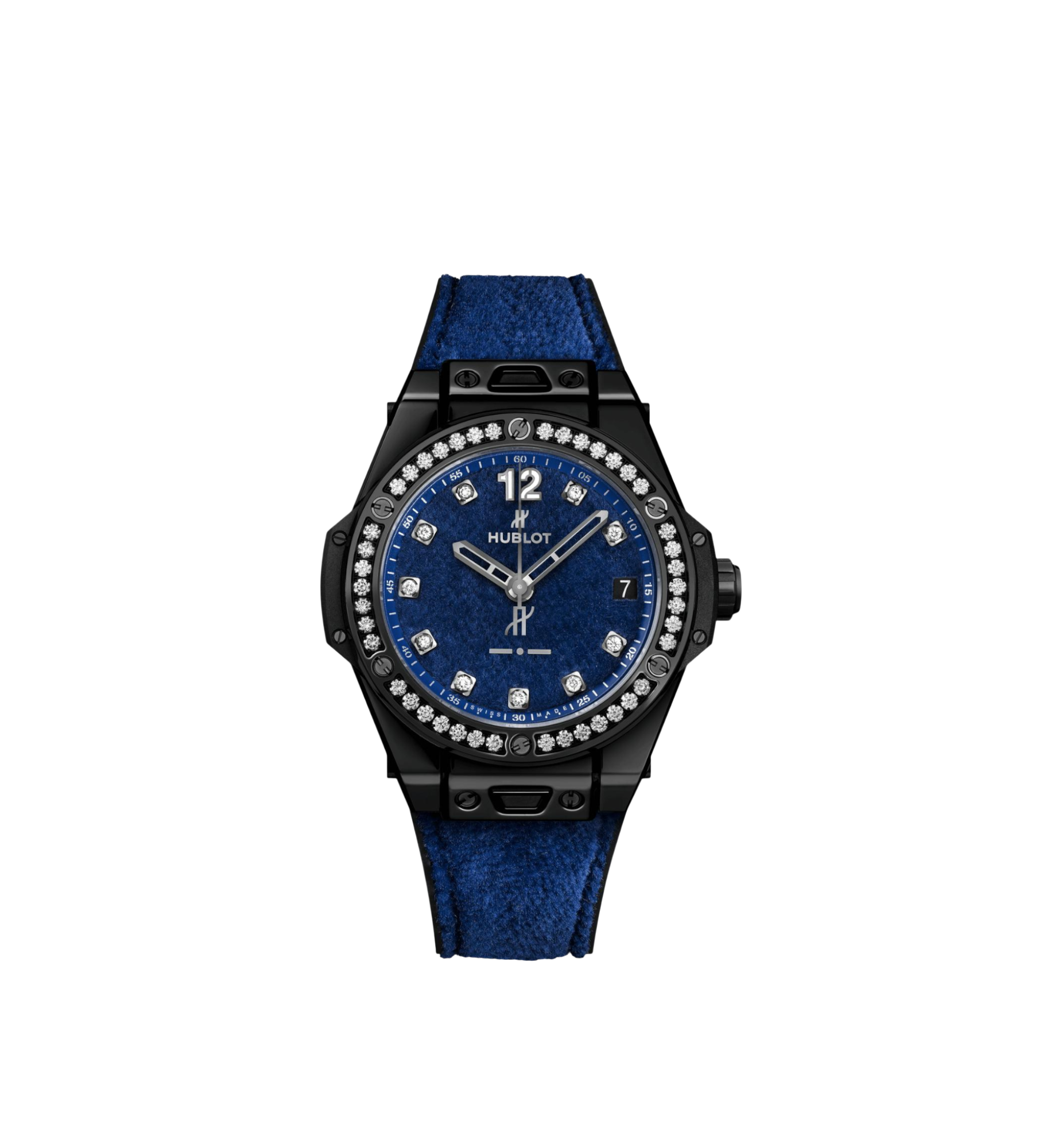
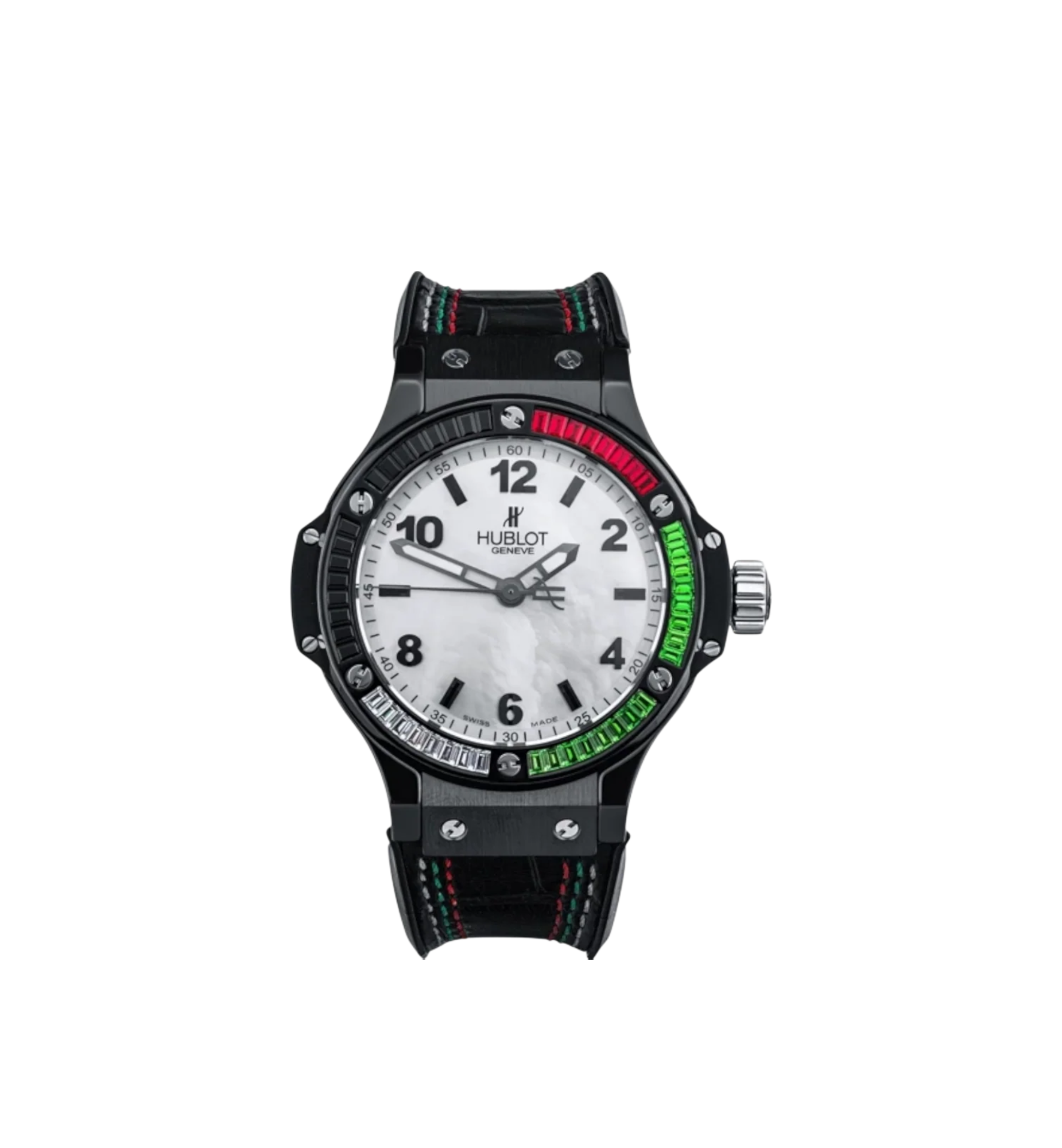
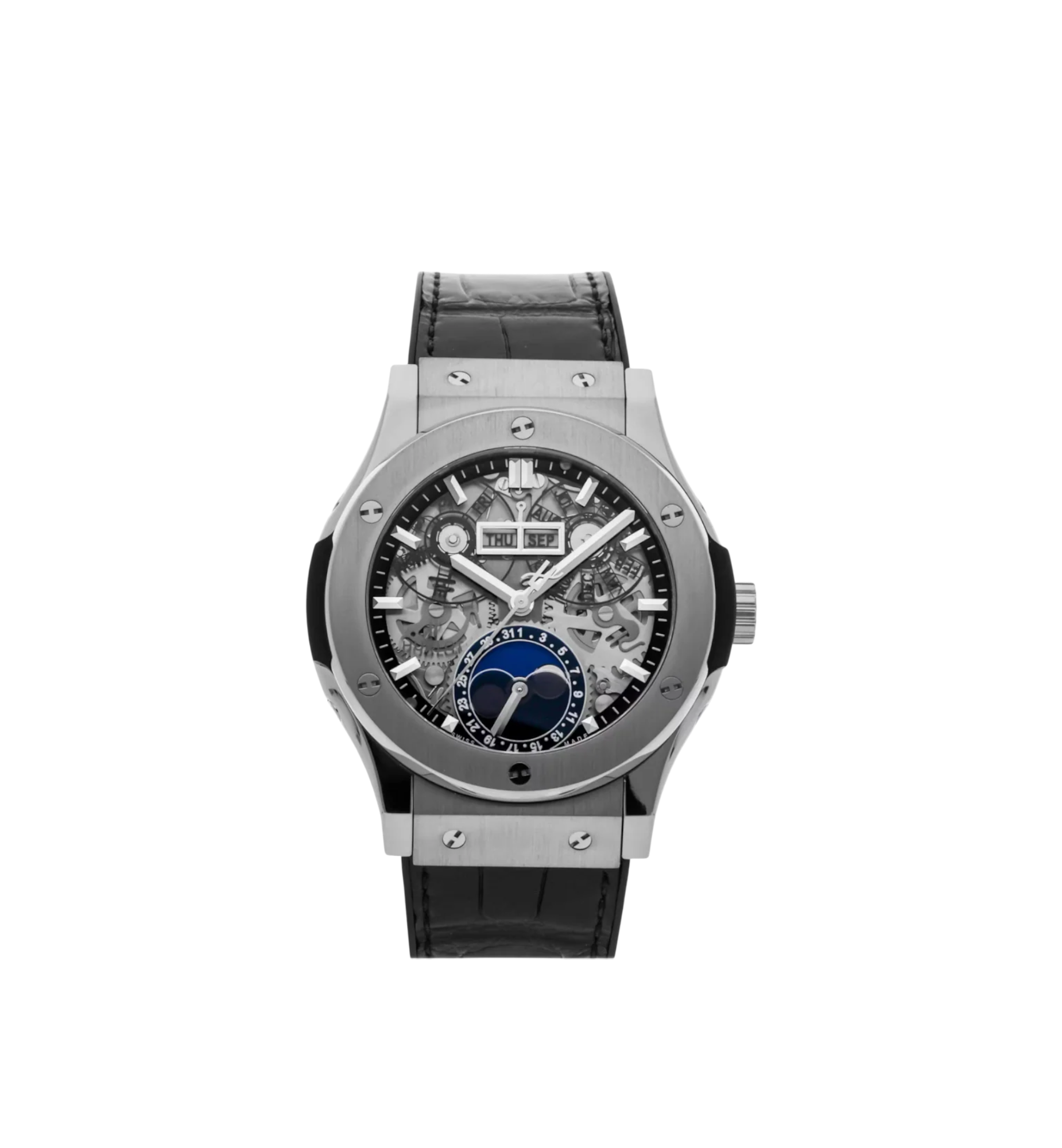
Hublot took the opposite route, building its identity on material innovation and bold, architectural cases rather than centuries of tradition, and it has a committed following as a result. If you are weighing up the two main lines, the Big Bang versus Classic Fusion comparison covers the differences, and you can see current pieces in the Hublot collection.
Franck Muller belongs in the same conversation, known for the curved Cintrée Curvex case and a heavily complication-led approach that sets it apart from the more restrained houses. The Franck Muller buying guide goes through the range, and current stock sits in the Franck Muller collection.
High Luxury and the Holy Trinity
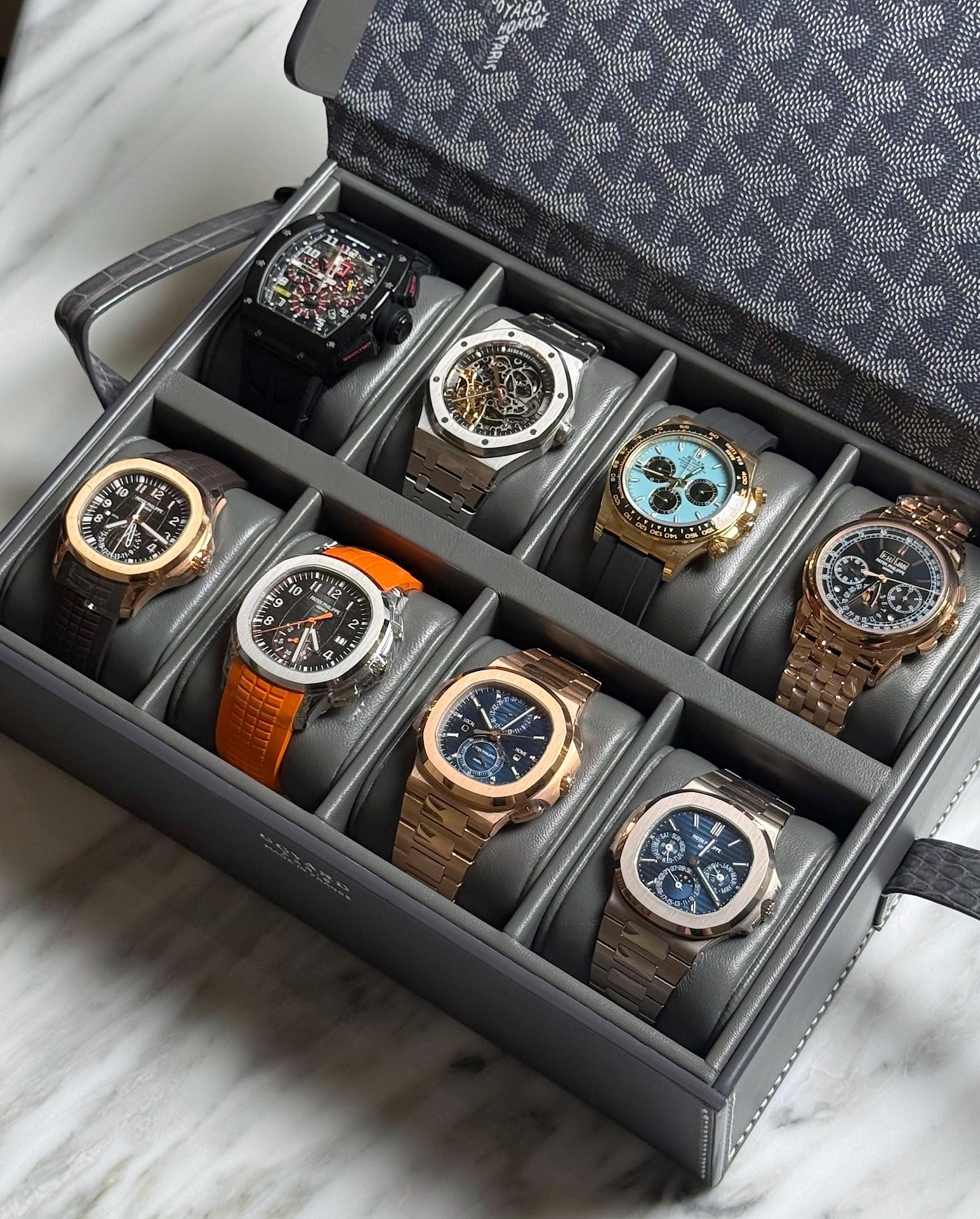
Above core luxury sit the prestige houses, and three of them are grouped together so consistently that collectors simply call them the Holy Trinity: Patek Philippe, Audemars Piguet, and Vacheron Constantin.
What they share is the full package. All three make their own movements, finish them to a standard the tiers below do not attempt, produce complications at the highest level, and carry heritage measured in centuries. All three also produce a small fraction of Rolex's annual output, which is why waiting lists exist and why their steel sport models trade so far above retail.
Patek Philippe is usually placed at the summit of the three, on the strength of its complications, its finishing, and its extraordinary auction record. Browse Patek Philippe watches. Audemars Piguet transformed the industry in 1972 with the Royal Oak, the watch that created luxury steel as a category at all, and you can see the current range in the Audemars Piguet collection. Vacheron Constantin is the quiet one, often described as the connoisseur's choice precisely because it markets itself least. For a direct comparison of all three, read the Holy Trinity guide.
Breguet belongs in this conversation too, and arguably above it on historical grounds. Beyond the tourbillon, Abraham-Louis Breguet gave the industry the overcoil balance spring, and the hands and numerals that other houses still use and still name after him. Very few brands can claim to have invented the things their competitors depend on, which the complete Breguet guide covers in full.
Haute Horlogerie and the Independents
Haute horlogerie translates as high watchmaking, and it describes the very top of the craft: movements finished by hand, grand complications, and production measured in dozens or low hundreds rather than thousands. Prices start where high luxury ends and climb without any real ceiling.
Richard Mille is the most visible modern example, built on advanced case materials, skeletonised architecture, and deliberate scarcity, and it reached the top of the market in a couple of decades rather than a couple of centuries. Explore Richard Mille watches.
Bovet represents the other route entirely. Founded in 1822, it produces tiny numbers of extravagantly hand finished and hand engraved watches, and it is about as far from mass production as the industry gets. Explore Bovet watches.
What Swiss Made Actually Means
Swiss Made is a legally protected label rather than a marketing phrase, and there are real requirements behind it covering where the movement is assembled, where the watch is finally inspected, and what proportion of the production cost is generated in Switzerland. It is a meaningful floor.
What it is not is a measure of quality within the luxury tiers. Everything from an accessible Swiss watch to a hand finished grand complication carries the same label. Swiss Made tells you the watch was genuinely made in Switzerland to a regulated standard. It tells you nothing about which of the tiers above it belongs to.
Which Tier Should You Buy?
The useful question is not which tier is best, but which one matches what you want from a watch.
If this is your first mechanical watch and you want to find out whether you enjoy owning one, entry luxury is the sensible starting point, and Tudor watches are the obvious candidate. If you want one excellent watch that works for every occasion, holds its value, and is recognised anywhere in the world, core luxury is where the vast majority of buyers land and where most of them stay, with Rolex watches the most common answer of all.
If you have owned several watches already and have started caring about movement finishing and complications rather than the badge on the dial, high luxury is the natural next step. And if you are collecting rather than simply buying, haute horlogerie is where that road eventually leads.
One thing worth saying plainly: a higher tier is not automatically a better purchase. A Rolex Datejust worn every day for thirty years is a more successful watch than a grand complication that sits in a safe because its owner is afraid to wear it. Buy the tier that fits the life you actually live.
Buying Across the Tiers in Dubai
Dubai is one of the strongest markets in the world for this category, and the reason is structural. The UAE charges 5 percent VAT against 20 percent in the UK and 19 to 25 percent across most of Europe. On an entry luxury watch that is a pleasant saving. On a high luxury or haute horlogerie piece it runs well into six figures.
The pre-owned market matters more as you move up the tiers, because the houses at the top produce so little. For the Holy Trinity in particular, and for Rolex steel sport models, the secondary market is not the cheaper option but very often the only realistic route to the watch at all.
Browse the full range of luxury watches across every tier, with each piece verified through our authentication process and available to view in person at the Box Park boutique.
A Few Common Questions
What are the tiers of luxury watch brands?
The industry is generally understood in five broad tiers. Fashion watches are licensed designer names rather than real watchmaking. Entry luxury covers accessible Swiss houses using reliable sourced movements. Core luxury is the heart of the market, including Rolex and Cartier, with strong in-house capability and brand recognition. High luxury covers prestige houses like Patek Philippe, Audemars Piguet, Vacheron Constantin, and Breguet. Haute horlogerie is the summit, with hand finished movements, grand complications, and very small production.
What is the Holy Trinity of watch brands?
The Holy Trinity refers to Patek Philippe, Audemars Piguet, and Vacheron Constantin. All three make their own movements, finish them to the highest standards, produce grand complications, and carry centuries of heritage, with Vacheron Constantin tracing its origins to 1755. They produce a small fraction of Rolex's annual output, which is why their sport models command such long waiting lists and strong secondary market prices.
What makes a luxury watch expensive?
Five things drive the price. Whether the movement is made in-house or sourced from a supplier, how the movement is finished and whether that finishing is done by hand, how many watches the house produces each year, the difficulty of any complications, and the depth of the brand's genuine heritage. Materials matter far less than most people assume, which is why a steel watch from a top house can cost more than a gold watch from a lesser one.
What is an in-house movement and why does it matter?
An in-house or manufacture movement is designed, manufactured, and assembled by the watch brand itself rather than bought from a specialist supplier and fitted into the case. It requires an entire engineering and production operation, which is expensive and difficult to build, and it is the clearest dividing line between the tiers of the industry. It generally signals a higher level of watchmaking capability and contributes significantly to the price.
Does Swiss Made mean a watch is high quality?
Swiss Made is a legally protected label with real requirements covering where the movement is assembled, where the watch is inspected, and what share of production cost is generated in Switzerland. It is a meaningful minimum standard, but it does not indicate which tier a watch belongs to. Accessible Swiss watches and hand finished grand complications carry exactly the same label.
What is haute horlogerie?
Haute horlogerie means high watchmaking and describes the very top of the craft: movements finished by hand, grand complications such as perpetual calendars, minute repeaters, and tourbillons, and production measured in dozens or low hundreds of watches rather than thousands. Houses like Richard Mille and Bovet operate at this level, where prices begin where high luxury ends.
Which luxury watch brand should I buy first?
For most first time buyers, core luxury is the right place to start, since these watches are versatile, widely recognised, and hold their value well. Entry luxury makes sense if you want to find out whether you enjoy owning a mechanical watch before committing more. High luxury and haute horlogerie suit buyers who have owned several watches and have started caring about movement finishing and complications rather than the name on the dial.
Where can I buy luxury watches in Dubai?
The luxury watches collection covers every tier from entry luxury to haute horlogerie, with each piece verified through our authentication process and available to view in person at the Box Park boutique. The UAE's 5 percent VAT is also a significant advantage compared with 20 percent in the UK and 19 to 25 percent across Europe, and the difference grows with the value of the watch.
Share
Luxury Watches
 Same Day Delivery
 Same Day Delivery
 Same Day Delivery
 Same Day Delivery
 Same Day Delivery
 Same Day Delivery
 Same Day Delivery
 Same Day Delivery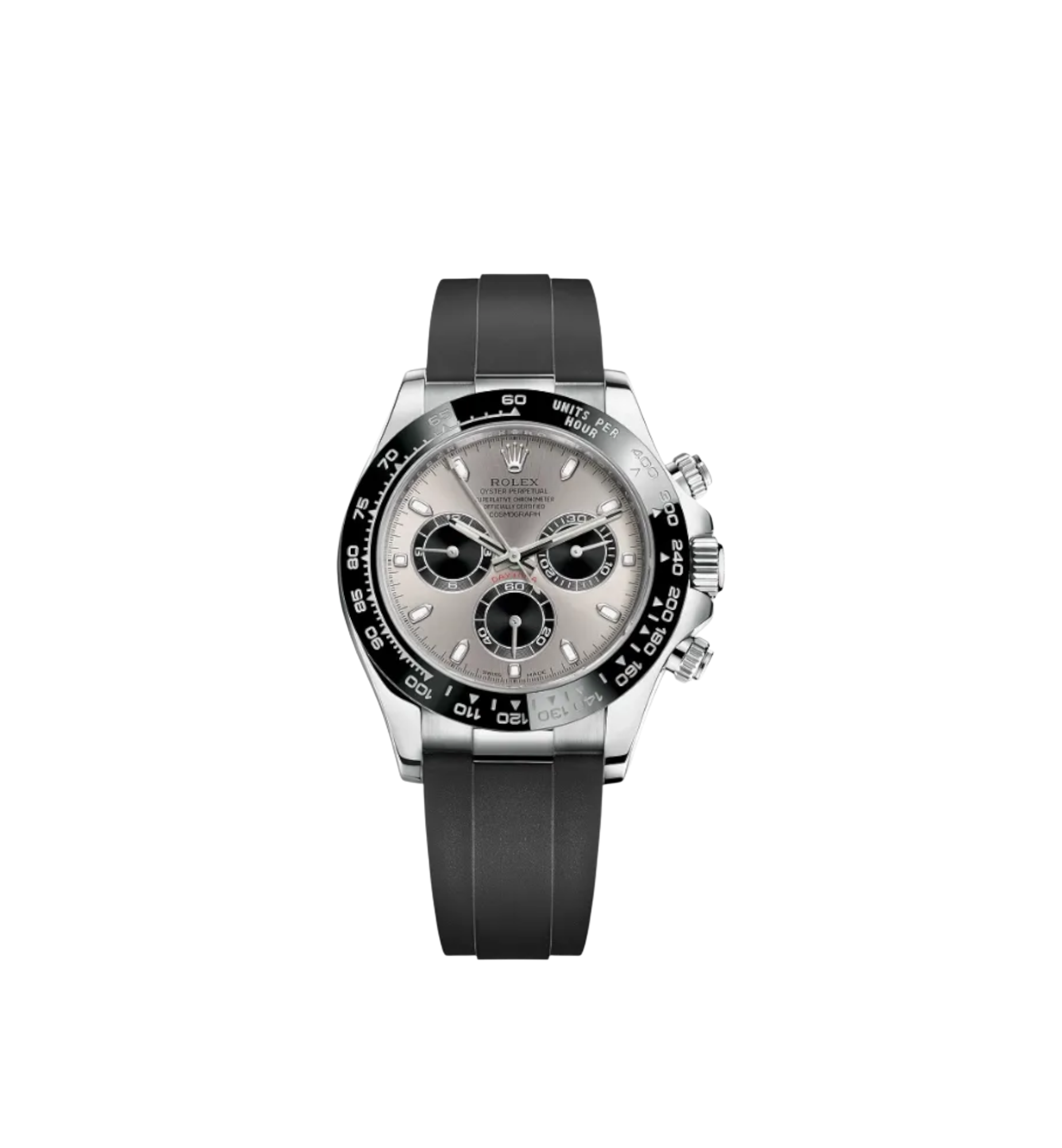
Read more
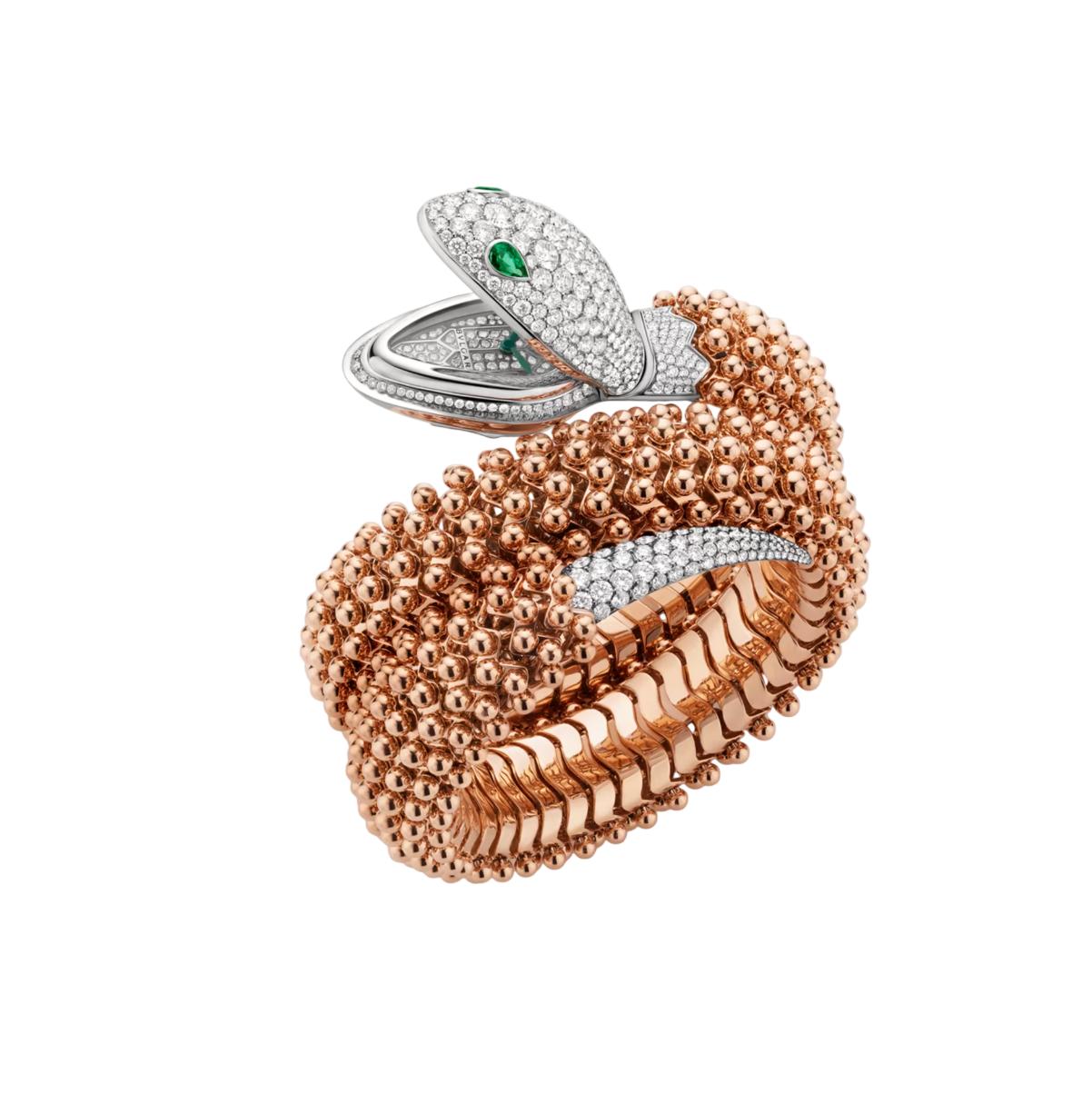
Bulgari Serpenti Watch: The Complete Guide
Most luxury watches are watches first. The Bvlgari Serpenti is not. It is a snake that coils around the wrist, and somewhere in that coil, if you look, there is a way to tell the time. That inversi...
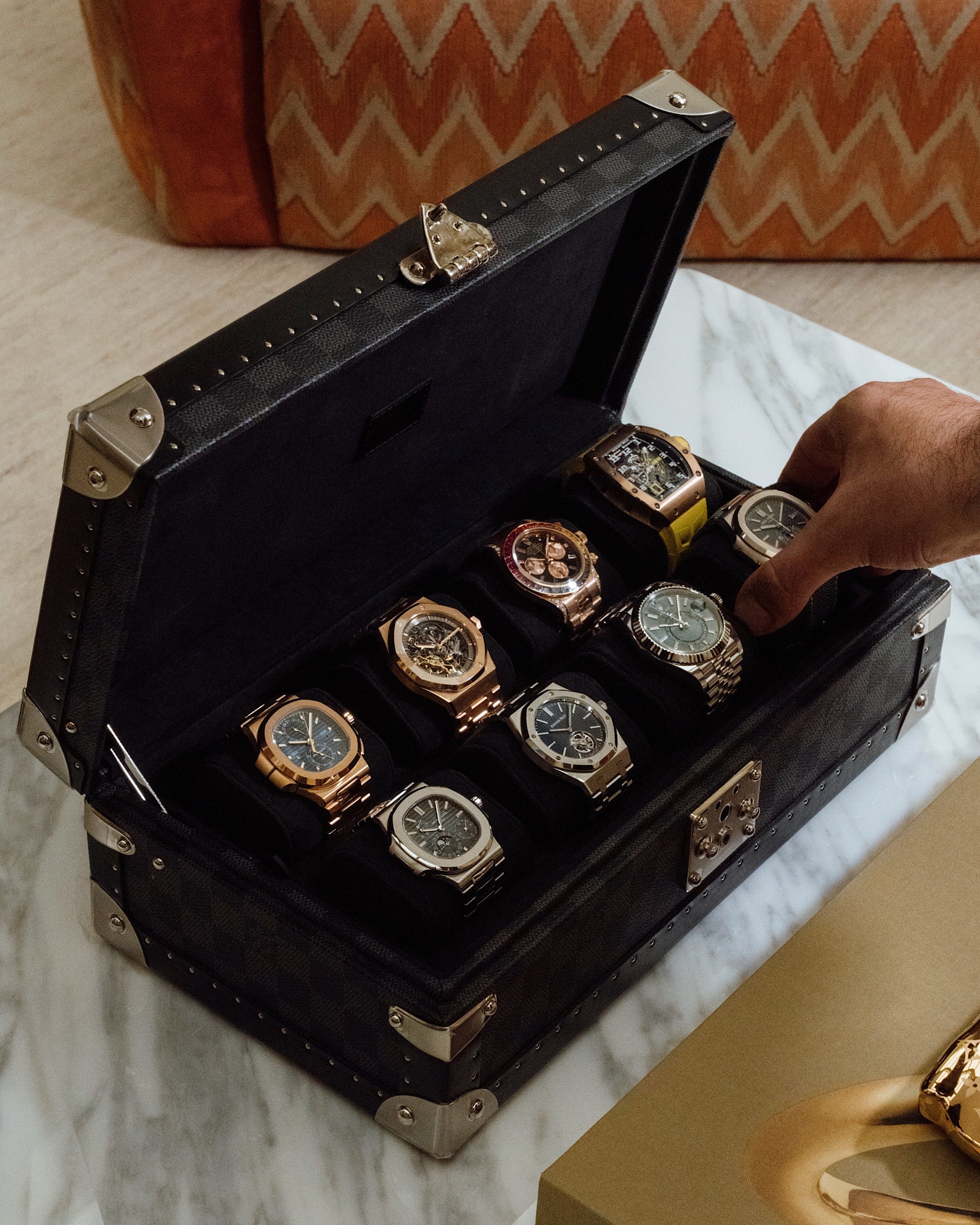
The Watches Worn by the World's Most Powerful People
A watch is the one piece of jewellery a powerful person can wear without anyone questioning it. It is functional, understated, and personal, which is exactly why the watches worn at the great mome...