


The 5 Luxury Purchases That Changed My Life
I remember the exact moment. I was 26, standing in a watch store in Dubai Mall, looking at a Cartier Santos through the glass. I had saved for months. My palms were sweating. The price was more than I had ever spent on a single object in my life. And a voice in the back of my head was saying: "This is ridiculous. It is just a watch. You could put this money toward a hundred more sensible things."
I bought it anyway. That was nine years ago. The watch is on my wrist as I write this. It still makes me feel something every morning when I strap it on. And in the years since, I have learned that the voice in my head was both right and wrong. It was right that luxury is never the "sensible" choice. It was wrong about why that matters.
These are the five luxury purchases that changed how I think about quality, about money, and honestly, about who I am. Not the five most expensive things I own. The five that taught me something I carry with me to this day.
Purchase 1: The Cartier Santos de Cartier (My First Luxury Watch)
I did not grow up around luxury. Nobody in my family wore a watch that cost more than a few hundred dirhams. When I started earning real money in my mid twenties, I did what most people do: I bought things. Clothes, electronics, gadgets. All of it lost value the moment I opened the box. All of it ended up in a drawer within two years.
The Santos was different. I chose it because I read that it was one of the first wristwatches ever made, designed in 1904 for a pilot who needed to tell time without releasing his aircraft controls. That story felt real to me. This was not a marketing creation. It was a solution to a real problem, made by a real craftsman, for a real person. And 120 years later, you could still feel that intention in the design.
What it taught me: the best luxury is not about showing people what you can afford. It is about owning something that was made with a purpose beyond decoration. The Santos was built so a man could fly. That purpose lives in the design. Every time I look at it, I see engineering and ambition, not a price tag.
If you are thinking about your first luxury watch, here is my honest advice: do not start with the most expensive thing you can finance. Start with the piece that speaks to you. Read the history. Understand why it exists. If the story resonates, the watch will never feel like a waste of money. If you are only buying a brand name, you will feel hollow a month later.
For anyone considering the Santos specifically, the Santos vs Tank comparison covers everything you need to know. For a broader view of where to begin, read the luxury watch collection guide.
Purchase 2: The Hermès Evelyne (My First Designer Bag)
Two years after the Santos, I bought my wife an Hermès Evelyne for her birthday. She had been carrying the same mid-range leather bag for three years, and the straps were fraying, the colour was fading, and the hardware was tarnishing. She refused to spend serious money on a bag because, in her words, "bags wear out."
The Evelyne proved her wrong. That bag is now seven years old. She carries it four or five days a week. The Clemence leather has developed a soft sheen that it did not have when it was new. The strap has moulded to her shoulder. The perforated H on the front panel still looks crisp. After seven years of daily carry, the bag looks better than it did in year one.
What it taught me: cheap things are expensive. My wife's previous bag cost AED 1,200 and lasted three years. Cost per year: AED 400. The Evelyne cost AED 11,000 seven years ago. Cost per year so far: AED 1,571. But here is the part that changes the math entirely. The Evelyne retains 75 to 85% of current retail value. If she sold it today, the actual cost of seven years of daily use would be approximately AED 1,500 to 3,000 total. That is AED 200 to 430 per year for a bag that made her feel something every time she carried it.
The cheap bag cost more per year of joy. The expensive bag cost less. That equation is the entire argument for luxury, and nobody explained it to me before I lived it.
If you are considering your first designer bag from Hermès, the Evelyne is where I tell everyone to start. It is the most practical, most forgiving, and most affordable all-leather Hermès bag you can buy. For the full Hermès starting lineup, read the best Hermès bags beyond the Birkin and Kelly.
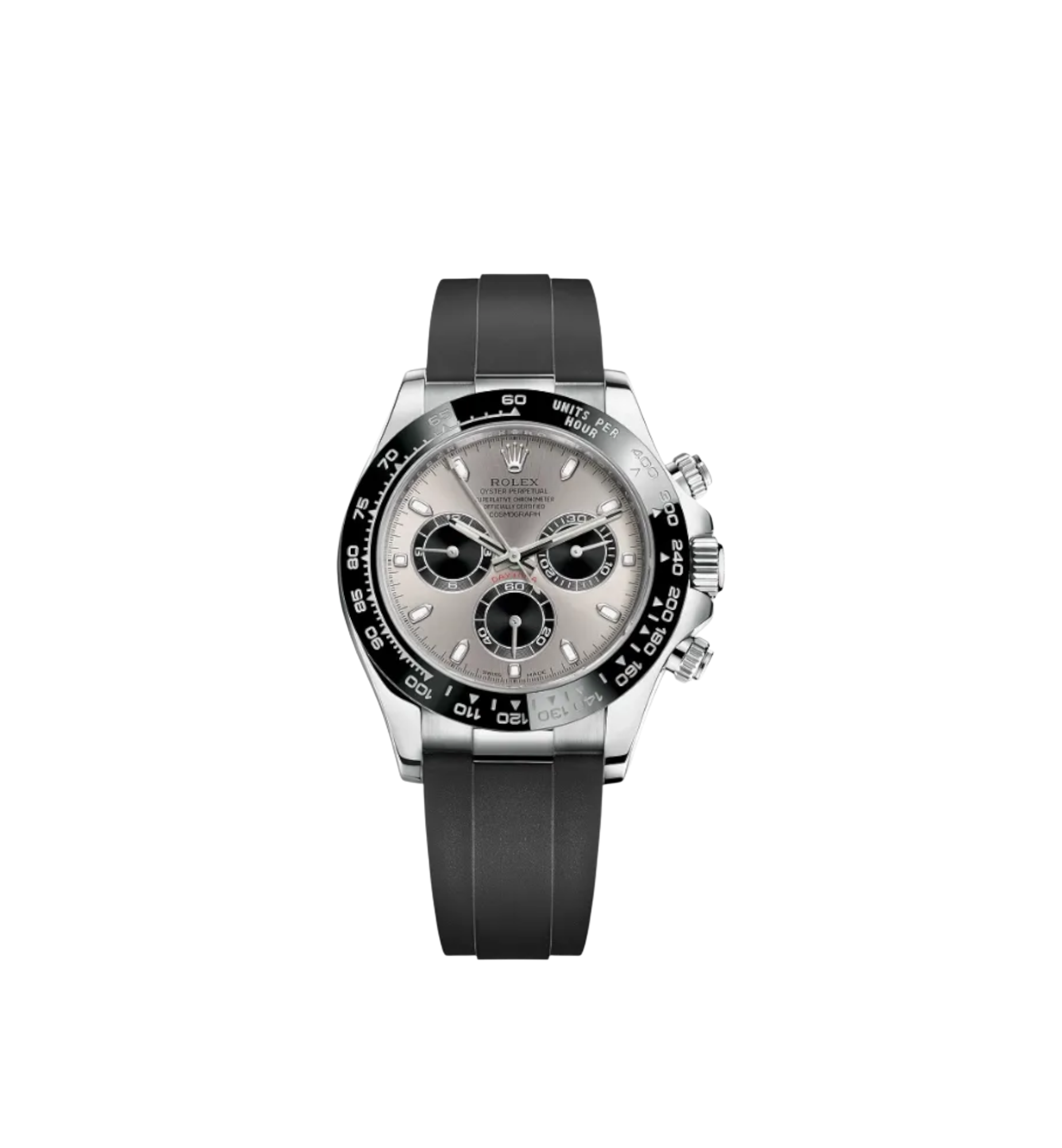
Purchase 3: The Rolex Datejust 36 (The Watch That Taught Me Patience)
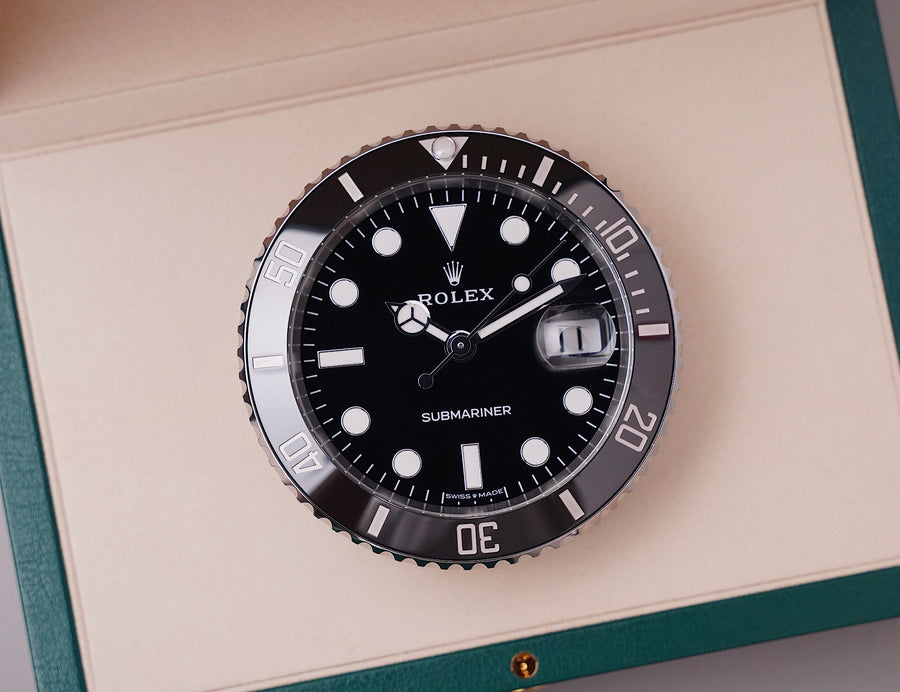
After the Santos, I caught the bug. Within a year, I wanted a Rolex. Specifically, I wanted a Submariner. Everyone wanted a Submariner. I walked into three authorised dealers in Dubai and heard the same thing: "We do not have one available. Would you like to be added to the list?" One sales associate was kind enough to be direct: "You have never purchased from us before. You will be waiting a very long time."
So I bought a Datejust 36 instead. Steel, fluted bezel, blue dial. It was not the watch I thought I wanted. It turned out to be the watch I needed.
The Datejust is the watch that goes everywhere. I wore it to my wedding. I wore it to pitch meetings. I wore it on a beach in Oman. I wore it to a funeral. The Submariner I was obsessing over would have been wrong at half of those events. Too sporty for a suit. Too bulky under a shirt cuff. The Datejust disappeared into every context like it was designed specifically for that moment, because in a way, it was. Rolex has been refining the Datejust since 1945. Eighty years of figuring out how to make one watch work for every situation.
What it taught me: the watch you think you want and the watch you actually need are almost never the same thing. Hype and social media will push you toward whatever is trending. Your actual life will tell you what works. Listen to your life.
I did eventually get a Submariner, three years later, pre-owned through an authenticated Rolex dealer. But the Datejust still gets more wrist time. It earned that spot honestly.
For anyone debating their best first Rolex, the Datejust is my genuine recommendation over the Submariner as a first watch. The Submariner buying guide is there when you are ready for watch number two.
Purchase 4: The Cartier Love Bracelet (The Gift That Became an Investment)
I bought my wife a Cartier Love bracelet for our fifth anniversary. Plain 18K yellow gold, no diamonds. The sales associate used a small screwdriver to fasten it onto her wrist, and she looked at me and said, "You know I am never taking this off, right?"
She was not joking. That bracelet has been on her wrist 24 hours a day, seven days a week, for four years. Through showers, workouts, flights, cooking, sleeping. It has tiny scratches from daily life that she considers character rather than damage. The gold has developed a soft warmth that polished new pieces do not have.
Here is where the story turns financial, and I did not expect this part. I paid approximately AED 26,000 for that bracelet four years ago. Today, the same bracelet retails at AED 32,300 and trades pre-owned at approximately AED 30,700 (95% of retail). My wife has worn it every day for four years, and it is worth more than I paid for it. When you add the fact that the gold inside the bracelet has tripled in value since 2020 (gold was $1,550 per ounce then, it is $4,700+ now), the metal alone is worth approximately AED 13,300.
What it taught me: the right luxury jewellery is the closest thing to a free purchase that exists. You wear it, you enjoy it, and years later it is worth what you paid or more. The key is choosing classic configurations. Plain gold. No diamonds (they add retail cost but minimal resale premium). Timeless designs from houses that raise prices annually.
For the detailed math on gold jewellery as an investment, read the gold jewellery investment guide. For the comparison that helped us choose, read the Cartier Love vs Juste un Clou guide. Browse authenticated Cartier jewellery for current availability.
Purchase 5: The Goyard Saint Louis (The Bag That Taught Me Quiet Confidence)
This is the purchase that surprised me most. It is a tote bag. A canvas tote bag. It cost less than any other item on this list. And it changed how I think about luxury more than anything else I have ever owned.
I bought the Goyard Saint Louis PM after a trip to Paris. I had walked past the Goyard boutique on Rue Saint Honoré three times before I went in. No advertising outside. No queues. No visible branding from the street. Inside, the bags were displayed simply. The staff were knowledgeable but not pushy. And the bag itself was unlike anything I had seen from a luxury house: hand-painted canvas, hand-stitched leather trim, and a design that has not changed in meaningful ways since the 1800s.
Goyard does not advertise. Goyard does not have an online store. Goyard has no boutique in Dubai or anywhere in the Middle East. You either know about it or you do not. And that quiet exclusivity taught me something that took years to fully appreciate: the loudest luxury is rarely the best luxury.
I carry the Saint Louis to the office, to the beach, to the supermarket. The Goyardine canvas handles everything. The bag weighs almost nothing. And every so often, someone recognises the hand-painted Y pattern and gives a small nod, the universal acknowledgement between people who understand that discretion is the final form of confidence.
What it taught me: there is a stage beyond caring about brand recognition. After you have owned a Rolex and a Cartier and a Hermès, you eventually discover the brands that do not need you to recognise them. They were there before the hype. They will be there after. Goyard has been making bags since 1853, 16 years before Louis Vuitton opened. They have never felt the need to tell you about it.
If Goyard interests you, the Goyard Dubai price guide covers every model and price. Since there is no Goyard store in the UAE, browse the authenticated Goyard collection for what is currently available in Dubai.
The Timeline: How a Collection Builds Naturally
What I Would Tell My 26-Year-Old Self
If I could go back to that moment in Dubai Mall, standing in front of the Cartier case with sweating palms, I would tell myself five things.
First, you are right to be nervous. A meaningful purchase should feel significant. The day luxury spending feels casual is the day you have lost the plot.
Second, buy fewer things, but buy the right things. Five considered purchases over nine years have given me more satisfaction than fifty impulsive ones ever could. Every piece on this list is something I use regularly. Every piece tells a story. Every piece is worth more than I paid.
Third, research before you buy, not after. Every mistake I have avoided came from reading guides, comparing options, and understanding what I was actually buying before handing over my card. Every mistake I have made came from buying on impulse because something "felt right" in the moment.
Fourth, classic configurations win. Neutral colours. Standard materials. Timeless designs. The pieces that look right today will look right in 20 years. The seasonal limited edition that felt exciting in the store will feel dated in 18 months. I learned this the hard way with a purchase that is not on this list, precisely because it did not teach me anything good.
Fifth, do not wait. Every single item on this list costs more today than when I bought it. Hermès raises prices every January. Cartier raises prices annually. Rolex increases retail every year. The Goyard I bought in Paris three years ago costs 15% more at the boutique now. Waiting has never, in the history of luxury, resulted in a lower price. The best time to buy your first piece was five years ago. The second best time is now.
Where to Start Your Own Journey
If any of these stories resonated with you, here is the honest starting point at each budget level.
Under AED 15,000: A Cartier Tank Must or Santos Dumont for your first luxury watch. A Goyard card holder or Belvedere for your first taste of quiet luxury. An Hermès Evelyne or Picotin for your first designer bag.
AED 15,000 to 35,000: A pre-owned Rolex Datejust that will outlast you. A Cartier Love bracelet small model or Juste un Clou that will never leave your wrist.
AED 35,000 and above: The collection deepens. A Rolex Submariner for weekends. A Hermès Birkin or Kelly as the centrepiece of a bag collection. A Patek Philippe when you are ready for the summit.
Every piece mentioned in this article is available authenticated across the luxury watch, designer handbag, and fine jewellery collections, with every item verified through the authentication process.
Frequently Asked Questions
What is the best first luxury watch to buy?
A Cartier Santos de Cartier or a Rolex Datejust. Both are versatile enough to wear with anything, hold their value exceptionally well, and carry genuine watchmaking heritage. The Santos is more distinctive in design. The Datejust is the more universal choice. Both are available from AED 15,000 pre-owned. If your budget is lower, the Cartier Tank Must at approximately AED 12,000 is the strongest entry point. Read the luxury watch collection guide for detailed recommendations by budget.
What is the best first designer bag?
The Hermès Evelyne TPM or PM is the best first designer bag from a heritage house. It is the most affordable all-leather Hermès bag, carries beautifully as a crossbody, handles daily use without anxiety, and retains 75 to 85% of retail value. If Hermès is above your budget, the Louis Vuitton Speedy Bandoulière 30 in Damier Ebene or the Goyard Saint Louis PM are both outstanding starting points under AED 10,000. Browse the authenticated designer handbag collection for current availability.
Is luxury jewellery actually a good investment?
In specific configurations, yes. The Cartier Juste un Clou retains 97% of retail value. The Cartier Love bracelet retains 95%. Van Cleef Alhambra retains 80 to 90%. The key is buying plain 18K gold (not diamond-set), in classic designs, from houses that raise prices annually. With gold above $4,700 per ounce in 2026, the metal value inside these pieces provides a meaningful floor that did not exist five years ago. Read the gold jewellery investment guide for the complete math.
Are luxury purchases worth the money?
That depends on what you buy. Seasonal fashion items from trend-driven brands can lose 40 to 60% of their value immediately. Classic pieces from heritage houses (Hermès, Rolex, Cartier, Patek Philippe, Goyard, Van Cleef) hold 70 to 130%+ of their value over time. When you factor in cost per year of use and resale value, the right luxury purchase can cost less per year than a mid-range alternative that wears out and becomes worthless. The five purchases in this article collectively cost less per year of ownership than comparable non-luxury alternatives.
What luxury items hold their value best?
Hermès Birkin and Kelly bags lead all categories. Rolex and Patek Philippe steel sport watches (Submariner, Daytona, Nautilus) trade above retail. Cartier Juste un Clou and Love bracelets retain 95 to 97%. The common factors: restricted supply, annual price increases, classic configurations, and deep brand heritage. For the complete ranking, read the 20 most valuable luxury items in 2026.
Is Goyard available in Dubai?
Goyard has no boutique in Dubai or anywhere in the Middle East. The brand does not sell online. The only way to buy Goyard in the UAE is through the authenticated secondary market. The authenticated Goyard collection includes Saint Louis totes, Belvedere messengers, Artois structured totes, and accessories. Read the Goyard Dubai price guide for the complete range and pricing.
Should I buy luxury new or pre-owned?
For most categories, pre-owned offers 15 to 30% savings with no meaningful downside when purchased from an authenticated retailer. For Hermès quota bags, Rolex sport watches, and Patek Nautilus, pre-owned is often the only practical path because boutique access is restricted. For newly launched seasonal pieces or items you want customised, new is the right choice. Read the pre-owned vs new luxury guide for the detailed comparison.
Share
Luxury Watches
 Same Day Delivery
 Same Day Delivery
 Same Day Delivery
 Same Day Delivery
 Same Day Delivery
 Same Day Delivery
 Same Day Delivery
 Same Day Delivery