


Understanding Patek Philippe Complications: A Complete Guide for Collectors
When luxury watch collectors talk about complications, they're not discussing problems. Quite the opposite. A complication is any function on a watch beyond basic timekeeping, and Patek Philippe makes some of the world's most sophisticated complications. Whether you're a seasoned collector or just exploring what sets luxury watches apart, understanding complications is essential to appreciating why certain Patek Philippe watches command such premium prices.
This guide breaks down everything you need to know about Patek Philippe complications, what they mean for your collection, and how to choose the right complication for your lifestyle.
What Exactly Is a Complication?
At its heart, a complication is any watch feature beyond the basic functions of hours, minutes, and seconds. Think of a standard watch as a simple tool that tells time. A complication transforms that tool into something more sophisticated, adding layers of functionality and craftsmanship.
For Patek Philippe, complications are more than just extra features. They represent mastery of watchmaking. Creating a reliable complication requires precision engineering, innovative design, and often years of development. That's why complications justify much of the price difference between a basic luxury watch and a sophisticated Patek Philippe timepiece.
The most important thing to understand: not every complication is right for every person. Some are purely technical showcases. Others solve real problems in your daily life. Knowing the difference helps you make the right choice.
The Most Common Patek Philippe Complications Explained
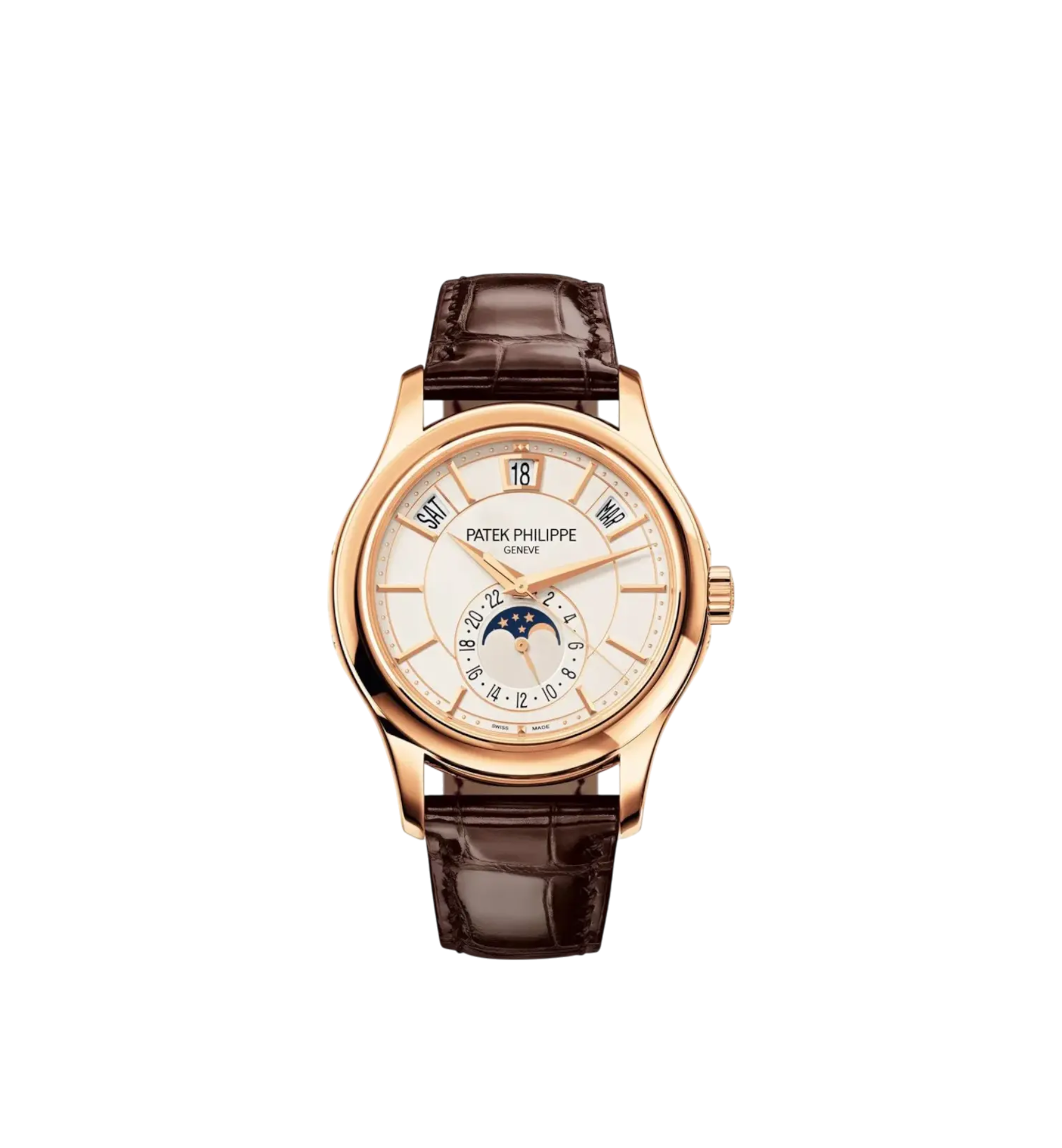
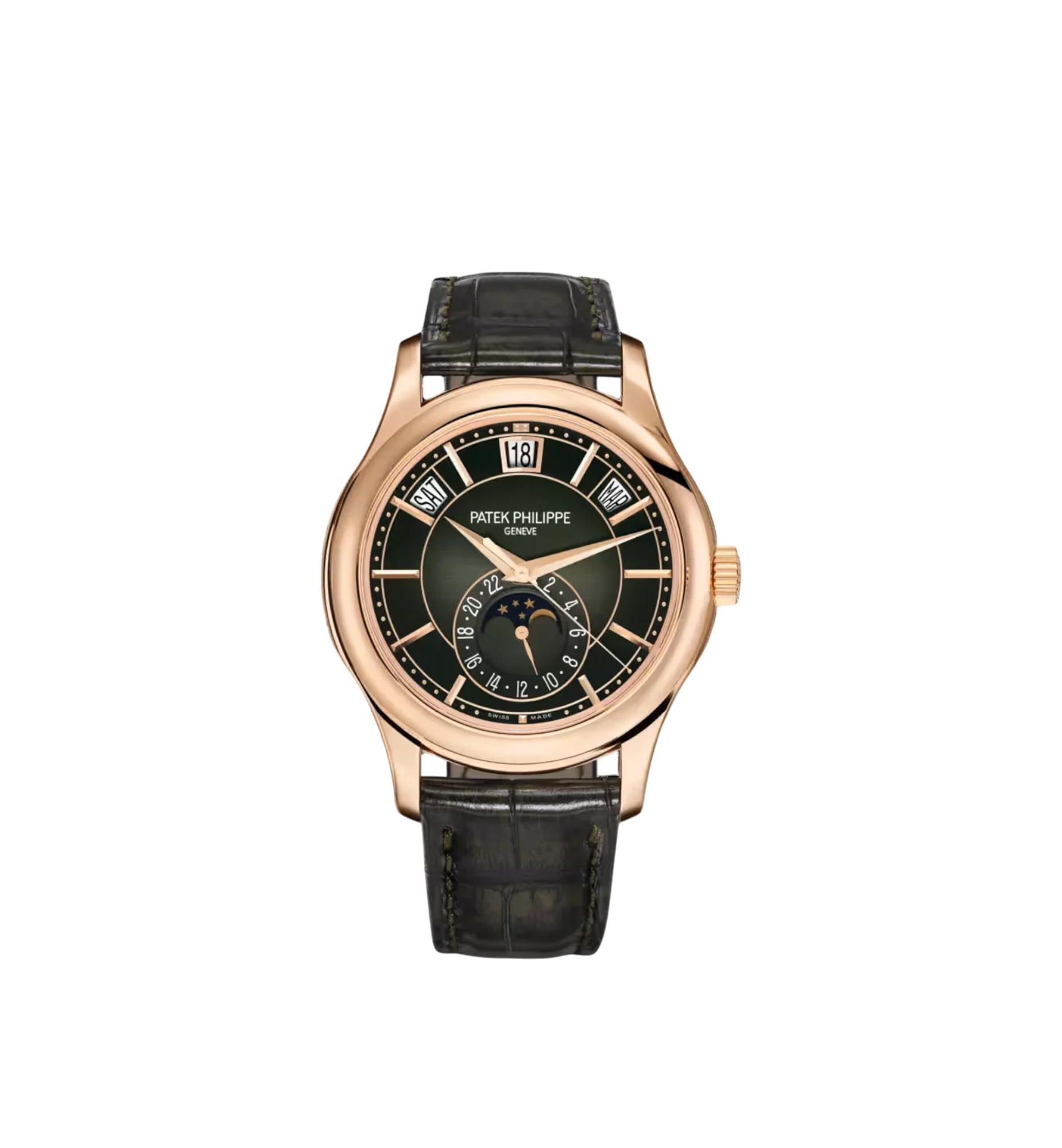
Annual Calendar
The annual calendar is one of Patek Philippe's most popular complications, and for good reason. It's practical and elegant.
Here's what it does: most watches with date functions require you to manually adjust them once per year (in February). An annual calendar watch automatically accounts for months with different numbers of days. You only need to adjust it once per year, in February. It sounds like a small thing, but for someone who wears the same watch daily, this saves 11 manual adjustments every year.
Who's it for? Collectors who want a practical complication that actually solves a real problem. You're not paying for unnecessary complexity you're paying for genuine daily convenience. The annual calendar is perhaps the most useful complication Patek Philippe offers.
Popular annual calendar models: The Aquanaut with annual calendar is a favorite among collectors who want sportiness combined with function.
Perpetual Calendar
The perpetual calendar is the annual calendar's more ambitious cousin. Instead of requiring adjustment in February, a perpetual calendar accounts for the February issue automatically. It knows which years are leap years and adjusts accordingly. In theory, you'll never need to adjust the date on a perpetual calendar watch.
In practice, most perpetual calendars need adjustment only once every hundred years or so (depending on the specific mechanism). That's why watchmakers often call it "perpetual" even though technically it requires occasional adjustment.
The perpetual calendar represents serious technical achievement. The mechanism inside is complex, with multiple cams that control the date advancement. It's engineering for its own sake, in the best possible way.
Who's it for? Serious collectors who appreciate the technical achievement, value the long-term practicality, or simply want a timepiece that demonstrates Patek Philippe's watchmaking prowess. It's not about daily necessity—it's about owning something genuinely special.
Chronograph
A chronograph is a stopwatch built into a watch. Press the button, and it starts timing. Press again, and it stops. Sounds simple, but creating a reliable chronograph mechanism requires serious engineering.
Chronographs are loved by collectors for two reasons: they're genuinely useful for timing things in daily life, and they look purposeful. A watch with chronograph pushers has undeniable presence on your wrist.
Patek Philippe chronographs range from straightforward designs to complex versions with additional functions. Some include a tachymeter scale (helpful for calculating speed), while others add even more layers of sophistication.
Who's it for? People who actually time things regularly, or collectors who love the mechanical sophistication and visual appeal. Chronographs offer the best combination of practical function and mechanical complexity.
GMT/Dual Time
A GMT function (named after Greenwich Mean Time) allows you to track two time zones simultaneously. One hand tracks your home time while another tracks a second timezone.
This is incredibly practical for executives, travelers, and anyone who regularly deals with international time zones. Rather than doing math to figure out what time it is in another part of the world, you glance at your wrist and see both times instantly.
Patek Philippe's GMT watches are beautifully executed. The functionality is seamless, and the design doesn't feel compromised by the additional complexity.
Who's it for? Anyone who travels internationally or works with global teams. This complication is genuinely practical. Unlike some pure technical achievements, GMT serves a real purpose in modern life.
Moon Phase
A moon phase complication shows you the phase of the moon on a dial. It's perhaps the most poetic complication Patek Philippe offers.
Practically speaking, most people don't need to know the moon phase. You have your phone. But that's exactly why moon phase complications are special. They represent watchmaking that values beauty and tradition alongside utility.
The mechanism is elegant: a rotating disc shows the lunar cycle, and as days pass, the display progresses to show whether the moon is waxing, waning, full, or new. There's something satisfying about watching a natural phenomenon play out on your wrist.
Who's it for? Collectors who value aesthetics and tradition. Moon phase watches are beautiful conversation pieces. They appeal to people who see a watch as an art object, not just a tool.
World Time
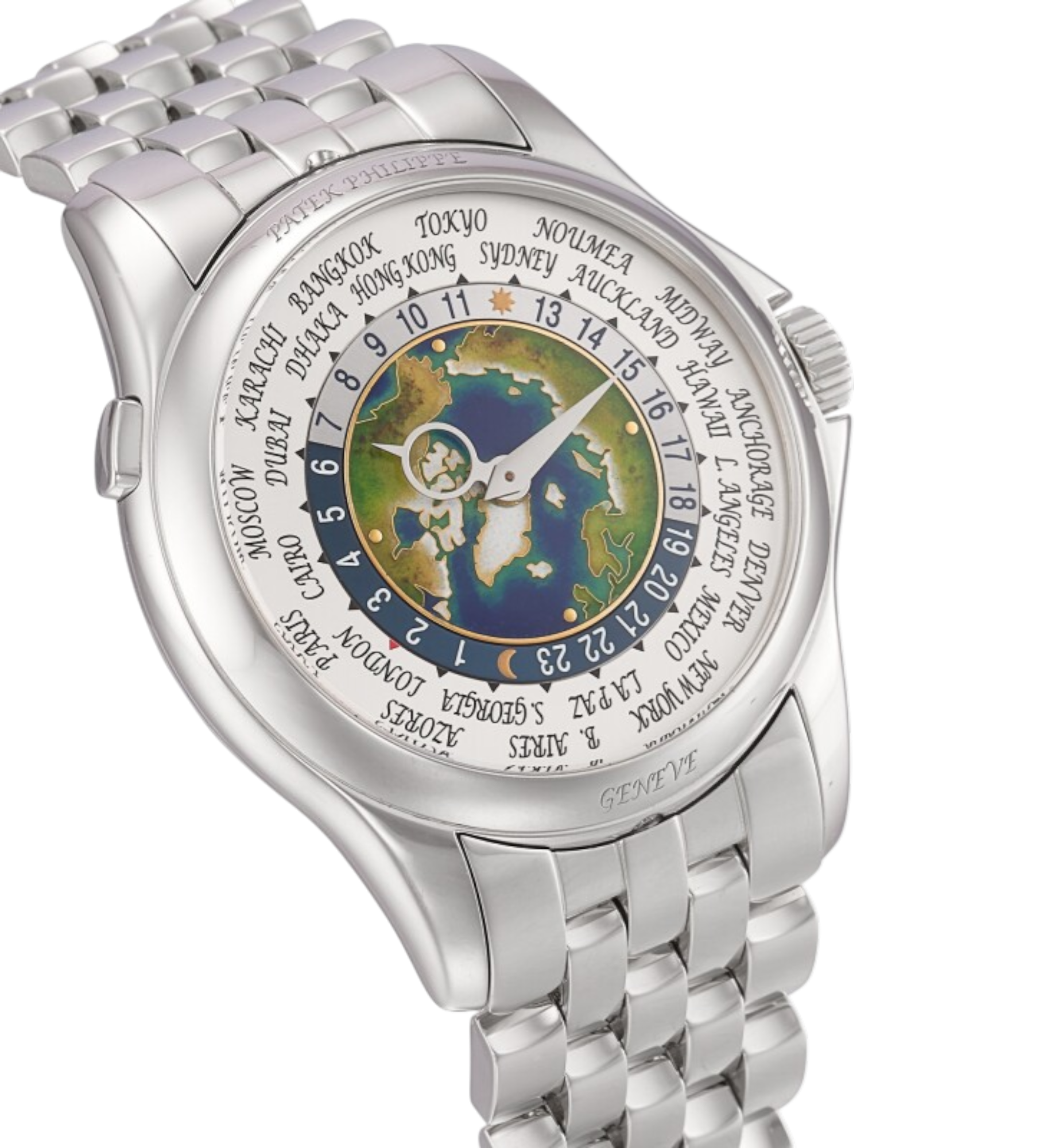
A world time complication shows you the time in multiple cities across the globe simultaneously. Unlike a GMT (which shows two times), a world time watch displays perhaps 24 different city times around a dial.
It's complex, it's impressive, and for someone who travels constantly or manages a truly global operation, it's genuinely useful. But realistically, this is the kind of complication that appeals more to collectors who appreciate the technical achievement.
Patek Philippe's world time watches are engineering marvels. The precision required to track so many different time zones simultaneously is extraordinary.
Who's it for? Serious collectors with global lifestyles, or people who simply want to own one of the most technically impressive watches on the market.
Power Reserve Indicator
A power reserve indicator shows you how much energy is stored in a watch's mainspring. When the indicator points to "full," you know you can wear the watch without winding for several days. When it approaches "empty," it's time to wind it.
This sounds simple, but it's surprisingly useful. For watches you don't wear daily, a power reserve indicator tells you whether the watch is still running or if it has stopped. No more guessing.
It's one of the more practical complications because it actually solves a problem every mechanical watch owner faces.
Who's it for? Anyone with multiple watches who doesn't wear each one daily. Power reserve indicators remove the guesswork from watch maintenance.
Why Complications Matter to Collectors
Complications serve several important purposes beyond their mechanical function.
First, they demonstrate Patek Philippe's commitment to technical excellence. A watch with multiple complications represents thousands of hours of development, testing, and refinement. When you buy a complicated Patek Philippe, you're buying proof of mastery.
Second, complications drive value. In the secondary market, watches with desirable complications almost always command premiums over simpler versions of the same model. Collectors are willing to pay more because they understand what went into creating the complication.
Third, complications tell a story about your watch. A perpetual calendar watch tells a different story than a chronograph. Understanding these distinctions helps you choose a watch that aligns with your values and lifestyle.
Choosing the Right Complication for You
The best complication is the one you'll actually use or genuinely appreciate. Here's how to think about it.
Ask yourself: Will I use this in daily life? If yes, a GMT or chronograph might be perfect. These complications solve real problems. You'll interact with them regularly, and that interaction will make you appreciate them more.
Ask yourself: Do I appreciate the technical achievement? If you're buying primarily because you love knowing that something incredibly complex is happening inside your watch, then a perpetual calendar or world time might be the right choice. These complications exist partly for their own sake, and that's completely valid.
Ask yourself: What will I wear most? Some complications work better on sports watches, others on dress watches. A chronograph suits a sports watch. A perpetual calendar belongs on a dress watch. Choose complications that match your intended wear.
Ask yourself: What's my budget? Complications add significant cost. A complicated watch costs considerably more than a standard version. Know your budget and decide if the additional complexity justifies the additional expense to you personally.
The Rarity Factor
Some complications appear on limited production runs. Others are only available on certain models. This rarity affects both pricing and collecting appeal.
When Patek Philippe introduces a new complication or a new version of an existing complication, collectors take notice. Limited availability drives demand. If you find a complicated Patek Philippe that appeals to you, waiting might mean missing out—or waiting years for another version to be produced.
Complications and Investment Value
Here's something many collectors consider: watches with valuable complications tend to hold their value better in the secondary market.
A perpetual calendar Nautilus will always be more sought-after than a basic Nautilus. Collectors understand that the complication adds both technical achievement and practical long-term value. When you eventually decide to sell or trade your watch, having a desirable complication works in your favor.
Understanding Service and Maintenance
One consideration with complications: servicing is more complex and therefore more expensive. A chronograph requires different service procedures than a simple watch. A perpetual calendar demands expertise that not every watchmaker possesses.
This isn't a reason to avoid complicated watches, but it is something to factor into your decision. Budget for professional service every 5-10 years, and plan on paying more for complicated movements than for simple ones.
The good news: Patek Philippe's service centers are excellent, and the brand stands behind their watches completely. Your complicated Patek Philippe will be meticulously maintained.
Frequently Asked Questions About Patek Philippe Complications
Do I really need a complicated watch, or am I just paying for showing off?
Some collectors buy complicated watches purely as status symbols. But that's not the real draw for most serious collectors. People buy complicated Patek Philippe watches because they either genuinely use the complication or they appreciate the technical mastery. Either reason is valid. What matters is being honest with yourself about which category you fall into.
Which Patek Philippe complication is the best investment?
Generally, perpetual calendars and world time watches tend to hold their value extremely well because they represent the pinnacle of technical achievement. But honestly, any Patek Philippe complications from their main collections will hold value well. The important thing is choosing a model you genuinely like.
Are complicated watches harder to use?
Not necessarily. Modern Patek Philippe complications are designed to be intuitive. A GMT watch is no harder to use than a simple watch—you just ignore the extra hand if you're only tracking one time zone. Chronographs require pushing a button, but any person can learn that in seconds. The complications are sophisticated internally, but user-friendly externally.
Can I wear a complicated watch daily?
Absolutely. Many collectors wear complicated Patek Philippe watches every single day. These are professional-grade timepieces built for real use. Whether you choose an annual calendar, chronograph, or GMT, you can wear it confidently in any situation.
What's the difference between a complication and a regular feature?
Technically, any function beyond telling time is a complication. But in practice, collectors use the term for the more sophisticated functions. A date window is sometimes considered a complication, but most collectors don't use that terminology for something so simple. The functions we've discussed in this guide are the ones collectors typically refer to when they talk about "real" complications.
Do I need to understand how a complication works to appreciate it?
Not at all. You can love wearing a watch without understanding the mechanical details. That said, understanding how a complication works does deepen your appreciation. The more you know, the more you realize what an achievement it represents.
Finding Your Next Patek Philippe
Now that you understand complications, you're ready to choose a watch that aligns with your lifestyle and collecting goals.
Whether you're drawn to the practical daily usefulness of a GMT, the technical achievement of a perpetual calendar, or the mechanical elegance of a chronograph, Patek Philippe has built timepieces that represent the absolute pinnacle of watchmaking.
The right complicated watch isn't about impressing other people. It's about owning something that fascinates you every time you look at it. When you find that watch, everything else falls into place.
 Same Day Delivery
 Same Day Delivery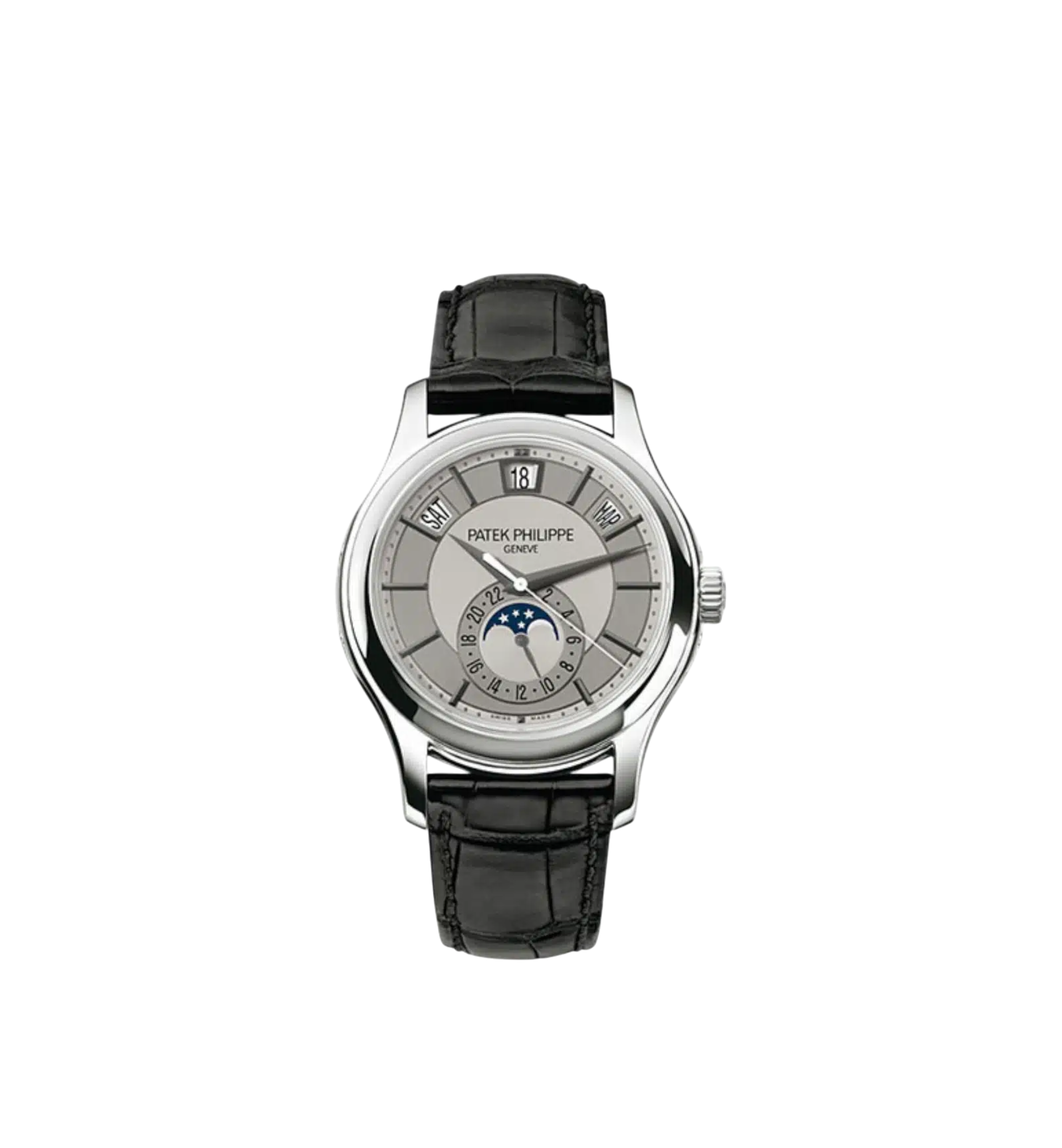
 Same Day Delivery
 Same Day Delivery
 Same Day Delivery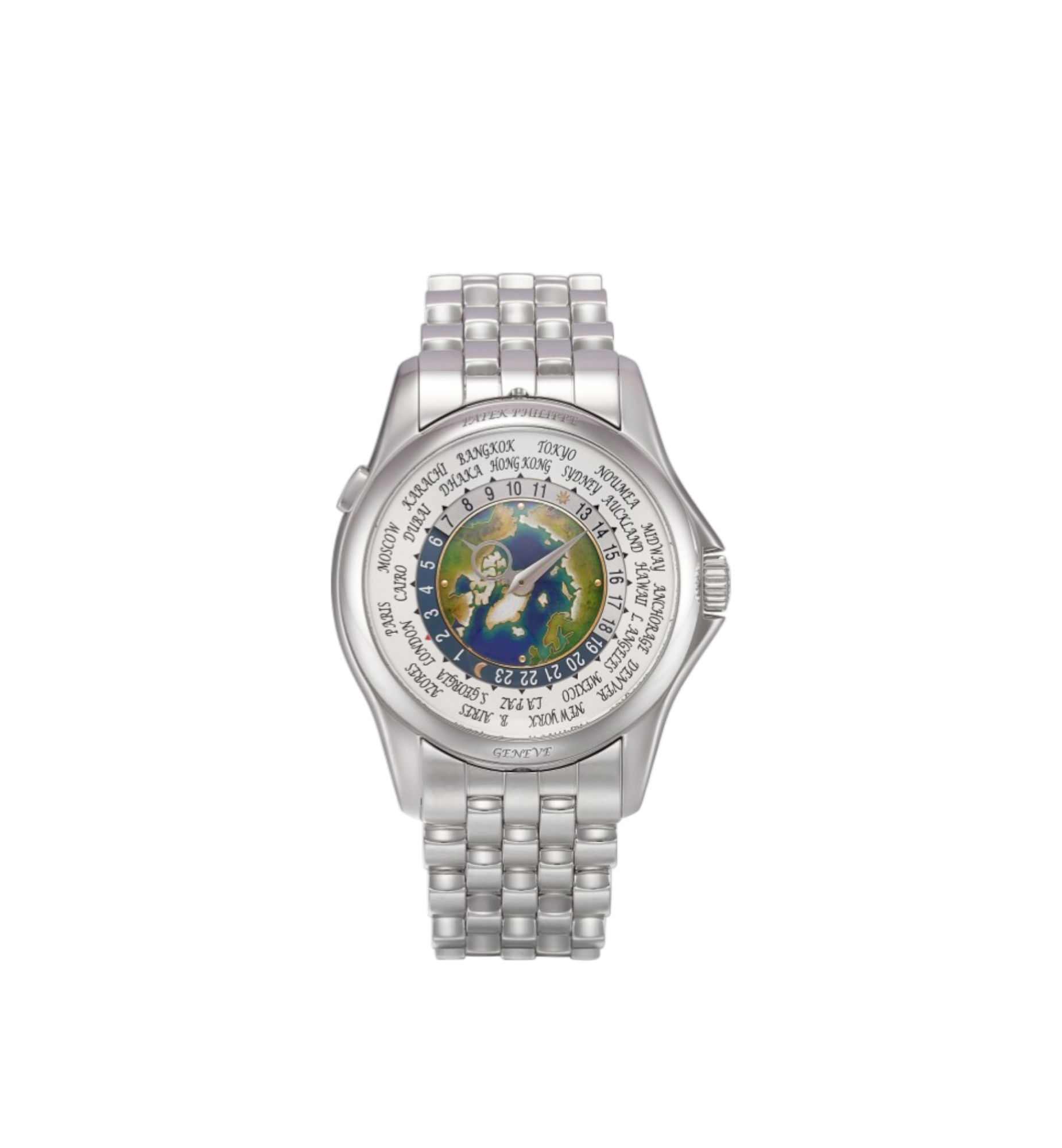
 Same Day Delivery
 Same Day Delivery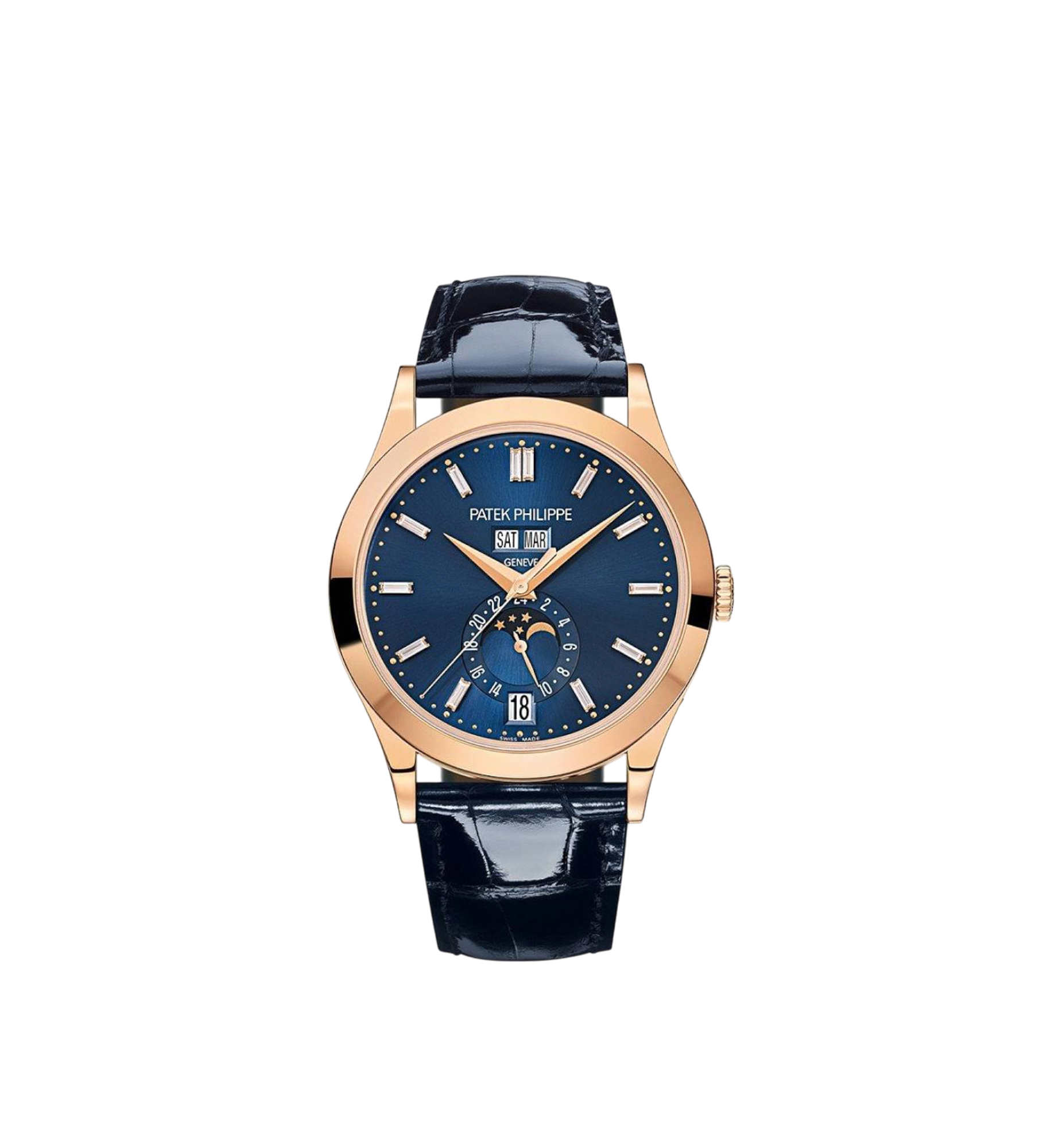
Read more

Here's the uncomfortable truth about buying luxury watches as an investment: most of them lose value the moment you leave the jewelry store. A new Mercedes depreciates 50% in five years. A luxury s...
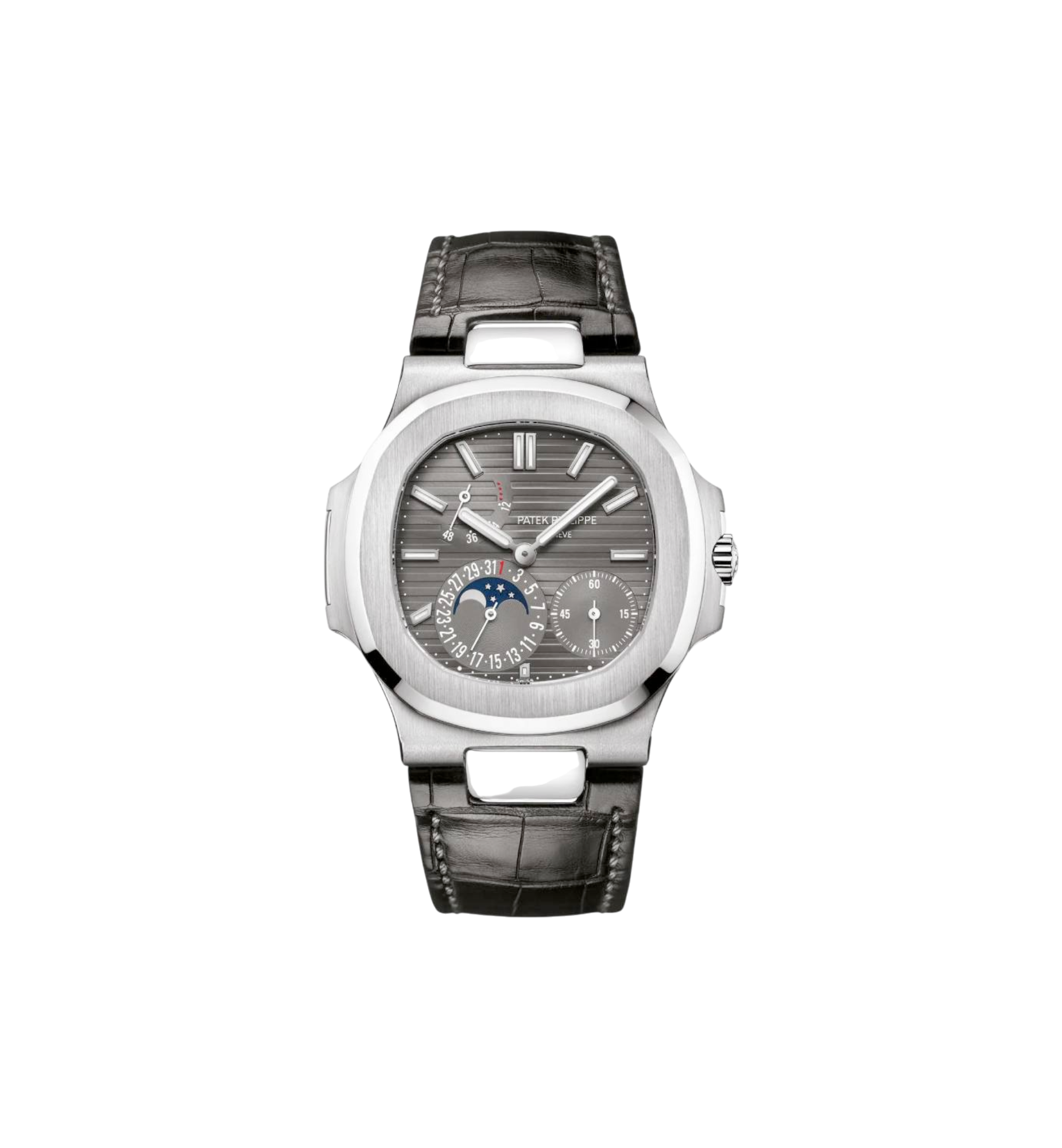
The Patek Philippe Nautilus might be the most talked about luxury watch of the past decade. And now, in 2026, it turns 50 years old. Whether you're considering your first serious watch purchase or ...