

Is Patek Philippe a Good Investment? Complete Analysis with Real Data
Here's the uncomfortable truth about buying luxury watches as an investment: most of them lose value the moment you leave the jewelry store.
A new Mercedes depreciates 50% in five years. A luxury suit becomes obsolete. Designer handbags fade from relevance. Yet certain Patek Philippe watches have done something remarkable. A Nautilus purchased in the 1990s for 30,000 francs might be worth 200,000 AED today. A Calatrava from 1960 is often worth more than the inflation-adjusted original price. This isn't luck. This isn't marketing hype. This is a pattern that repeats consistently across Patek Philippe's most desirable models.
At Konesseur, we work with collectors daily who ask the same question: is this watch a good investment? The answer is more nuanced than yes or no. Some Patek Philippe watches appreciate dramatically. Others simply hold their value. A few actually depreciate. Understanding which is which means understanding the mechanics of luxury watch value. It means knowing what actually appreciates and why. It means making strategic choices that your future self will be grateful for.
Why Patek Philippe Watches Actually Appreciate
Other luxury brands struggle with value retention. Patek Philippe doesn't. The reasons are grounded in mechanical economics and collector psychology, not brand marketing.
Scarcity of Supply vs. Endless Demand
Patek Philippe produces fewer watches than demand requires. This isn't accidental. It's intentional strategy. By maintaining scarcity, Patek Philippe ensures that demand always exceeds supply. A person who wants to purchase a Nautilus from an authorized dealer faces a waiting list potentially years long. This scarcity drives secondary market prices higher.
Think about basic economics. If demand is steady and supply shrinks, prices rise. Patek Philippe has essentially created a permanent supply shortage. They produce enough to maintain brand presence but not enough to satisfy the market. This dynamic pushes secondary market prices upward year after year.
Design Timelessness
Fashion luxury depreciates because fashion changes. The Nautilus was radical in 1976. It remains radical today. The Calatrava looks essentially the same as it did in 1932. This isn't conservatism. This is confidence that the design transcends trends.
Because Patek Philippe designs are timeless, a watch purchased ten years ago looks modern today. This means the watch never becomes dated. It never becomes "that style from the 2010s." It simply remains relevant. A fashion watch from 2010 might look dated. A Patek Philippe from 2010 looks current.
Consistent Collector Demand
Patek Philippe collectors are passionate. They don't buy watches to wear once and sell. They buy to own. To wear. To pass down. This consistent demand means watches don't flood the secondary market. Fewer pieces available for sale means prices stay elevated.
Compare this to fashion brands where people sell after a few years. In those categories, used supply is abundant. When supply is abundant, prices fall. Patek Philippe collectors tend to hold their watches, which keeps secondary market supply tight and prices high.
Vertical Integration and Quality
Patek Philippe controls nearly everything in-house. They manufacture cases. They make movements. They finish them by hand. They regulate them to exacting standards. This vertical integration means uncompromising quality across every piece. A Patek Philippe watch simply works better, lasts longer, and wears better than competitors. This durability and reliability make them attractive to long-term holders.
Which Patek Philippe Models Appreciate Most
Not every Patek Philippe appreciates equally. Understanding which models are best for investment requires understanding collector demand and historical performance.
The Nautilus: The Gold Standard of Appreciation
The Nautilus is the king of appreciation. Stainless steel Nautilus watches from the 1990s have appreciated 200% to 300%. Some rare references have appreciated even more. The reason is simple: the Nautilus is iconic, instantly recognizable, and in desperately short supply.
A Nautilus purchased today will likely appreciate. Whether it appreciates 50% or 300% depends on the specific reference, condition, and market evolution. But the historical pattern is clear: Nautilus watches hold and grow value better than nearly any other luxury watch.
The catch: Nautilus watches are extremely difficult to acquire. Authorized dealer waiting lists stretch years. Secondary market prices are elevated. If you're buying a Nautilus purely for investment, you're paying premium prices for premium appreciation potential.
The Aquanaut: Steady Value Retention
The Aquanaut is a different investment story. It doesn't appreciate as dramatically as the Nautilus. However, it holds its value exceptionally well. An Aquanaut purchased five years ago is likely still worth 90-95% of what you paid. That's impressive for any luxury good.
The Aquanaut is also more readily available than the Nautilus. You can often purchase one without years of waiting. This accessibility makes it more practical as an investment tool. You're not paying the Nautilus premium, but you're still getting solid value retention with a watch you'll actually enjoy wearing.
The Calatrava: Value Retention with Modest Appreciation
The Calatrava holds its value well but doesn't appreciate dramatically. A stainless steel Calatrava might appreciate 10-30% over ten years. That's in line with inflation, not significantly above it. Certain vintage Calatrava references appreciate more significantly, but modern Calatrava watches are reliable value holders rather than wealth builders.
This doesn't mean the Calatrava is a bad investment. It means you're buying it primarily for ownership and enjoyment, with value retention as a bonus. If you're looking for a watch that will definitely be worth something if you decide to sell, the Calatrava delivers. If you're looking for dramatic appreciation, the Nautilus or Aquanaut are better choices.
Complications: Variable but Compelling
The Complications collection is harder to predict. A perpetual calendar Patek Philippe often appreciates significantly because few are produced and collector demand is intense. However, complications in less desirable case styles might not appreciate as much.
The investment thesis for complications is different. You're not betting on design popularity. You're betting on mechanical rarity and collector passion for horology. If you're passionate about mechanical watches, a complications piece is both an investment and a personal indulgence. If you're purely investing for appreciation, the Nautilus is more reliable.
The Cubitus: Too New for Reliable Data
The Cubitus is too new to have established secondary market appreciation data. As a Patek Philippe sports watch with a distinctive contemporary design, it should hold value well. Whether it appreciates significantly remains to be seen. Conservative investors might wait for a few years of market data before committing capital.
The Gondolo: Solid Collector Interest
The Gondolo is Patek Philippe's women's sports watch. It has a smaller but passionate collector base. Gondolo watches hold their value well and appeal strongly to female collectors. The appreciation potential is lower than the Nautilus but solid nonetheless. If you're a woman collector, the Gondolo is actually a more accessible entry point to Patek Philippe with good value retention.
The Investment Strategy: Collector vs. Speculator
There are two fundamentally different approaches to investing in Patek Philippe watches.
The Collector Approach
You buy watches because you love them. You wear them. You care for them. You enjoy the mechanical artistry. If they appreciate, that's a bonus. This approach almost always works out financially because you're getting genuine enjoyment for your money. Even if the watch doesn't appreciate much, you've been wearing something beautiful for years.
The collector approach is emotionally sustainable. You don't stress about market fluctuations. You don't regret wearing your watch because you're worried about condition. You simply enjoy ownership and let appreciation happen naturally.
The Speculator Approach
You buy watches purely for appreciation potential. You buy models with the best historical track records. You keep them in pristine condition. You time your purchases strategically. You sell when the market is right. This approach can generate returns but requires active management and market timing knowledge.
The speculator approach is riskier. You're betting that market demand continues. You're betting that specific models remain desirable. You're making capital allocation decisions. You need to understand the market deeply to succeed.
Most successful Patek Philippe investors actually blend both approaches. They buy watches they genuinely like. They take care of them properly. They hold long enough for appreciation to compound. When they decide to sell, they get a bonus. This hybrid approach captures most of the appreciation benefits while maintaining enjoyment.
Real Appreciation Data: What Actually Happened
Let's look at real examples rather than theory.
Nautilus Steel Case 1990s
A stainless steel Nautilus purchased in 1995 for approximately 20,000 CHF (Swiss Francs) can be found on the secondary market today for 150,000 to 250,000 AED depending on condition and exact reference. That's appreciation of roughly 250% over 30 years. Annualized, that's approximately 3.4% per year, which is solid but not extraordinary.
However, if you purchased that same Nautilus in 2005 for approximately 35,000 AED, it's now worth 120,000 to 180,000 AED. That's 3-5x appreciation in 20 years. The recent appreciation has been dramatic.
Calatrava 1980s
A stainless steel Calatrava from 1985 that originally cost approximately 2,500 CHF would have been worth roughly 15,000 to 20,000 AED in today's money accounting for inflation. That same watch on the secondary market today sells for 18,000 to 25,000 AED. It's essentially kept pace with inflation with slight appreciation.
Aquanaut 2000s
An Aquanaut purchased in 2005 for approximately 30,000 AED is worth 35,000 to 45,000 AED today. That's 15-50% appreciation over 20 years. Good value retention but not dramatic appreciation. However, you've been wearing and enjoying the watch the entire time, which is the real return for a collector.
Factors That Affect Appreciation
Not all Patek Philippe watches appreciate equally. Several factors determine whether a specific watch will hold or grow value.
Reference Number and Rarity
Certain references are more sought-after than others. A Nautilus reference that was produced in lower numbers appreciates more than a reference that was produced in higher volumes. A Calatrava reference that's been discontinued might appreciate more than a current model.
Rarity is relative. It's not about overall production numbers. It's about how many collectors want that specific reference. A less common reference that nobody wants won't appreciate. A very common reference that everyone wants might appreciate significantly.
Condition
Condition dramatically affects value. A watch that's been worn heavily might be worth 30% less than a watch in pristine condition. A watch with recent service history commands premiums. Original parts matter. A watch that's been serviced by non-authorized technicians might be worth significantly less.
If you're buying for investment appreciation, maintaining condition is crucial. This means storing the watch properly, servicing it at authorized centers, protecting it from impacts, and keeping documentation of all service.
Complete Documentation and Provenance
A Patek Philippe with original papers, boxes, service records, and clear provenance sells for more than the same watch without documentation. Sometimes significantly more. For investment purposes, documentation is essential.
When you buy a watch, ensure you receive complete documentation. If it's a pre-owned watch, demand proof of authenticity and service history. At Konesseur, we provide comprehensive documentation with every piece we sell. This documentation becomes part of the watch's value.
Market Trends
The market for luxury watches shifts. Certain models become unexpectedly popular. Others fall out of favor. Sports watches have been appreciating dramatically over the past 15 years while dress watches have appreciated more slowly. If current trends continue, sports watches might continue outperforming dress watches.
However, trends can reverse. Dress watches might come back into fashion. Contemporary geometric designs like the Cubitus might become more desirable. Predicting these trends is difficult. The safest approach is buying watches with proven, consistent demand.
The Secondary Market and Timing
The secondary market for Patek Philippe watches is where appreciation happens. But secondary market dynamics are complex.
Why Secondary Market Prices Are Higher Than Retail
A watch that costs 80,000 AED from an authorized dealer might cost 120,000 AED on the secondary market. Why? Because the secondary market reflects true demand. Authorized dealers control allocation. Secondary market prices are set by buyers willing to pay them.
This gap between authorized prices and secondary prices is where appreciation opportunity exists. If you can somehow acquire a watch at authorized retail prices, the secondary market difference alone represents appreciation.
Buying Timing
Should you time your purchases to buy when prices are low? Theoretically yes. Practically, luxury watch prices rarely drop significantly. They plateau or rise. Trying to time the market perfectly is difficult. Better to buy when you're ready and let appreciation compound over time.
Selling Timing
When should you sell? When you need the capital. When you want to trade up to another watch. When you've achieved your appreciation goal. The market for Patek Philippe watches is consistent enough that timing doesn't matter dramatically as long as your watch is in good condition with proper documentation.
Risks: Not Every Patek Philippe Appreciates
Understanding the risks is crucial for informed investment decisions.
Market Saturation
If Patek Philippe dramatically increases production volumes, secondary market prices could fall. The scarcity premium would disappear. While this seems unlikely given the brand's current strategy, it's theoretically possible.
Changing Collector Preferences
A watch that's sought-after today might be unpopular tomorrow. Fashion changes. Collector priorities shift. If a specific model falls out of favor, appreciation stalls or reverses. This risk is lower for iconic designs like the Nautilus or Calatrava but still exists.
Condition Deterioration
Watches are mechanical instruments. Wearing them causes wear. Service costs money. Storage issues cause problems. If you don't maintain your watch properly, its value deteriorates regardless of market conditions.
Counterfeits and Authentication Issues
Sophisticated counterfeits exist. If you accidentally purchase a counterfeit, your "investment" is worthless. This is why authentication and proper documentation are essential. Only buy from reputable dealers. Demand proof of authenticity. At Konesseur, every watch is verified and authenticated before sale.
Liquidity Risk
Even though Patek Philippe watches have strong secondary markets, they're not as liquid as stocks or bonds. If you need to sell quickly, you might not get the best price. Allow time for proper sales processes and marketing.
How to Buy Strategically for Investment Appreciation
If you're buying with appreciation in mind, certain strategies improve your odds.
Focus on Proven Models
The Nautilus and Aquanaut have decades of proven appreciation. These are lower-risk investments than newer models like the Cubitus. If you're new to watch investing, stick with established models.
Buy Below Secondary Market Prices
This is where dealers like Konesseur create value. We source watches and price them competitively, often below market secondary prices. When you buy at below-market prices, you have appreciation built in immediately.
Prioritize Condition and Documentation
A watch in excellent condition with complete documentation sells for significantly more than one in average condition. Spend slightly more upfront to get the best condition and documentation. This investment in quality pays dividends when you eventually sell.
Avoid Heavy Wear
If you're buying for investment appreciation, minimize wear. Don't use the watch as a daily tool watch. Wear it occasionally for special occasions. Store it properly. Service it on schedule. Preserve condition to maximize future value.
Get Multiple Professional Opinions
Before committing capital, get opinions from multiple experts. At Konesseur, we're happy to discuss a watch's investment potential. We can explain which aspects will preserve value and which might affect future appreciation.
The Collector Investor Advantage
Here's something important: as a Patek Philippe collector, you have an advantage that pure financial investors don't have.
You're getting enjoyment while you wait for appreciation. You're wearing beautiful mechanical instruments. You're part of a collector community. You're learning about horology. The financial return is just the bonus on top of the genuine pleasure of ownership.
This is why collector-investors almost always succeed with Patek Philippe watches. Even if a watch doesn't appreciate dramatically, you've had years of enjoyment wearing something exceptional. That has real value, even if it's not strictly financial.
Frequently Asked Questions
Is Patek Philippe a better investment than Rolex?
Both brands appreciate well, but differently. Patek Philippe appreciates more dramatically on specific models like the Nautilus. Rolex has broader appreciation across more models. Patek Philippe is more selective. Rolex is more reliable. If you're optimizing for maximum appreciation potential, Patek Philippe's Nautilus has the better track record. If you want more options, Rolex offers more variety.
How much does a Patek Philippe typically appreciate?
It depends on the model. The Nautilus has appreciated 200-300% over 25-30 years historically. The Aquanaut appreciates more slowly but steadily, typically 15-50% over 15-20 years. The Calatrava holds value but doesn't appreciate dramatically. Sports watches appreciate faster than dress watches. Complications appreciate based on rarity and mechanical significance.
Should I buy new or vintage for investment?
Both can appreciate. New watches give you warranty coverage and guaranteed authenticity. Vintage watches sometimes represent better value and might have stronger appreciation potential. A vintage Nautilus from the 1990s has appreciated more than a new Nautilus, but that's because you can see 30 years of appreciation. If you purchase a new Nautilus today, it should appreciate similarly over the next 30 years. For investment purposes, condition and documentation matter more than age.
Can I buy a Patek Philippe with the guarantee it will appreciate?
No. Nothing is guaranteed. Market conditions change. Collector preferences shift. However, Patek Philippe's track record of appreciation is strong enough to be confident. The Nautilus and Aquanaut have proven they appreciate. But specific watches might not. Buy with eyes open about the risks.
What's the most important factor for investment appreciation?
Condition and documentation. A Nautilus in excellent condition with full documentation sells for dramatically more than one in worn condition without papers. If you're buying for investment, prioritize condition above all else. Preserve what you buy.
Should I wear my investment watch?
This is the collector's dilemma. If you're purely investing, don't wear it. Preserve condition. But if you're buying something you'll own for decades, occasional wear is fine. The real return is ownership and enjoyment. Financial appreciation is the bonus. Wear it occasionally, maintain it properly, and you'll have both enjoyment and appreciation.
How long should I hold a Patek Philippe for appreciation?
The longer the better. Five years is the minimum to see meaningful appreciation. Ten years shows substantial gains. Twenty years plus shows dramatic appreciation. If you're buying for short-term flip, luxury watches might not be ideal. If you're buying for five-year-plus holding, appreciation is likely. If you're buying to own long-term, appreciation becomes a pleasant surprise.
What references should I target for maximum appreciation?
Proven models: Nautilus (best appreciation), Aquanaut (steady appreciation), and discontinued references of Calatrava (holds value well). Within these, lower production references appreciate more than higher production references. Ask experts which specific references have the best investment potential.
Is it worth paying a premium for a rarer reference?
Sometimes. A rarer reference might cost 20% more upfront but appreciate faster, making up the difference. A common reference might cost less but appreciate more slowly. The math depends on the specific references. At Konesseur, we can help you evaluate whether a premium for rarity is worth it for your specific investment goals.
Should I finance a Patek Philippe if I'm buying for investment?
If you're financing at 5-10% interest and the watch appreciates 3-4% annually, you're paying more in interest than you're gaining in appreciation. This only works if you're bullish on appreciation exceeding interest costs. It's safer to buy with cash or put enough down that the interest cost is minimal relative to appreciation potential.
How do I know if I'm overpaying for a watch?
Research recent comparable sales on the secondary market. Ask multiple dealers for pricing. At Konesseur, we price competitively and can explain how our pricing compares to market averages. If a price seems too good to be true or suspiciously high, trust your instincts. Get a second opinion before committing.
Can I invest in Patek Philippe without huge capital?
Yes. A stainless steel Calatrava or Aquanaut starts around AED 35,000 to 50,000. You don't need a quarter million to invest in Patek Philippe. Even modest purchases appreciate over time, especially if held long enough. Start where you're comfortable and build your collection over years.
 Same Day Delivery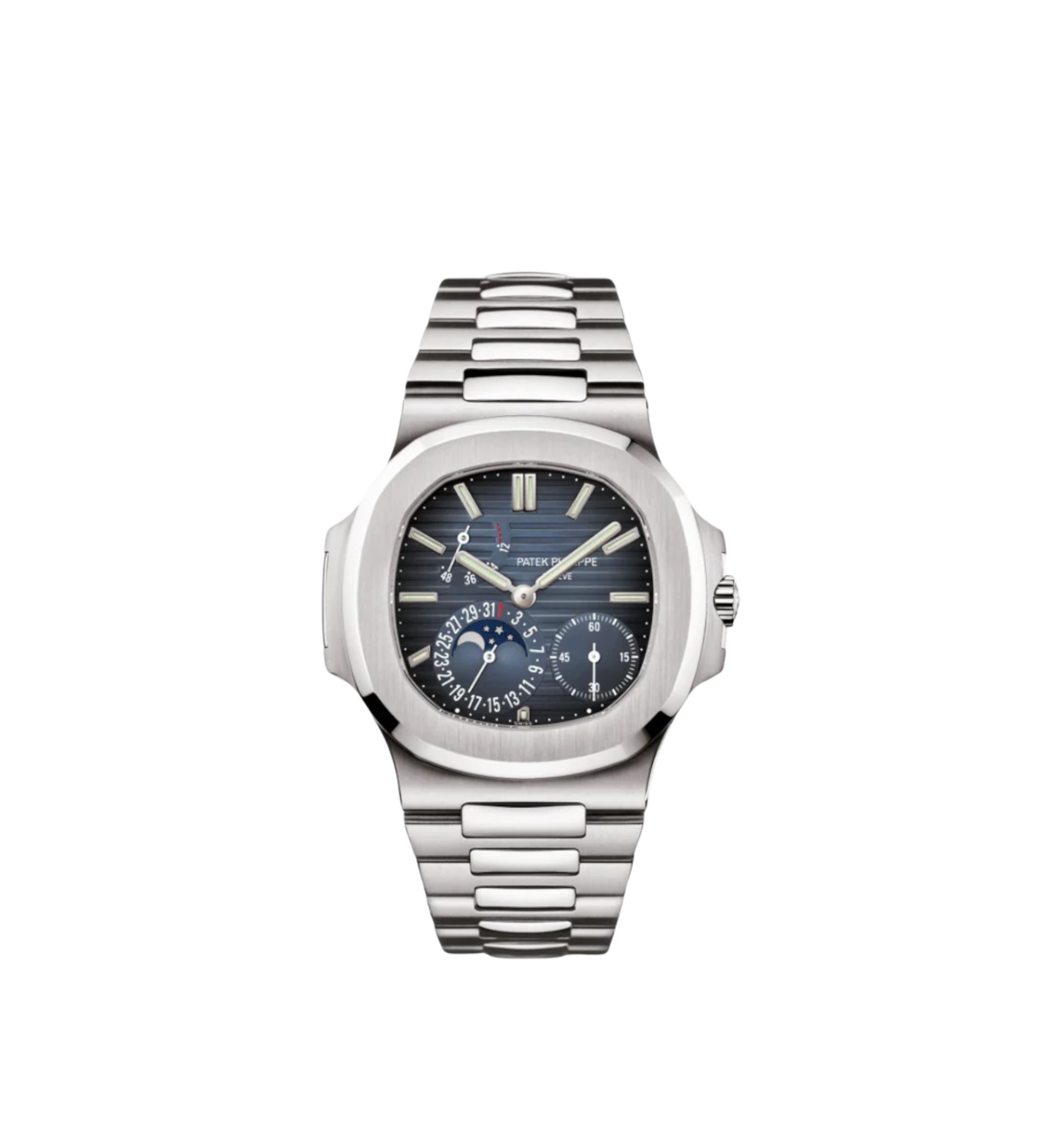


 Same Day Delivery
 Same Day Delivery