


Hublot Big Bang vs Classic Fusion Watch Comparison Guide
If you have decided on Hublot but have not yet decided which collection, you are facing the same question that every Hublot buyer eventually confronts: Big Bang or Classic Fusion? They both carry the porthole case shape, the six H shaped bezel screws, and the rubber strap DNA that defines the brand. But they are fundamentally different watches designed for different wrists, different occasions, and different relationships with luxury. This guide breaks down exactly where the two collections diverge so you can make the right decision the first time.
The Origin Story
Understanding which collection suits you starts with understanding where each one came from, because the design philosophy behind them could not be more different.
The Classic Fusion traces its lineage directly to the watch that started everything. When Carlo Crocco founded Hublot in 1980, his first creation combined an 18 karat gold case with a natural rubber strap, a pairing that the Swiss watch establishment considered scandalous. That original watch, with its round porthole case and visible bezel screws, established every design code that Hublot still uses today. The Classic Fusion launched in 2008 as a modern reinterpretation of that founding design, refining the original proportions into a thinner, more elegant silhouette that honours where Hublot began.
The Big Bang arrived in 2005 with a completely different mission. Conceived by CEO Jean Claude Biver, it took the Art of Fusion concept and amplified it into something the watch world had never seen. The "sandwich construction" layered different materials and held them together with visible hardware, creating a watch that looked engineered rather than merely designed. Within twelve months, the Big Bang won Best Design at the Grand Prix d'Horlogerie de Genève and increased Hublot's sales by 300%. Where the Classic Fusion preserves, the Big Bang provokes.
Design and Aesthetic
This is where most buyers feel the difference immediately, and it is the factor that usually determines which collection speaks to you.
The Classic Fusion is refined and restrained. The case profile is noticeably thinner than the Big Bang, the dial is cleaner with fewer layers, and the overall impression is one of elegant simplicity. The design says Hublot without shouting it. The porthole case and H shaped screws are present, but they are integrated into a silhouette that moves between a business meeting and a weekend lunch without drawing excessive attention to itself. If you have ever admired a watch on someone's wrist and had to look twice to identify it, that is Classic Fusion territory.
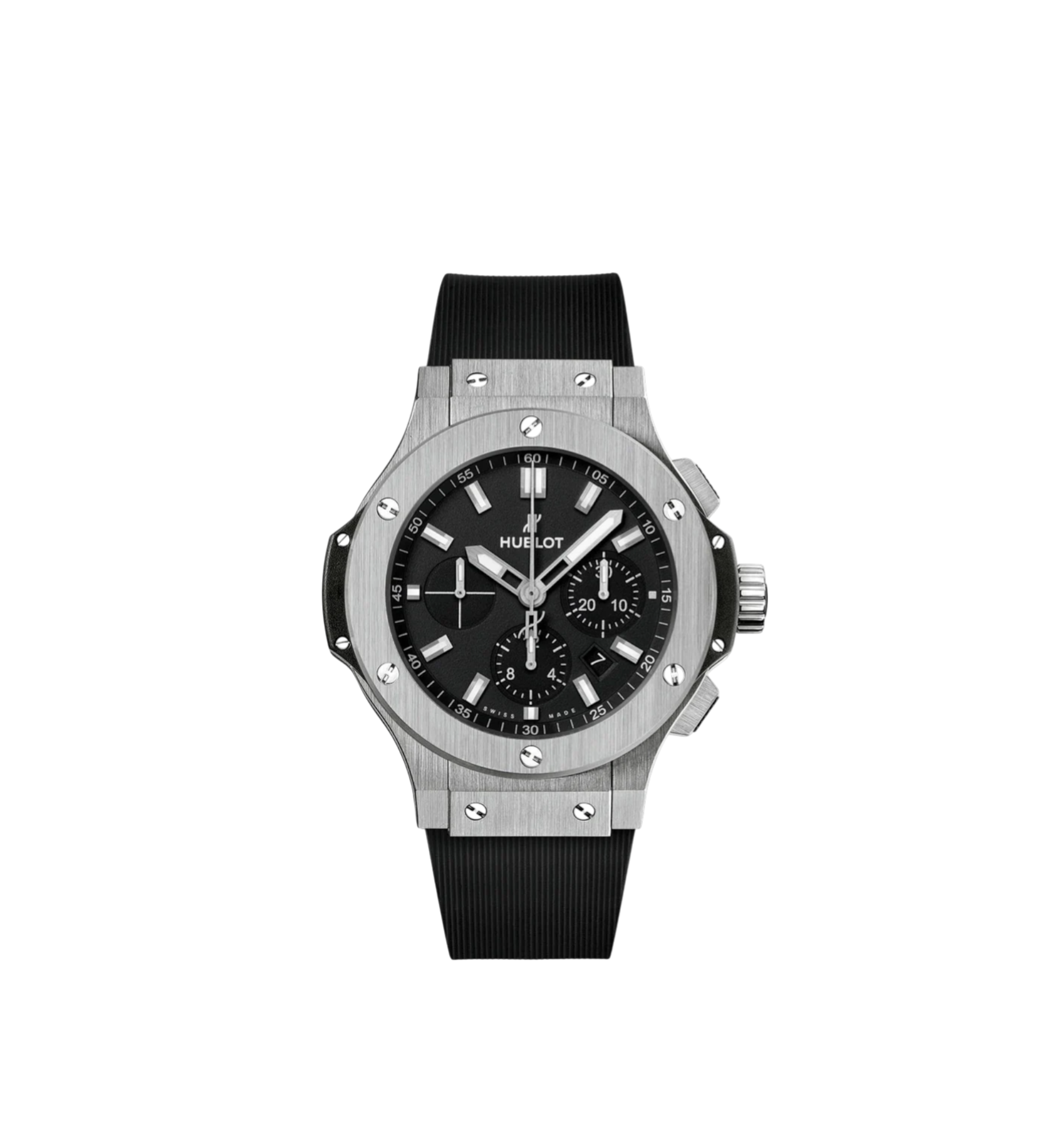
The Big Bang is bold and architectural. The sandwich construction creates visible layers of material on the case side. The dial is busier, with more depth, more texture, and more visual information competing for attention. The bezel screws are more prominent, the pushers on chronograph models are larger, and the overall proportions are more assertive. The Big Bang does not whisper. It makes a statement the moment it appears on your wrist, and it is designed for people who want their watch to be noticed, discussed, and remembered.
Case Size and Comfort
The sizing difference between the two collections is significant enough to change which one works for your wrist and your wardrobe.
The Classic Fusion is available from 33mm through to 45mm across the broader Hublot catalogue, making it genuinely unisex. At Konesseur, the Classic Fusion pieces come in 42mm and 45mm, both with a slim profile that keeps the watch close to the wrist. The thinner case height is the key comfort advantage. A 45mm Classic Fusion feels less imposing than a 45mm Big Bang because the reduced thickness changes the visual mass and the way the watch interacts with shirt cuffs and jacket sleeves. If you need a watch that slides under a cuff without catching, the Classic Fusion is almost always the better choice.
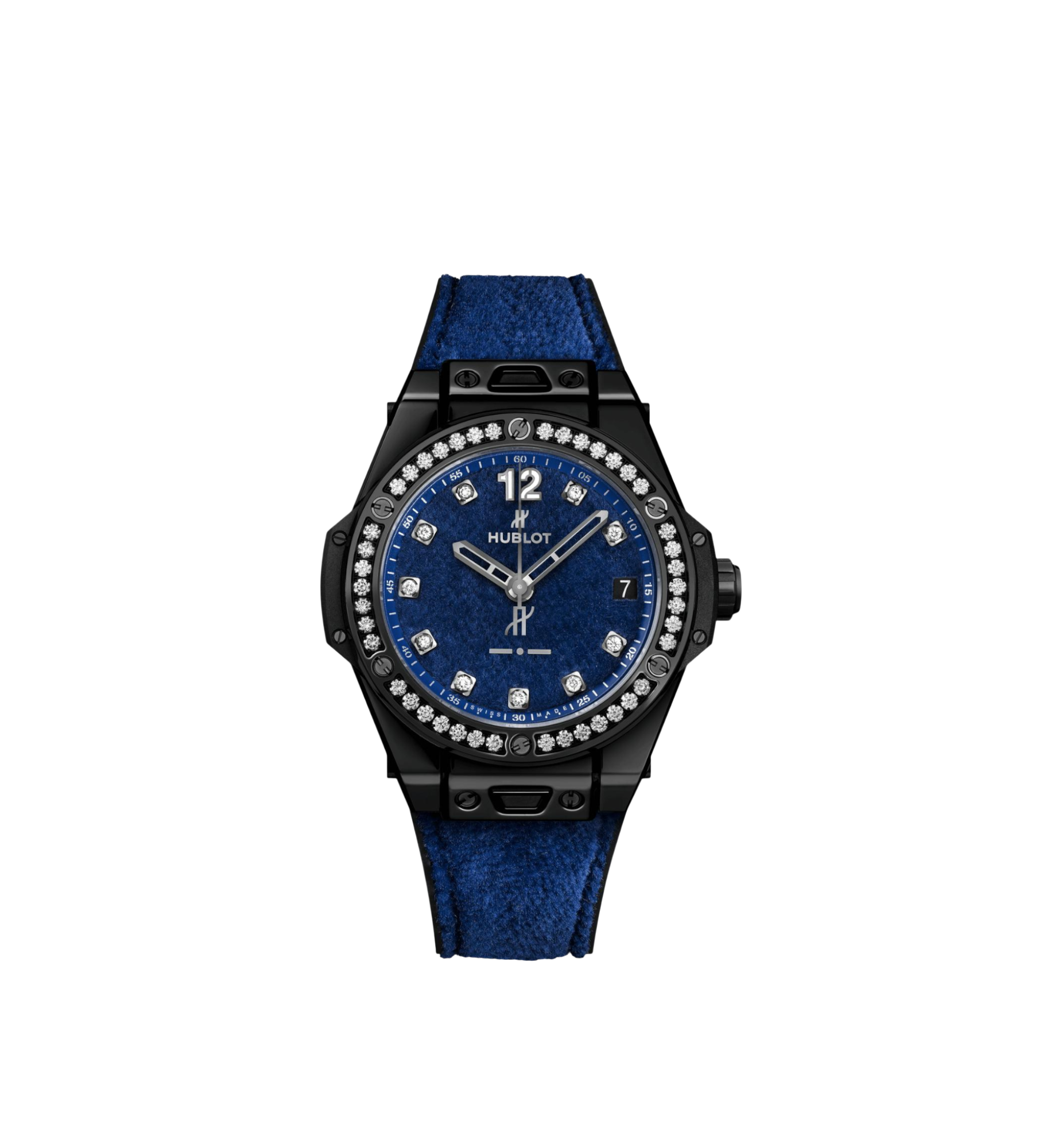
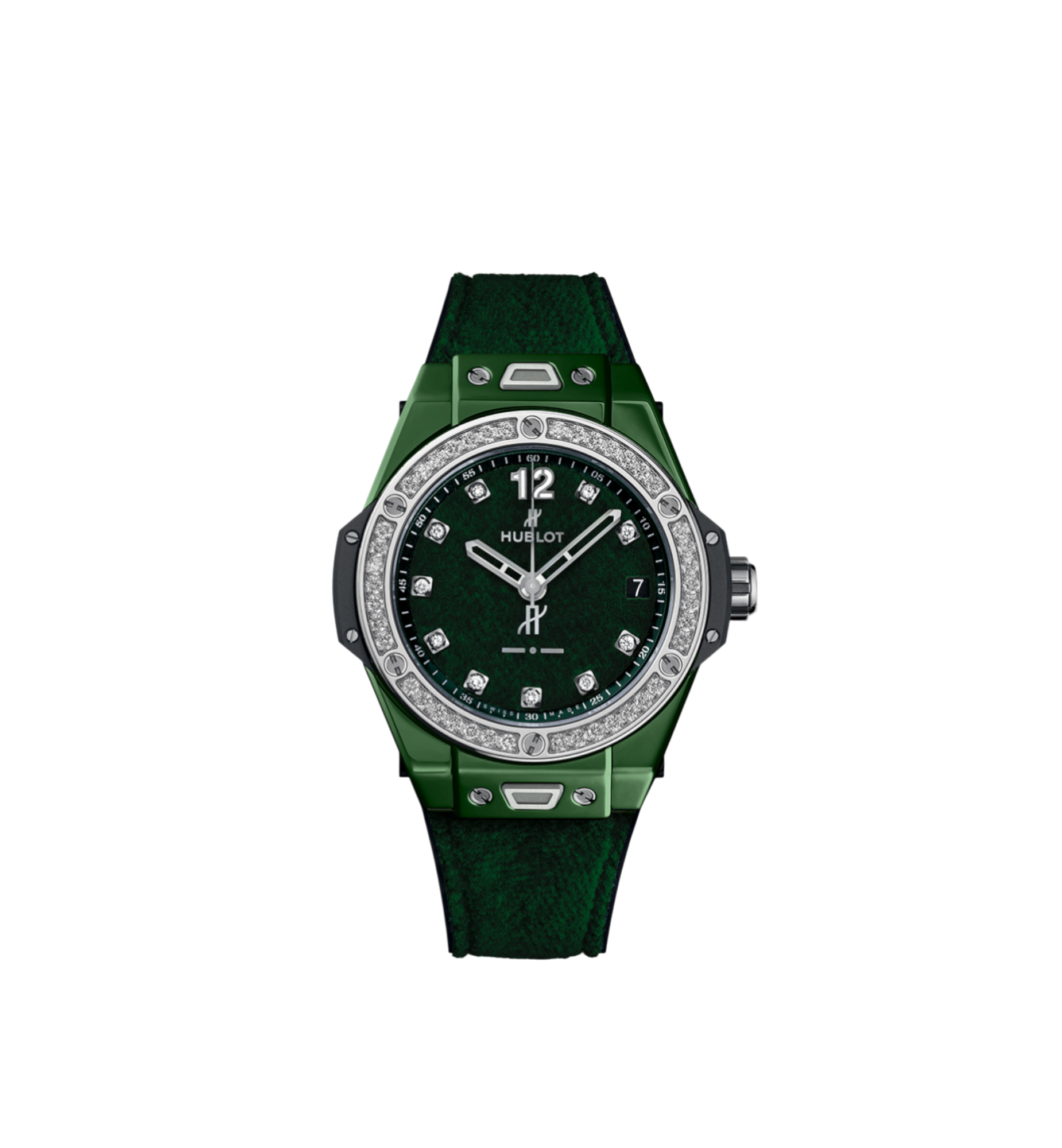
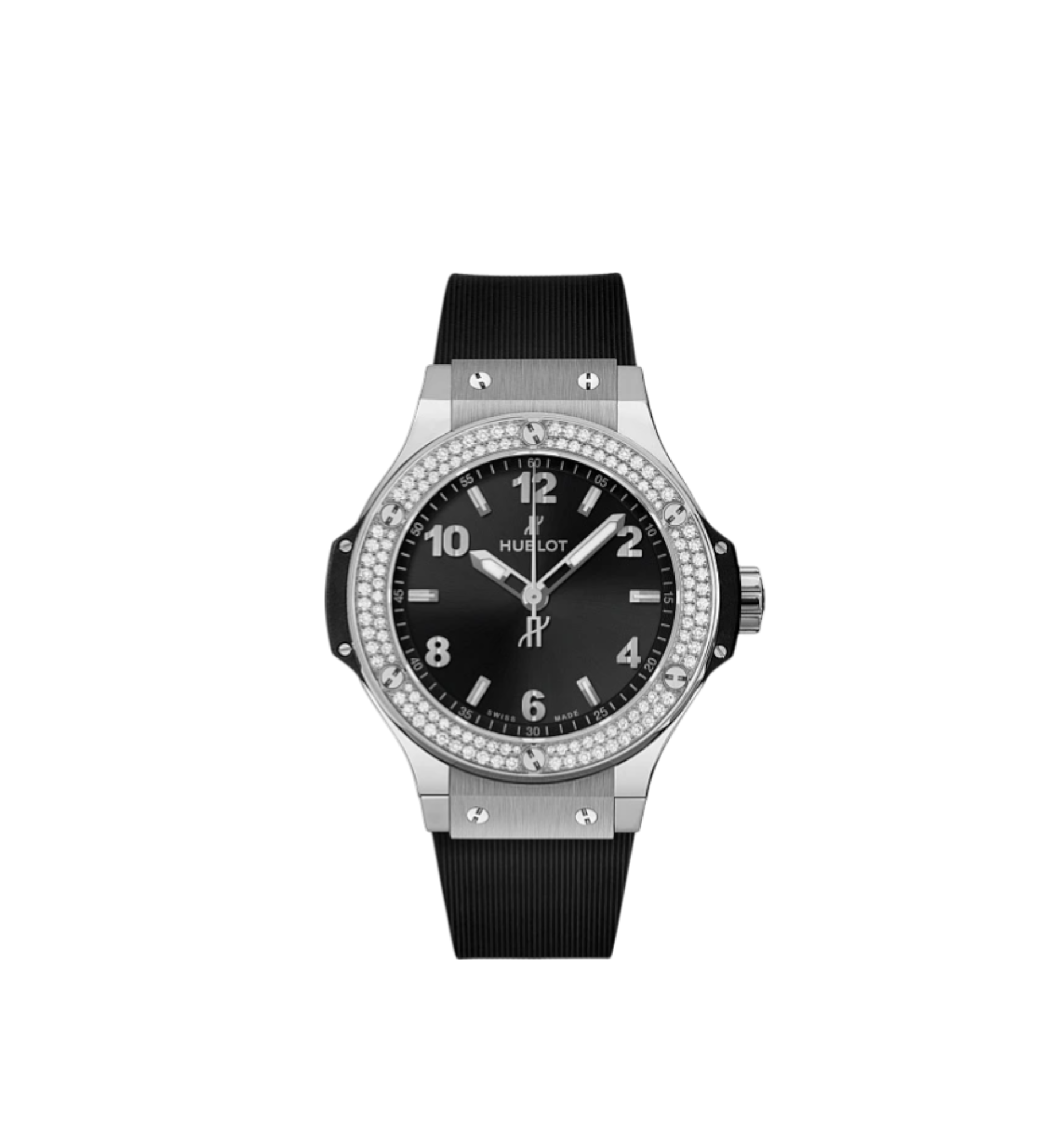
The Big Bang at Konesseur spans 38mm (Steel Diamonds), 39mm (One Click Italia Independent), and the standard 44mm to 45mm men's size. The sandwich construction adds case thickness that the Classic Fusion avoids, and the chronograph pushers on most Big Bang models add width to the case profile. This is a watch that sits on the wrist rather than hugging it. For many collectors, that presence is exactly the point. But if comfort and discretion matter more than visual impact, the Classic Fusion has an edge that the Big Bang does not attempt to match.
Movements and Complications
The mechanical content of the two collections reflects their different philosophies.
The Classic Fusion primarily uses the HUB1100 and HUB1110 calibres, which are based on proven Swiss base movements (the Sellita SW300 family) and deliver reliable automatic timekeeping with approximately 42 hours of power reserve. These are not in house movements, but they are well finished, dependable, and appropriate for the Classic Fusion's emphasis on elegance over mechanical spectacle. The Konesseur Classic Fusion collection includes time and date models, a skeleton, and a chronograph (the Mykonos edition), offering a range of complications within the collection's refined framework.
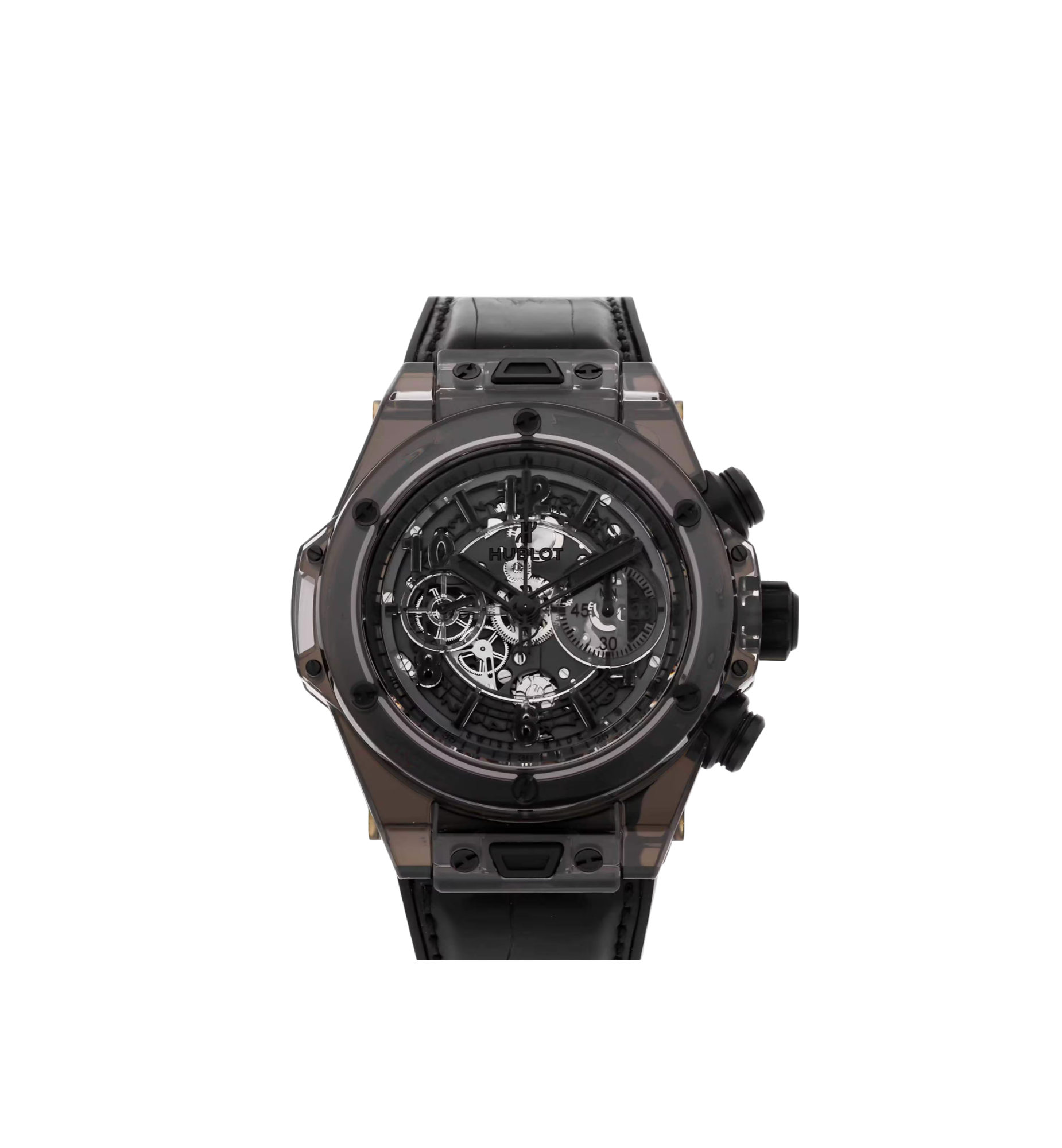
The Big Bang's mechanical story is more ambitious. The UNICO calibre, first introduced in 2010, is Hublot's 100% in house chronograph movement. It comprises 354 components, positions the chronograph module on the dial side for visibility, features a flyback function and column wheel, and delivers 72 hours of power reserve. The UNICO elevated the Big Bang from a design statement to a genuine manufacture watch. At Konesseur, the Big Bang Unico All Black Sapphire at 50,000 AED houses this movement in one of the most technically demanding cases Hublot has ever produced. If in house movement manufacturing matters to your collecting philosophy, the Big Bang with UNICO has an advantage that the Classic Fusion does not currently match in the Konesseur selection.
Materials and Innovation
Both collections explore Hublot's material vocabulary, but the Big Bang pushes further into experimental territory.
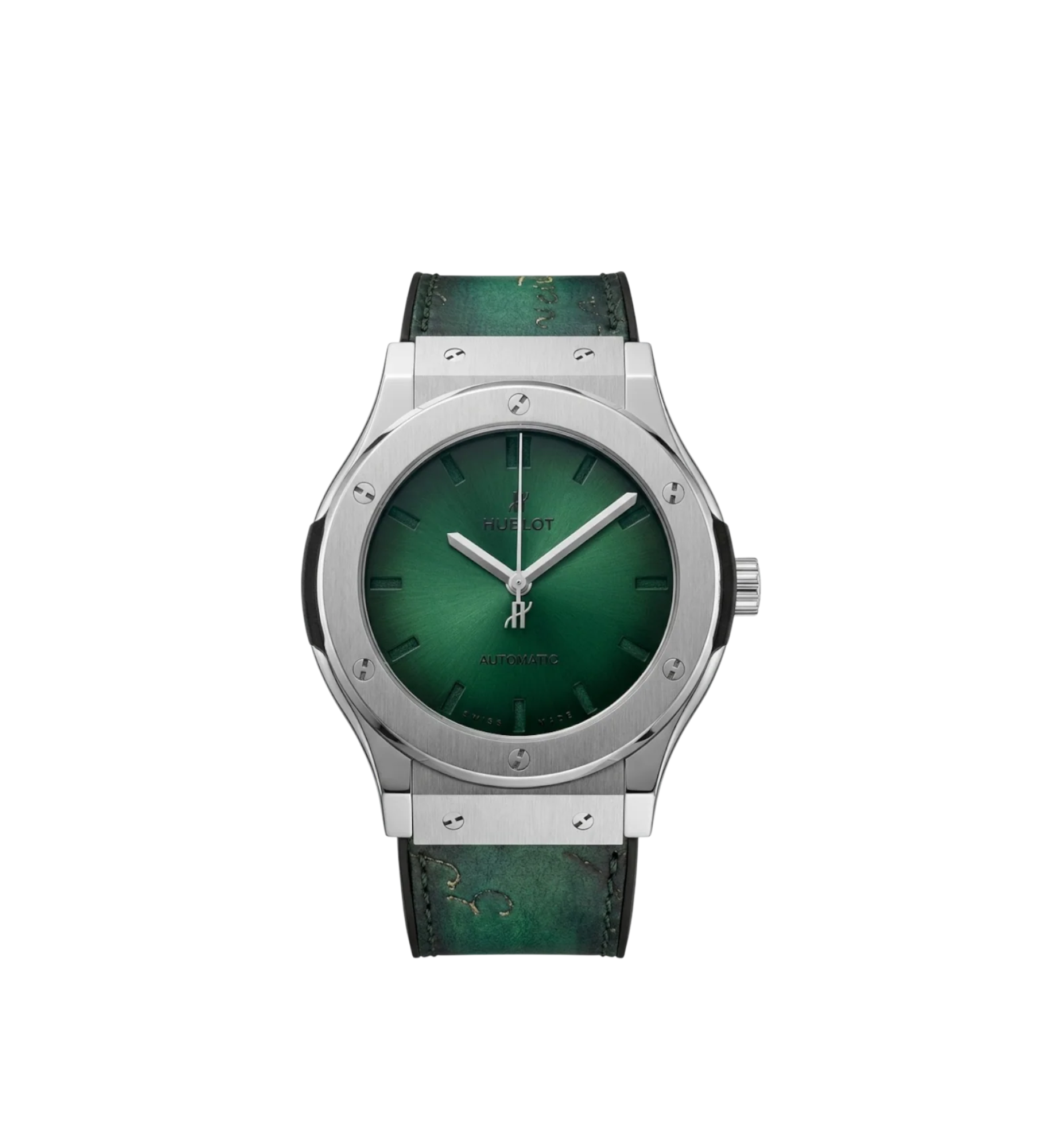
The Classic Fusion at Konesseur appears in titanium and King Gold (Hublot's proprietary rose gold alloy blended with platinum). The Berluti Scritto Emerald Green introduces Berluti's legendary Venezia leather as a dial material, which is genuinely innovative, but the overall material palette stays within refined, conventional luxury territory. The emphasis is on how materials feel and age rather than how they shock.
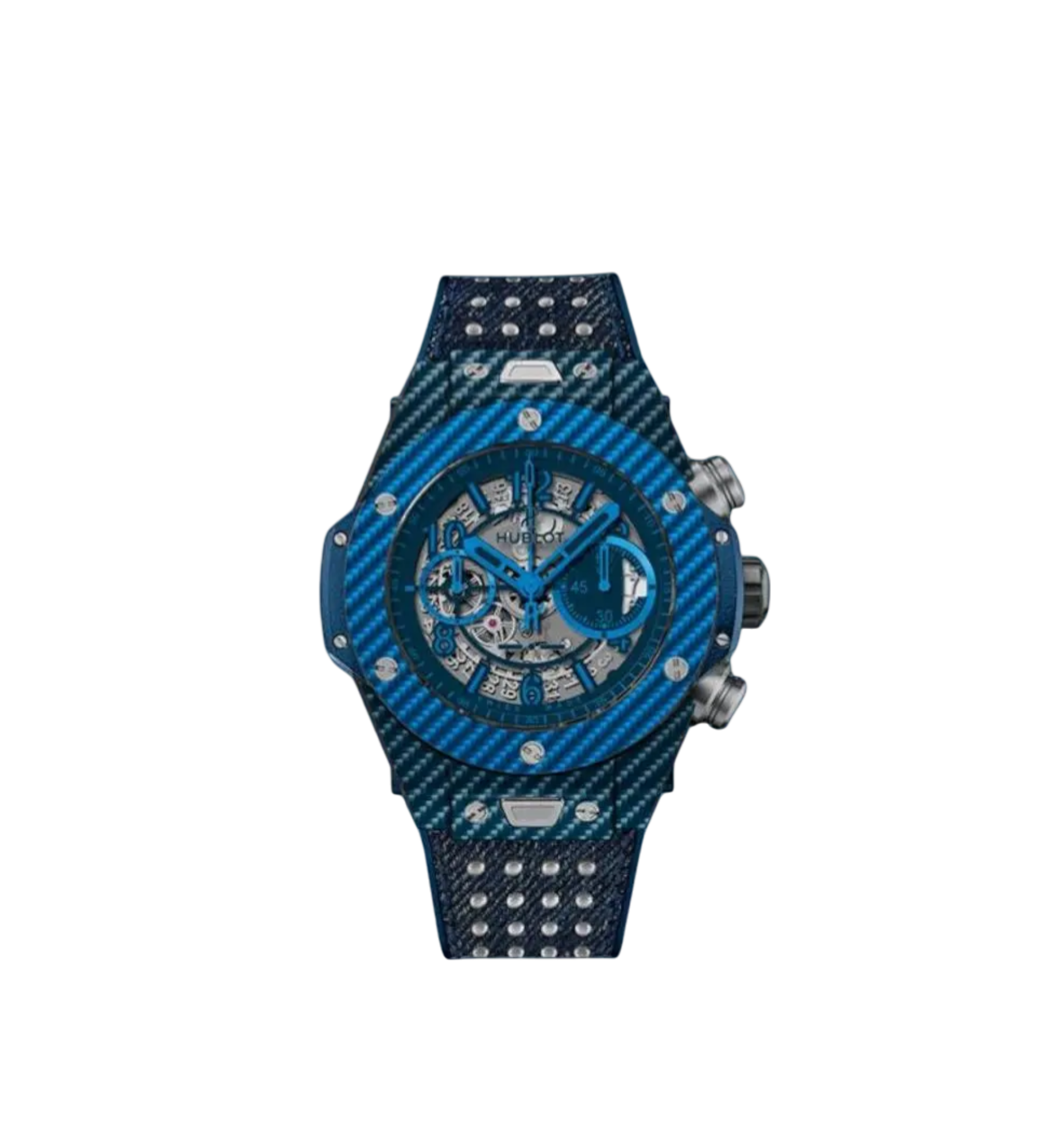
The Big Bang at Konesseur covers stainless steel, titanium, King Gold, sapphire crystal (the entire case of the Unico All Black Sapphire), and carbon fibre. The collaboration pieces add faceted geometric cases (Sang Bleu) and velvet texture (Italia Independent Blue Velvet). If material experimentation and the Art of Fusion philosophy in its most literal expression appeal to you, the Big Bang is the collection where Hublot takes its boldest risks.
Collaborations and Limited Editions
This is where the Konesseur selection adds a dimension that standard retail cannot match, and the two collections take very different approaches to creative partnership.
The Classic Fusion's collaborations tend toward cultural sophistication. The Dubai Vision series (three Arabic dial editions limited to 100 pieces each, designed with calligraphy artist Wissam Shawkat) bridges Swiss watchmaking with Arabic heritage. The Berluti Scritto Emerald Green (limited to 200 pieces for the Middle East) fuses Parisian leather craft with Swiss horology. The Chronograph Mykonos brings Mediterranean destination culture to the collection. These are partnerships that add depth and cultural resonance rather than visual disruption.
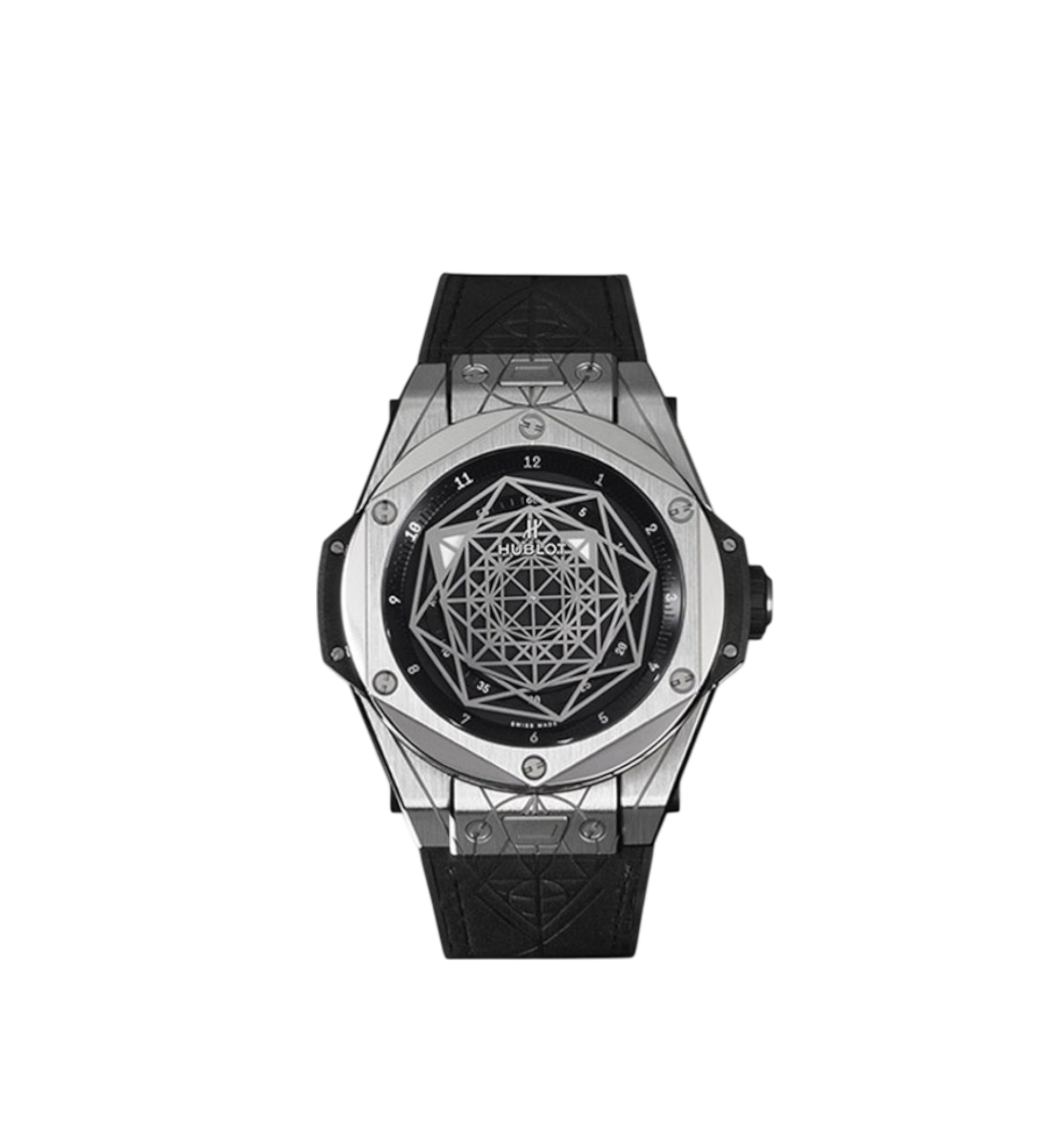
The Big Bang's collaborations are bolder and more visually transformative. The Sang Bleu with tattoo artist Maxime Plescia Büchi replaces conventional hands with geometric rotating discs and sculpts the entire case into faceted planes. The Italia Independent editions from Lapo Elkann's design house introduce fashion forward materials like velvet. The UAE National Day Limited Edition connects Swiss craft with Emirati national identity. These are partnerships that fundamentally alter what the watch looks like, not just what it represents.
Pricing Compared
At Konesseur, the two collections overlap in the mid range but diverge at the entry and upper tiers.
The Big Bang offers the lowest entry point into Hublot ownership with the Steel Diamonds 38 at 13,000 AED. The Classic Fusion's most accessible piece is the Berluti Scritto Emerald Green at 26,000 AED. If budget is a primary consideration, the Big Bang provides options from 13,000 AED that the Classic Fusion does not match.
In the mid range (25,000 to 43,000 AED), both collections offer compelling options. The Big Bang provides the Sang Bleu at 31,000 AED, the Italia Independent editions at 25,000 to 43,000 AED, and the UAE National Day at 25,000 AED. The Classic Fusion delivers the Skeleton Titanium at 31,000 AED, the Chronograph Mykonos at 37,000 AED, and the Dubai Vision Arabic dial editions at 37,000 to 43,000 AED. The choice here is purely about character rather than budget.
At the upper tier, the Big Bang reaches the Unico All Black Sapphire at 50,000 AED and the Chronograph King Gold Green at 67,000 AED. The Classic Fusion peaks with the Ultra Thin King Gold at 48,000 AED. If precious metal luxury in the slimmest profile is the goal, the Classic Fusion delivers. If technical material innovation and in house mechanical content drive your decision, the Big Bang's upper tier is where Hublot's manufacturing ambition reaches its peak.
Daily Wear vs Special Occasions
The Classic Fusion is one of the most versatile luxury watches available. Its slim profile and refined proportions move between formal business settings, social occasions, and casual weekends with an ease that few sport watches can match. The Dubai Vision Arabic dial editions are equally at home in a boardroom and at a celebration. The rubber lined leather straps handle heat and humidity well, making the Classic Fusion particularly practical for daily wear in Dubai's climate.
The Big Bang is a statement watch. It excels at occasions where you want your watch to be part of the conversation: social events, weekends, travel, and settings where personality and confidence are welcome. The collaboration pieces in particular (Sang Bleu, Italia Independent) are conversation starters by design. The Big Bang handles daily wear perfectly well in practical terms, but its visual presence means it is always being noticed, which is exactly what some collectors want and exactly what others prefer to avoid.
Which Collection Is Right for You
Choose the Classic Fusion if you want Hublot's design DNA in its most refined and versatile expression. If a slim profile that moves between settings matters to you. If regional cultural identity through the Dubai Vision Arabic dial editions resonates with your collecting. If the Berluti leather craft collaboration adds a dimension of fashion connoisseurship that you value. If your Hublot will be worn most days across multiple environments. And if understated luxury that lets people discover the watch rather than being confronted by it is your style.
Choose the Big Bang if you want bold presence and the full expression of Hublot's Art of Fusion philosophy. If visual impact and conversation matter to you. If in house movement manufacturing (the UNICO) is important to your collecting. If material innovation including sapphire crystal cases, carbon fibre, and geometric sculpted cases excite you. If collaboration pieces that fundamentally transform the watch's appearance (Sang Bleu, Italia Independent) align with your taste. And if you want the most accessible entry point into Hublot at 13,000 AED.
And of course, many collectors eventually own both. The Big Bang and Classic Fusion complement each other beautifully, covering different occasions without any overlap. A Big Bang for weekends and events alongside a Classic Fusion for the office and formal occasions is a combination that handles virtually every situation. At Konesseur, a Big Bang Steel 44 at 19,000 AED paired with a Classic Fusion Berluti Scritto at 26,000 AED creates a complete Hublot wardrobe for 45,000 AED.
Explore the full Hublot collection at Konesseur, or visit the boutique at Box Park on Al Wasl Road to experience the difference on the wrist. You can also compare Hublot alongside other leading sport watch brands including Audemars Piguet, Franck Muller, and Richard Mille in the luxury watches collection.
Frequently Asked Questions
What is the difference between Hublot Big Bang and Classic Fusion?
The Big Bang is Hublot's bold sports chronograph with sandwich construction and larger proportions, launched in 2005. The Classic Fusion is a refined reinterpretation of Hublot's original 1980 design with a thinner profile and more versatile aesthetic, launched in 2008. Both share the porthole case and H shaped bezel screws.
Which is bigger, the Big Bang or Classic Fusion?
The Big Bang is generally larger and thicker. At Konesseur, Big Bang models range from 38mm to 45mm with substantial case thickness. The Classic Fusion comes in 42mm and 45mm with a slimmer profile. A 45mm Classic Fusion feels less imposing than a 45mm Big Bang.
Which collection has better movements?
The Big Bang has the edge with the UNICO, Hublot's first 100% in house chronograph (354 components, flyback, 72 hour reserve). The Classic Fusion uses HUB1100/HUB1110 calibres based on Swiss ébauche movements (42 hour reserve). Both are reliable, but the UNICO represents manufacture level watchmaking.
Which is more expensive?
The Big Bang offers both the lowest entry (13,000 AED) and the highest price (67,000 AED) at Konesseur. The Classic Fusion ranges from 26,000 to 48,000 AED. In the mid range, both offer compelling options. Browse the full Hublot collection to compare.
Which is better for daily wear?
The Classic Fusion is more versatile, moving between settings with its slim profile. The Big Bang handles daily wear practically but its bold presence means it is always being noticed. Choose Classic Fusion for everyday versatility, Big Bang for daily statement making.
What collaborations are available at Konesseur?
The Big Bang carries the Sang Bleu, Italia Independent, and UAE National Day editions. The Classic Fusion features three Dubai Vision Arabic dial editions, the Berluti Scritto Emerald Green, and the Mykonos chronograph.
What is the cheapest Hublot at Konesseur?
The Big Bang Steel Diamonds 38 at 13,000 AED. The cheapest Classic Fusion is the Berluti Scritto at 26,000 AED. If budget is primary, the Big Bang provides lower entry points.
What is Hublot King Gold?
Hublot's proprietary rose gold alloy blended with platinum for warmth and fade resistance. It appears in both collections at Konesseur: the Big Bang King Gold Green (67,000 AED) and Classic Fusion Ultra Thin King Gold (48,000 AED).
Can I own both?
Many collectors do. A Big Bang Steel 44 (19,000 AED) paired with a Classic Fusion Berluti Scritto (26,000 AED) creates a complete Hublot wardrobe for 45,000 AED covering every occasion.
What is the Sang Bleu?
A collaboration with Swiss tattoo artist Maxime Plescia Büchi featuring geometric rotating disc hands and a faceted case. The collaboration began in 2016. Konesseur carries the titanium edition at 31,000 AED in the Big Bang collection.
What are the Dubai Vision watches?
Limited edition Classic Fusion watches with Arabic numerals by calligraphy artist Wissam Shawkat. Each limited to 100 pieces. Konesseur carries three editions (37,000 to 43,000 AED). No longer available at retail.
Is Hublot cheaper in Dubai?
Yes. The UAE's 5% VAT versus 20% in Europe creates savings at every price point. Combined with pre owned pricing and access to sold out limited editions, Dubai is one of the best markets for luxury watches including Hublot.
Share
Hublot Big Bang
 Same Day Delivery
 Same Day Delivery
 Same Day Delivery
 Same Day Delivery
 Same Day Delivery
 Same Day Delivery
 Same Day Delivery
 Same Day Delivery