




How to Care for Luxury Bags and Watches in Dubai's Climate
Dubai's climate is extraordinary for living but challenging for luxury goods. Summer temperatures exceeding 45°C, humidity regularly above 80%, aggressive air conditioning cycling between 18°C indoors and 45°C outdoors, and fine sand particles in the air create a combination of stresses that most luxury care guides written for European or American climates never address. If you own a Hermès bag, a Rolex watch, a Cartier bracelet, or any piece of luxury leather, metal, or gemstone in the UAE, this guide covers what you actually need to know to protect your investment.
Every piece in the Konesseur collection is cared for under these same principles before listing. Here is how to apply them at home.
Leather Bags: The Complete Dubai Care Guide
The Enemy: Humidity and Temperature Cycling
Dubai's humidity is the biggest threat to luxury leather. Leather is a natural material that absorbs and releases moisture depending on its environment. When you carry a bag in 45°C heat at 80% humidity and then walk into a 20°C air-conditioned space, the rapid temperature and humidity change causes the leather to expand and contract repeatedly. Over months and years, this cycling can cause cracking, colour fading, and structural weakening, particularly in drier leathers like Hermès Epsom and Chanel caviar.
The solution is controlling the storage environment, not the carrying environment. You cannot avoid the temperature cycling when carrying your bag. But you can ensure that when the bag is stored, it is in a stable, cool, dry space.
Storage
Always store stuffed. Use acid-free tissue paper or a bag pillow to maintain shape. Never stuff with newspaper (the ink transfers) or coloured tissue (dye can bleed in humid conditions). Hermès bags should be stuffed to approximately 80% capacity to maintain shape without stretching the leather.
Use the dust bag. Every luxury bag comes with a dust bag for a reason. It protects against dust, light exposure, and minor humidity fluctuations. Store every bag in its dust bag without exception. If you have lost the original, a breathable cotton pillowcase works as a substitute. Never use plastic bags, which trap moisture and create mould risk in Dubai's humidity.
Add silica gel packets. This is the single most important Dubai-specific care step. Place two to three fresh silica gel packets inside each stored bag to absorb excess moisture. Replace them every two to three months. In Dubai's humidity, silica gel is not optional. It is essential. You can find food-grade silica gel packets at most packaging supply stores in Al Quoz or online.
Store in a cool, dark, ventilated space. A wardrobe or closet with consistent air conditioning is ideal. Avoid storing bags in direct sunlight, near windows, or in spaces that experience wide temperature swings (like a car, a garage, or an outdoor storage unit). The ideal storage temperature is 18 to 22°C with humidity below 55%.
Never stack bags on top of each other. Weight causes permanent dents and creases in leather. Store bags upright with space between each one for air circulation.
Conditioning and Cleaning
Condition every 3 to 4 months. Dubai's air conditioning removes moisture from air, which dries leather faster than in more temperate climates. A high-quality leather conditioner (Saphir Renovateur, Cadillac Select, or brand-specific options) applied sparingly with a soft cloth every three to four months keeps leather supple. Test on an inconspicuous area first. Less is more. A thin, even layer is sufficient.
Wipe down after every use in summer. During the hotter months (May to October), wipe your bag with a soft, dry microfibre cloth after each use to remove any perspiration or moisture that may have transferred from your hands or body. Sweat contains salt and oils that can stain leather over time if left untreated.
Clean hardware separately. Gold-plated and palladium hardware can tarnish faster in humid, salty air (particularly for residents near the coast). Wipe hardware with a dry microfibre cloth after use. For deeper cleaning, a jewellery polishing cloth works well. Never use water or chemical cleaners on bag hardware.
Brand-Specific Leather Notes
Hermès Togo and Clemence: These grained leathers handle Dubai's climate well. Condition every 3 to 4 months. Avoid prolonged sun exposure, which can fade colour. If caught in rain (rare but possible), pat dry immediately with a soft cloth and allow to air dry naturally, never use a hairdryer. For the full leather breakdown, read our Hermès leather guide.
Hermès Epsom: The most durable Hermès leather for Dubai. Water resistant and scratch resistant. Requires less conditioning than Togo or Clemence but should still be treated every 4 to 6 months to prevent the embossed grain from becoming brittle in air-conditioned environments.
Hermès Swift and Box Calf: These smooth leathers are the most sensitive to Dubai's climate. They scratch easily, show fingerprints, and are not water resistant. Handle with clean, dry hands. Store with extra care. Condition every 2 to 3 months. Swift develops patina over time, which many collectors find beautiful, but it requires more attention than grained leathers.
Chanel caviar: Highly durable and well suited to Dubai. The textured grain conceals minor wear. Condition every 4 to 6 months. The biggest risk is colour transfer from clothing in humid conditions, particularly with lighter caviar colours. Avoid wearing light-coloured Chanel bags against dark clothing in summer when perspiration increases contact moisture.
Chanel lambskin: Requires the most care of any common luxury leather. Scratches easily, shows wear quickly, and is not water resistant. In Dubai's climate, store with silica gel and condition every 2 to 3 months. Consider lambskin Chanel bags as "special occasion" pieces rather than daily carries in summer months.
Louis Vuitton canvas: Coated canvas is remarkably durable and handles humidity well. The concern is the Vachetta leather trim on Monogram and Damier Azur bags, which is untreated leather that absorbs moisture, oils, and stains readily. In Dubai, Vachetta will develop patina faster due to humidity and heat. Protect new Vachetta with a thin layer of leather protector (Apple Garde or Collonil Carbon Pro) before first use. Avoid setting the bag on surfaces where the Vachetta trim contacts moisture.
Goyard Goyardine: The hand-painted canvas is durable but can be sensitive to prolonged heat exposure. Avoid leaving a Goyard bag in a hot car. Store with silica gel. The leather trim should be conditioned every 4 to 6 months. For more on Goyard care and pricing, see our Goyard Dubai price guide.
Luxury Watches: The Complete Dubai Care Guide
The Enemy: Heat, Humidity, and Sand
Dubai's climate poses three specific threats to luxury watches. Heat can affect lubricant viscosity inside the movement, potentially altering timekeeping accuracy. Humidity can compromise gasket integrity if seals are not maintained. And fine sand particles, particularly during sandstorm season, can penetrate gaps between case and crown if the crown is not fully screwed down, causing abrasion on moving parts.
Daily Care
Always screw down the crown. This sounds obvious, but it is the single most common cause of water and dust damage. After setting the time or date, always screw the crown fully back into the case. In Dubai, where fine sand is airborne regularly, an unscrewed crown is an open invitation for particles to enter the case.
Rinse after beach or pool exposure. If you swim or spend time near the coast wearing your watch (and it is rated for water resistance), rinse the watch and bracelet with fresh water afterwards. Saltwater and chlorine left on metal and gaskets accelerate corrosion. A brief rinse under the tap is sufficient. Dry with a soft cloth.
Wipe the bracelet regularly. Steel and gold bracelets accumulate sweat, sunscreen, and dust between links. In Dubai's heat, this build up is faster than in cooler climates. Wipe the bracelet with a slightly damp soft cloth weekly and dry thoroughly. For deeper cleaning, a soft toothbrush with warm soapy water works well. Avoid submerging watches without verified water resistance.
Avoid extreme temperature shocks. Going from a 45°C outdoor environment directly into an 18°C air-conditioned space can cause condensation inside the crystal on watches with compromised gaskets. If you notice condensation under the crystal, have the watch serviced immediately, as moisture inside the case can damage the movement.
Service Intervals
Dubai's climate may warrant slightly shorter service intervals than the manufacturer's standard recommendation, particularly for watches worn daily outdoors.
| Brand | Manufacturer Recommendation | Dubai Adjustment (Daily Wear) |
|---|---|---|
| Rolex | Every 10 years | Every 7 to 8 years |
| Patek Philippe | Every 3 to 5 years | Every 3 to 4 years |
| Audemars Piguet | Every 5 to 8 years | Every 5 to 6 years |
| Cartier | Every 5 to 7 years | Every 5 to 6 years |
| Hublot | Every 3 to 5 years | Every 3 to 4 years |
| Richard Mille | Every 3 to 5 years | Every 3 years |
Service includes movement cleaning and lubrication, gasket replacement (critical for water resistance), case and bracelet polishing (optional), and accuracy regulation. Service costs range from approximately AED 3,000 (Rolex) to AED 15,000+ (Richard Mille). For more on what to expect, read our watch collection guide which includes service budgeting advice.
Watch Storage
Use a watch box or roll. Store watches in a padded watch box or travel roll that keeps each piece separated. Watches stored loose in a drawer can scratch each other. The cushion inside should be firm enough to hold the watch securely without compressing the bracelet.
Keep automatic watches wound. If you rotate between multiple watches, an automatic winder prevents lubricants from settling and keeps the movement running. A good winder runs the watch for approximately 8 hours per day and rests for 16. Over-winding is not a concern with modern automatic movements, but continuous winding is unnecessary and wastes energy.
Store in a climate-controlled space. Like bags, watches should be stored in a cool, stable environment. Avoid leaving watches in a car (temperatures inside a parked car in Dubai can exceed 70°C), near windows, or in bathrooms where steam can compromise gaskets.
Jewellery: The Complete Dubai Care Guide
Gold Jewellery
18K gold jewellery from Cartier, Van Cleef & Arpels, and Bulgari is inherently durable, but Dubai's environment creates specific care considerations.
Remove before swimming in the sea. Saltwater does not damage 18K gold directly, but it can dull the finish, affect gemstone settings, and leave residue between chain links or bracelet joints. Chlorinated pool water can discolour certain gold alloys over time, particularly white gold and rose gold. Remove jewellery before swimming or rinse thoroughly with fresh water immediately after.
Apply perfume and sunscreen before putting on jewellery. Chemical compounds in perfume, sunscreen, and lotions can react with gold alloys and accelerate tarnishing. Apply products first, let them absorb fully, then put on your jewellery. This is especially important for Cartier Love bracelets worn 24/7, which are constantly exposed to whatever touches your skin.
Clean regularly. Warm water, a drop of mild dish soap, and a soft toothbrush remove build up from daily wear. Rinse thoroughly and pat dry with a lint-free cloth. For Cartier Love and Juste un Clou bracelets, pay particular attention to the screw mechanism areas where residue accumulates. For the investment perspective on these pieces, see our gold jewellery investment guide.
Gemstone and Mother of Pearl Jewellery
Van Cleef & Arpels Alhambra pieces with mother of pearl, onyx, malachite, or carnelian require specific care. Mother of pearl is organic material (nacre from shells) and is porous. It can be damaged by chemicals, prolonged water exposure, and extreme heat. Never wear mother of pearl Alhambra pieces in the pool or shower. Avoid spraying perfume directly onto the motifs. Store in the original pouch or a soft cloth wrap to prevent scratching against harder materials.
Malachite is softer than mother of pearl and even more vulnerable to chemicals and moisture. Wipe with a dry soft cloth only. Onyx is more durable but can chip if impacted against hard surfaces. Carnelian handles daily wear well but benefits from the same chemical-avoidance practices as mother of pearl.
Diamond Jewellery
Diamonds are the hardest natural material and extremely durable. However, the metal settings that hold diamonds can be affected by Dubai's climate. Heat causes metal to expand, which over time can loosen prong settings. Have diamond jewellery inspected by a professional annually to ensure settings remain secure. A loose prong in a humid environment where your hands perspire more is a recipe for losing a stone.
Sunglasses and Eyewear
Luxury sunglasses from Cartier, Dior, and Chanel face specific Dubai challenges. Heat can warp acetate frames if left in a car. UV exposure is intense year round, which accelerates lens coating degradation. Store in a hard case when not in use. Clean lenses with the provided microfibre cloth and lens spray, never with clothing or tissue, which can scratch coatings. Replace lenses if the UV coating degrades, as compromised UV protection is worse than no sunglasses at all.
The Emergency Guide
If your bag gets wet: Pat dry immediately with a soft cloth. Stuff with acid-free tissue or clean paper towels to absorb internal moisture and maintain shape. Allow to air dry in a cool, ventilated space. Never use a hairdryer, radiator, or direct sunlight to speed drying. Once fully dry, apply conditioner.
If your watch shows condensation under the crystal: Have it serviced immediately. Moisture inside the case can corrode the movement within days. Do not attempt to open the case yourself.
If your gold jewellery becomes discoloured: A professional jeweller can polish and restore the finish. For daily cleaning, warm soapy water and a soft brush resolve most surface discolouration. White gold pieces may need replating (rhodium plating wears off faster in Dubai's climate due to increased skin contact moisture).
If sand gets into your watch crown: Do not force the crown in or out. Take the watch to a professional service centre. Forcing a sand-contaminated crown can damage the gasket seal and scratch the crown tube.
The Seasonal Calendar
| Season | Key Action |
|---|---|
| October (Cooling begins) | Condition all leather bags. Check silica gel packets in storage. Inspect watch bracelets for summer build up. |
| January (Coolest month) | Best time for professional watch servicing (workshops less busy). Inspect jewellery prong settings. |
| March (Warming up) | Apply leather protector to Vachetta trim before summer. Replace silica gel packets. Freshen conditioning on bags you plan to carry in summer. |
| June (Peak heat begins) | Switch to more durable leathers for daily carry (Epsom, caviar, coated canvas). Store delicate pieces (Swift, lambskin, Box Calf) with extra silica gel. Rinse watches after any outdoor exposure. |
Frequently Asked Questions
How do I store luxury bags in Dubai?
Stuffed with acid-free tissue, inside their dust bags, with silica gel packets, in a cool air-conditioned closet. Never in plastic bags, never stacked, and never in spaces with temperature fluctuations. Replace silica gel every 2 to 3 months.
How often should I condition my Hermès bag in Dubai?
Every 3 to 4 months for Togo and Clemence. Every 4 to 6 months for Epsom. Every 2 to 3 months for Swift and Box Calf. Use a high-quality leather conditioner sparingly. Always test on an inconspicuous area first.
Can I wear my Rolex in the Dubai sea?
Yes, if the watch is rated for water resistance (Submariner, GMT-Master, Yacht-Master, Sea-Dweller) and the crown is fully screwed down. Always rinse with fresh water after saltwater exposure. Have gaskets checked at service intervals. Avoid operating the crown or pushers while in the water.
Does Dubai's heat damage luxury watches?
Extreme heat can affect movement lubricant viscosity and accuracy. Modern Rolex, Patek, and AP movements are designed to operate within normal temperature ranges, but prolonged exposure to 45°C+ environments (like leaving a watch in a car) should be avoided. Air-conditioned indoor environments are safe for all luxury watches.
How do I clean a Cartier Love bracelet?
Warm water, a drop of mild dish soap, and a soft toothbrush. Pay attention to the screw mechanism areas where residue builds up. Rinse thoroughly and pat dry with a lint-free cloth. For deeper cleaning or scratch removal, visit a professional jeweller. Read more about Cartier jewellery investment value in our Cartier Love vs Juste un Clou guide.
Should I get my watch serviced more often in Dubai?
Yes, slightly. Dubai's heat and humidity can accelerate gasket degradation and lubricant breakdown compared to temperate climates. We recommend servicing 1 to 2 years earlier than the manufacturer's standard interval if you wear your watch daily outdoors in summer months.
Where can I buy luxury goods that have been properly cared for in Dubai?
Every piece at Konesseur is stored, handled, and authenticated under climate-controlled conditions before listing. Browse our watches, handbags, and jewellery collections, or visit our Dubai boutique to inspect any piece in person.
Share
Luxury Women’s Handbags






Read more
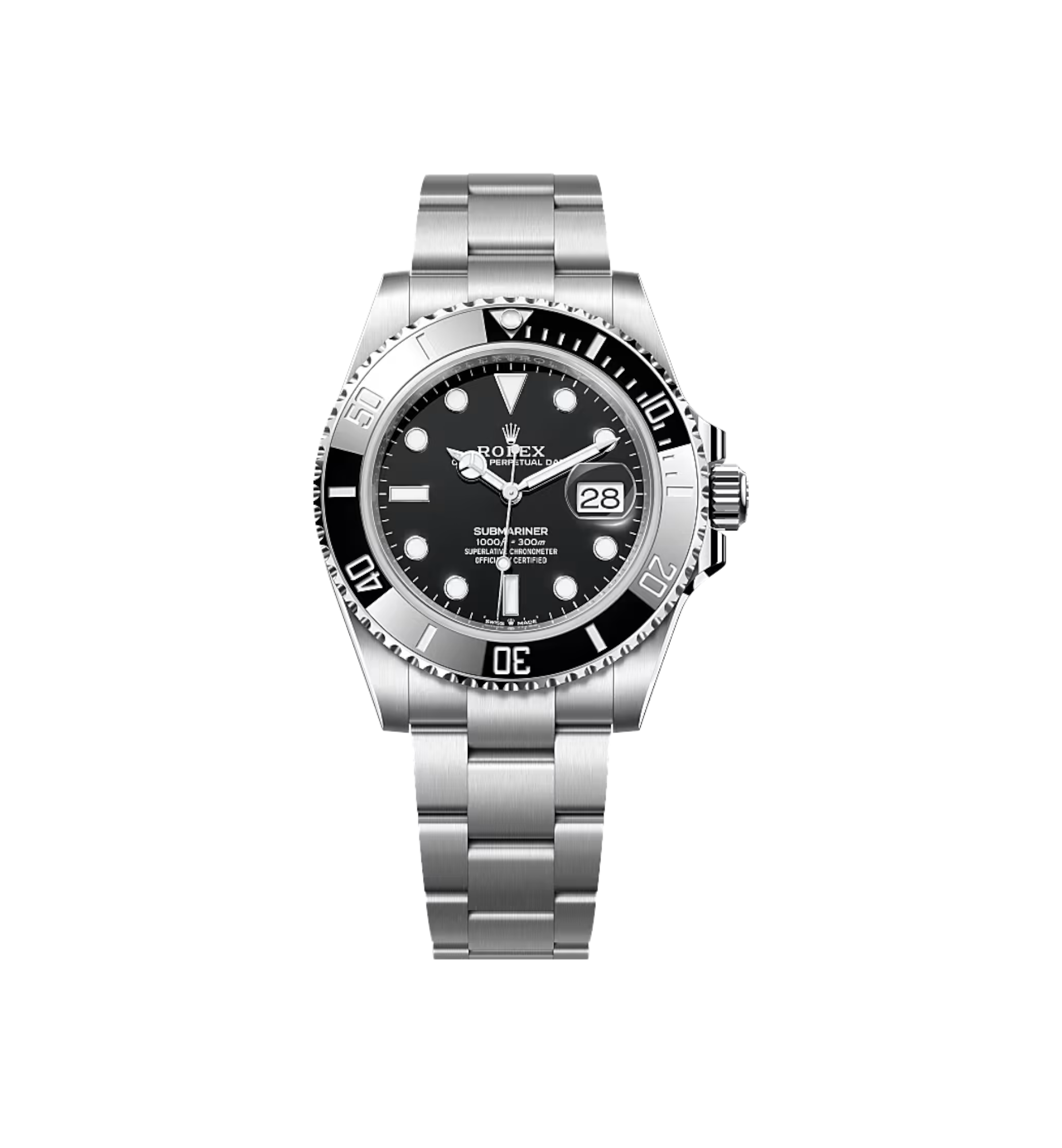
Rolex Submariner Buying Guide 2026
The Rolex Submariner is the most famous dive watch ever made. It is also the most counterfeited, the most discussed, and the most traded luxury watch on the secondary market. Since 1953, when Role...

Best Luxury Gifts for Men in Dubai 2026
Buying a luxury gift for a man is a different exercise to buying one for yourself. You are choosing something that reflects how well you know someone. Their taste, their daily habits, what they re...