



Are Hermès Bags a Good Investment in Dubai? What the 2026 Data Shows
Every year, the same question gets asked. Every year, the data comes back with the same answer. Hermès raised boutique prices on the Birkin and Kelly by between 6.3 and 8.9 percent in January 2026. That is the fourth consecutive year of increases in that range. Meanwhile, Sotheby's reported that Birkin and Kelly bag sales grew 44 percent year over year in 2025, with average selling prices rising 35 percent. Demand is not softening as retail prices rise. It is accelerating.
This article is not going to tell you that a Hermès bag is definitely a good investment, because no one can guarantee that. What it will do is lay out the actual numbers, the structural reasons behind the performance, the differences between what the Birkin, Kelly, and Constance do in the secondary market, and the specific advantages Dubai buyers have that buyers in London or New York do not. After that, the decision is yours.
If you want to explore the collection while reading, the Hermès collection at Konesseur covers authenticated pieces across the Birkin, Kelly, and Constance.
The Retail Price Trajectory: Ten Years of Evidence
The most straightforward way to understand the Hermès investment case is to look at what retail prices have done since 2016. A Birkin 25 in Togo leather retailed in the United States for approximately $9,400 in 2016. By 2026, the same bag retails for $13,500. That is a 43.6 percent increase at boutique over ten years, averaging roughly 3.7 percent per year, though the pace has steepened considerably since 2022. The Birkin 30 moved from approximately $10,900 in 2016 to $14,900 in 2026.
In Europe, the Birkin 25 in Togo moved from around €6,300 in 2016 to €9,600 in 2026. In Dubai, where prices track closely to European levels plus the UAE's 5 percent VAT, the current retail equivalent sits at approximately AED 39,200 to AED 40,500 for the Birkin 25 depending on the leather. For context, a bag that would have cost roughly AED 25,900 a decade ago now costs AED 39,200 to buy new at a boutique and AED 100,000 to AED 110,000 to buy on the secondary market in pristine condition and a desirable colour.
That gap, between retail and secondary market, is the entire investment story. Hermès creates it deliberately and maintains it structurally. Understanding why it exists, and whether it will continue to exist, is the real question.
Why the Gap Between Retail and Secondary Market Exists
The Birkin and Kelly are quota bags. This means that at Hermès boutiques worldwide, they are not available for purchase on demand. Clients must build a purchasing relationship with a specific boutique over months or years, spending consistently on other Hermès products, before being offered the opportunity to buy one. Even then, the specific model, colour, and size depends on boutique availability, not client preference. Special orders, where a client can specify their exact configuration, are a separate process that is rarer still.
This allocation system is not a temporary measure. It has been in place for decades and is a deliberate operational philosophy. Hermès produces its bags at a pace governed by the artisans who make them, not by market demand. Each bag takes one artisan between 18 and 24 hours to produce by hand. There are no assembly lines. Training a new artisan takes two years before they produce their first piece. Production cannot be scaled up to meet a surge in demand, and Hermès has no intention of trying to scale it up.
The result is that global demand for quota bags consistently and substantially exceeds supply. Anyone who cannot access a Birkin or Kelly through the boutique allocation system, which is most buyers, must pay the secondary market premium to acquire one. As long as the allocation system remains in place and production remains constrained, that premium is structurally supported. There is no version of events in which the Birkin becomes easy to buy at retail without destroying the very exclusivity that makes it desirable.
The 2025 and 2026 Secondary Market: What the Data Actually Shows
Sotheby's publishes the clearest consistent data on Hermès secondary market performance. Their 2025 figures showed Birkin and Kelly bag sales growing 44 percent year over year, with average selling prices rising 35 percent. Since 2021, Sotheby's has sold nearly $160 million in Birkin and Kelly bags. These numbers describe a market that is expanding and where prices are rising simultaneously, which is not the behaviour of a speculative bubble approaching its peak. It is the behaviour of a market where demand is structurally supported by something that does not change.
Pristine Birkin 25 and Birkin 30 models currently trade at Sotheby's at around $28,000 to $30,000, equivalent to approximately AED 103,000 to AED 110,000. Against a 2026 boutique retail price of approximately AED 39,200 for the Birkin 25 and AED 54,700 for the Birkin 30, this represents a secondary market premium of roughly 2 to 2.5 times retail for classic leathers and colours in pristine condition. As Sotheby's noted in their January 2026 analysis, if Hermès continues to raise prices at a similar pace, secondary market values are expected to follow rather than compress.
One nuance worth naming honestly: the Constance tells a slightly different story. Sotheby's 2025 data showed Constance demand softening compared to prior years, with both sales volume and average prices declining modestly from 2024 and 2023 levels. Standard leather Constance examples trade broadly at or near retail rather than at the Birkin and Kelly premium. The investment case for the Constance is strongest in exotic leathers, limited editions, and vintage examples with enamel or exotic skin hardware, where premiums can be significant. The Constance 24 Himalaya Crocodile sold at Sotheby's for the equivalent of approximately AED 367,000, which is not a standard leather performance.
The Birkin, the Kelly, and the Constance: Different Investment Profiles
The three main Hermès bag families do not perform identically in the secondary market. Understanding the differences matters for anyone making a purchasing decision with investment in mind.
The Birkin
The Birkin is the most traded and most recognised Hermès bag in the secondary market. The Birkin in classic sizes (25 and 30) and classic leathers (Togo, Epsom) in neutral colours (Black, Gold, Etoupe, Etain) produces the most consistent and liquid secondary market performance. The Birkin 25 has strengthened its position over the last five years relative to the Birkin 30, as collector preference has moved toward compact sizes. A pristine Birkin 25 in Black Togo with gold hardware is as close to a liquid luxury asset as exists in the handbag market.
Exotic skin Birkins, particularly in Niloticus Crocodile, occupy a completely different performance tier. The most expensive Birkin ever sold at auction achieved over $380,000. The Himalaya Birkin, in gradient-dyed white Niloticus Crocodile with diamond-set palladium hardware, is in a category of its own and trades on a completely different buyer pool from standard leather.
The Kelly
The Kelly has historically traded at a slight discount to the Birkin in the secondary market. That discount has been narrowing consistently since 2021, and in the compact sizes, the gap has essentially closed. The Mini Kelly 20 now achieves premiums of 150 to 180 percent above boutique retail in pristine condition, rivalling the Birkin 25 as the secondary market's strongest small-bag performer. The Kelly 25 and Kelly 28 Sellier in Box Calf remain the most formally desirable references and command consistent premiums in the collector market.
One advantage the Kelly has over the Birkin from a pure investment standpoint is the Sellier vs Retourne distinction. A Sellier Kelly in a classic leather and colour holds a consistent premium over an equivalent Retourne, creating a specific configuration that outperforms other Kelly examples in a predictable way. Understanding which construction performs best with which leather is part of buying intelligently.
The Constance
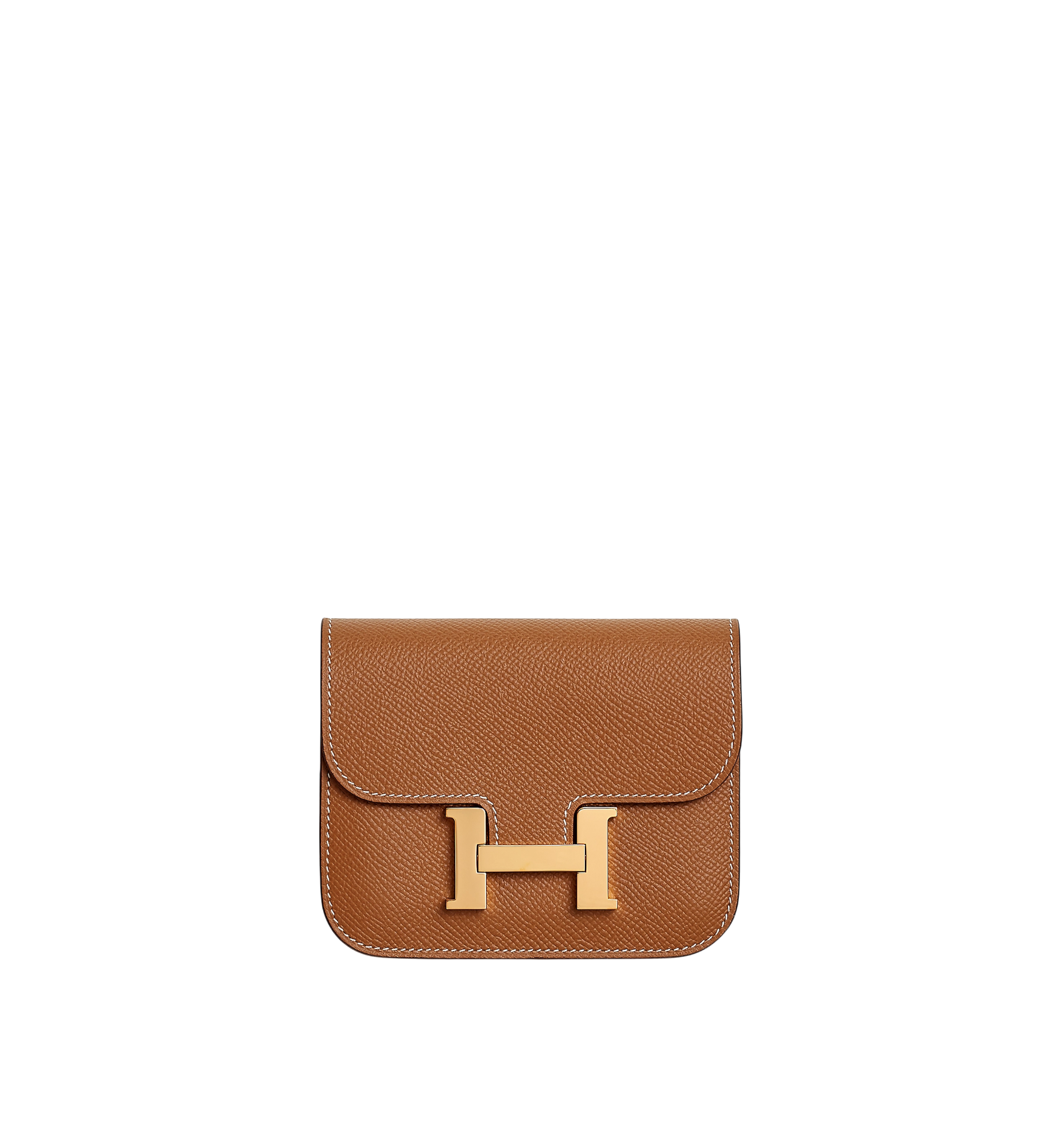
The Constance is the third member of Hermès' quota bag trinity but with a more nuanced investment profile than the Birkin and Kelly. Standard leather examples in common colours trade near or at retail rather than at significant premiums. The investment case strengthens considerably for exotic skin examples, enamel clasp editions, HSS (Horseshoe Stamp) custom colour configurations, and vintage examples in Box Calf from the 1960s and 1970s where patina and provenance matter. Sotheby's has sold nearly $10 million in Constance pieces since 2021, confirming that serious money moves through this market, but the Constance requires more selectivity than the Birkin or Kelly to achieve strong investment returns.
The Dubai Advantage: Why This Market Is Different
The investment case for Hermès bags improves meaningfully when the purchase is made in Dubai. The United Arab Emirates charges zero import duty on leather goods and a 5 percent VAT rate. Compare this to the United Kingdom at 20 percent VAT, France and most of Europe at 20 percent VAT, and the United States at 8 to 10 percent sales tax depending on state.
On a Birkin 30 secondary market purchase at AED 103,000, the tax saving versus a UK purchase is approximately AED 13,400. On a Himalaya Birkin at AED 1,400,000, the saving is approximately AED 180,000. Dubai's tax structure does not just make Hermès more pleasant to buy here. At high price points, it materially changes the acquisition economics.
Dubai's broader luxury market context reinforces this. The UAE hosts some of the highest concentrations of ultra-high-net-worth individuals globally, creating a deep local secondary market that supports liquidity when selling. International buyers regularly acquire Hermès pieces through Dubai for the tax advantage and immediate availability that boutique allocation does not provide in their home markets. Konesseur's international shipping process makes Dubai pricing available to buyers worldwide.
The Practical Investment Framework: What to Look For
If you are approaching a Hermès purchase with investment performance in mind, the factors that produce the strongest returns are consistent and well documented.
Size
Smaller sizes outperform larger sizes in the current secondary market. The Birkin 25 and 30 are the primary investment sizes. The Birkin 35 and 40 are less liquid and command lower premiums, reflecting a broader shift in collector preference toward compact proportions. For the Kelly, the Mini Kelly 20 and Kelly 25 are the standout sizes. The Kelly 32 and 35 are workhorses with good utility but more moderate secondary market performance.
Leather
Togo and Epsom in standard leather consistently outperform Clemence due to their durability and resistance to the daily wear that depresses bag condition over time. Box Calf is the most elegant leather in the Hermès range and commands a premium in Sellier Kelly Sellier construction, but it shows wear more visibly than Togo or Epsom and requires the buyer to maintain condition carefully. Exotic leathers command the highest premiums but serve a more specialist buyer pool.
Colour
Classic neutral colours dominate secondary market performance: Black, Gold (Hermès' signature warm tan), Etoupe (warm grey-beige), Etain (cool grey), and Craie (off-white). These colours are seasonless, versatile, and appeal to the broadest possible buyer pool. Seasonal and bold colours can develop strong collector followings but are less liquid. For investment-focused buying, neutrals are the lower-risk choice.
Condition
The premium between pristine condition and good condition is substantial and growing as the collector market matures. A pristine Birkin 25 in Black Togo with gold hardware can trade at two to two-and-a-half times retail. The same bag in good but not pristine condition may trade at one-and-a-half times retail. Maintaining condition, including proper storage in the dust bag, avoiding direct sunlight and humidity, and keeping hardware from contact with abrasive surfaces, is a direct determinant of investment return.
Original Accessories
A Birkin or Kelly with its original clochette, lock, two keys, dust bag, and ideally the original orange Hermès box commands a consistent premium over an equivalent example missing accessories. Documentation of the original purchase, where available, adds further confidence for secondary market buyers.
The Authentication Question
The Birkin is the most counterfeited luxury bag in the world. At the prices these bags command in the secondary market, counterfeiters invest significant resources in producing convincing fakes. Super fakes, as they are known in the market, can fool casual buyers and even some experienced ones. The consequence is that an unverified Hermès purchase carries meaningful financial risk regardless of how convincing the bag appears.
Every Hermès piece at Konesseur is authenticated against the full verification checklist before entering the collection: blind stamp year and artisan code, hardware engraving depth and character alignment, stitching count per centimetre against the Hermès standard, H clasp spring mechanism on Constance pieces, leather grain verification, clochette and lock assembly, and interior lining condition. The process is documented in full on our authentication page.
For investment purposes, buying authenticated means buying a piece whose value is not at risk from authenticity questions at point of resale. An authenticated Hermès bag with original accessories and clean provenance from a reputable source will always trade at a higher premium than one without clear authentication history.
The Honest Case Against
Investment performance in the past does not guarantee investment performance in the future. This is true of every asset class and it is true of Hermès bags. Several scenarios could change the current dynamic.
If Hermès significantly increased production, the scarcity that supports secondary market premiums would compress. The company's structure as a family-controlled business with a philosophical commitment to artisanal production makes this unlikely, but it is not impossible. A change in leadership or ownership structure could theoretically alter the operating philosophy.
If global luxury demand weakened substantially, secondary market premiums would follow. The Hermès market has historically been more resilient than the broader luxury market during downturns, but it is not immune to macroeconomic pressure. The 2008 financial crisis saw secondary market prices dip before recovering.
There is also the question of liquidity. Unlike equities, you cannot sell a Birkin in ten seconds. Finding the right buyer at the right price takes time. The secondary market is deep for the most popular configurations, but a less common colour or size in a challenging market may sit for months. Treat this as an illiquid asset and plan accordingly.
The Bottom Line
No investment is guaranteed. But if you are looking for a luxury purchase that has a track record of holding value, a structural mechanism that supports continued demand, and a market where Dubai specifically offers meaningful acquisition advantages, the Hermès Birkin and Kelly represent about as strong a case as exists in the luxury asset space.
The data for 2026 is consistent with the data for 2025, 2024, 2023, and every year before it going back a decade. Prices rise at boutique. Secondary market premiums remain 2 to 2.5 times retail for the right configurations. Demand grows. Production does not scale. The gap persists.
For collectors who want to explore current availability across the Birkin, Kelly, Constance, and the broader Hermès collection at Konesseur, every piece has been authenticated and is available for immediate acquisition. For clients with pieces to sell, our sell with us process applies the same authentication standard. New arrivals across all Hermès categories are listed in new arrivals as exceptional pieces enter the collection. For specific enquiries, the Konesseur team is available directly.
Frequently Asked Questions
Is a Hermès Birkin a good investment in 2026?
The data supports it. Boutique retail prices rose 6.3 to 7.9 percent in 2026 for classic Birkin sizes. Secondary market sales of Birkin and Kelly bags grew 44 percent year over year in 2025 with average prices rising 35 percent. Pristine Birkin 25 and 30 models trade at Sotheby's at around $28,000 to $30,000, representing a 2 to 2.5 times retail premium. Past performance does not guarantee future returns, but the structural conditions supporting Hermès performance, namely constrained production, persistent demand, and deliberate allocation scarcity, have not changed.
How much has the Hermès Birkin increased in value since 2016?
At boutique retail, the Birkin 25 has increased approximately 43.6 percent since 2016 in USD terms, from $9,400 to $13,500. On the secondary market, the appreciation is more substantial. A Birkin 25 that might have sold for $15,000 to $18,000 on the secondary market in 2016 now trades at $28,000 to $30,000 in pristine condition, representing roughly 65 to 80 percent appreciation over the period.
Which Hermès bag has the best investment performance?
The Birkin 25 in Togo or Epsom in classic neutral colours currently represents the strongest overall investment configuration based on secondary market liquidity and premium consistency. The Mini Kelly 20 has emerged as a standout performer in the compact size category, commanding premiums of 150 to 180 percent above retail. For exotic leathers, the Himalaya Birkin and Himalaya Constance 24 have achieved the highest individual auction results in the category.
What colours hold value best in a Hermès bag?
Black, Gold, Etoupe, Etain, and Craie are the most consistently strong performers in the secondary market. These neutrals are seasonless, appeal to the broadest buyer pool, and maintain liquidity even in slower market conditions. Bold and seasonal colours can perform extremely well in specific configurations, particularly limited editions, but they serve a more specialist buyer pool and are less liquid overall.
Is it cheaper to buy a Hermès bag in Dubai than in London?
Yes, meaningfully so. Dubai charges zero import duty on leather goods and 5 percent VAT. The United Kingdom charges 20 percent VAT. On a secondary market Birkin 30 purchased at AED 103,000, the tax saving versus an equivalent UK acquisition is approximately AED 13,400. At higher price points and for exotic skin pieces, the saving is proportionally larger.
Is the Hermès Constance a good investment?
The Constance has a more nuanced investment profile than the Birkin and Kelly. Standard leather examples in common colours trade broadly near retail rather than at significant premiums. The investment case is strongest for exotic leather examples, limited editions, enamel and special hardware configurations, and vintage pieces from the 1960s and 1970s. The Constance 24 Himalaya Crocodile has achieved approximately AED 367,000 at Sotheby's, confirming that the top of the Constance market is serious collector territory.
What makes a Hermès bag hold its value?
Five factors, all working together. Scarcity of production: each bag is handmade by a single artisan taking 18 to 24 hours, and production cannot be quickly scaled. Allocation system: quota bags are not freely available at retail without a purchasing relationship, keeping demand consistently above supply. Annual price increases: Hermès raises boutique prices 6 to 9 percent annually, pushing the retail floor higher every year and pulling secondary market values with it. Family ownership: Hermès remains family-controlled, preserving the operating philosophy that underpins all of the above. And authentication integrity: a market that knows what genuine looks like maintains value for verified examples.
How do I authenticate a Hermès bag before buying?
Key verification points: the blind stamp year and artisan code inside the bag, stitching count per centimetre using the saddle stitch standard, hardware engraving depth and character alignment, leather grain under magnification, lock mechanism function, and H clasp spring tension on Constance pieces. Note that Hermès does not issue authentication cards. Any seller offering a Hermès bag with an authenticity card is offering a fake. The most reliable path is purchasing from a verified source that has completed professional authentication before sale. The full Konesseur authentication process is published at konesseur.com/pages/authenticity.
Can I sell my Hermès bag through Konesseur?
Yes. We actively acquire Birkin, Kelly, Constance, and other Hermès pieces on an ongoing basis and are particularly interested in well-documented pieces in excellent to pristine condition with original accessories. Visit our sell with us page or contact the team directly to discuss.
Share
Hermès
 Same Day Delivery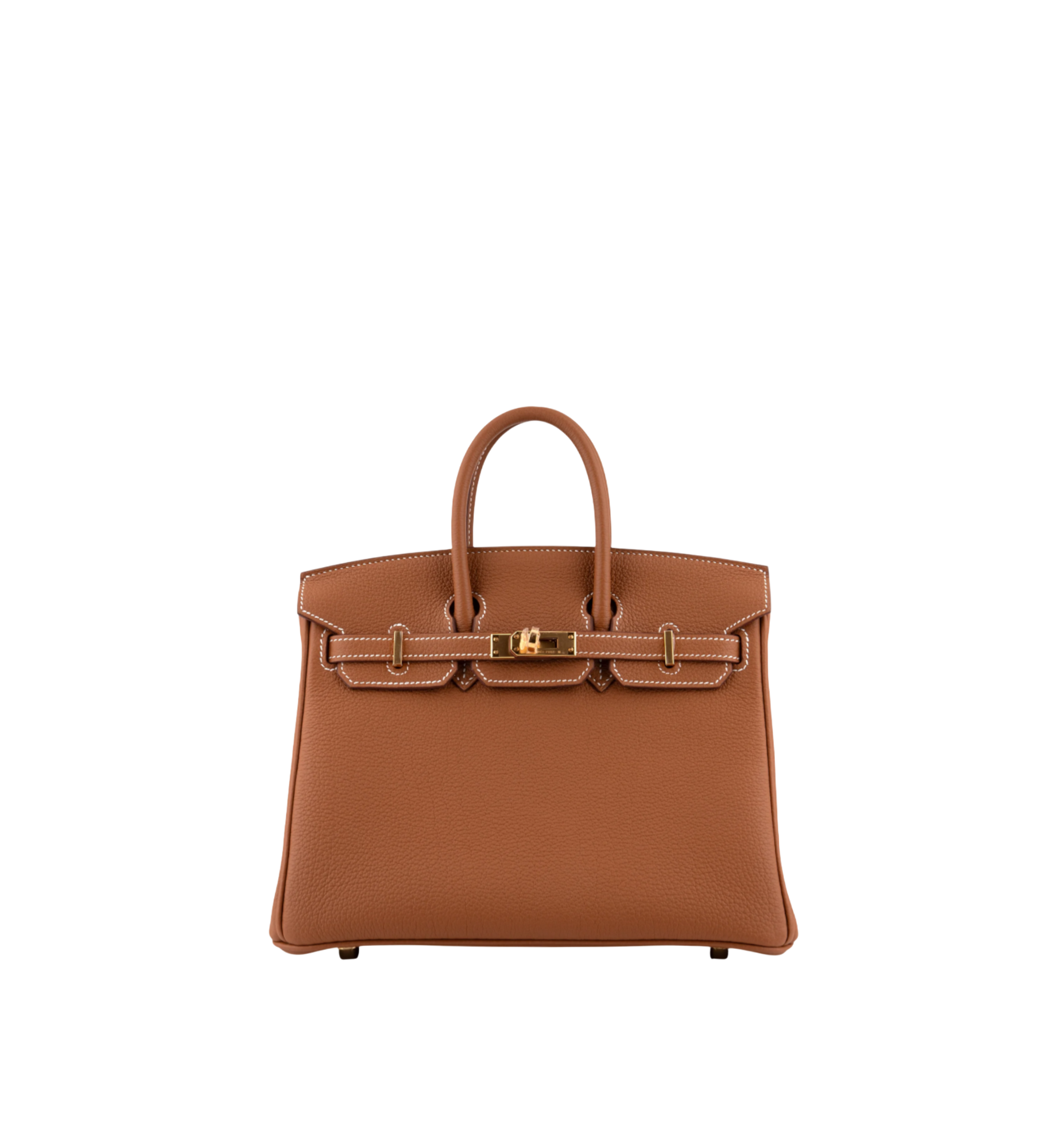
 Same Day Delivery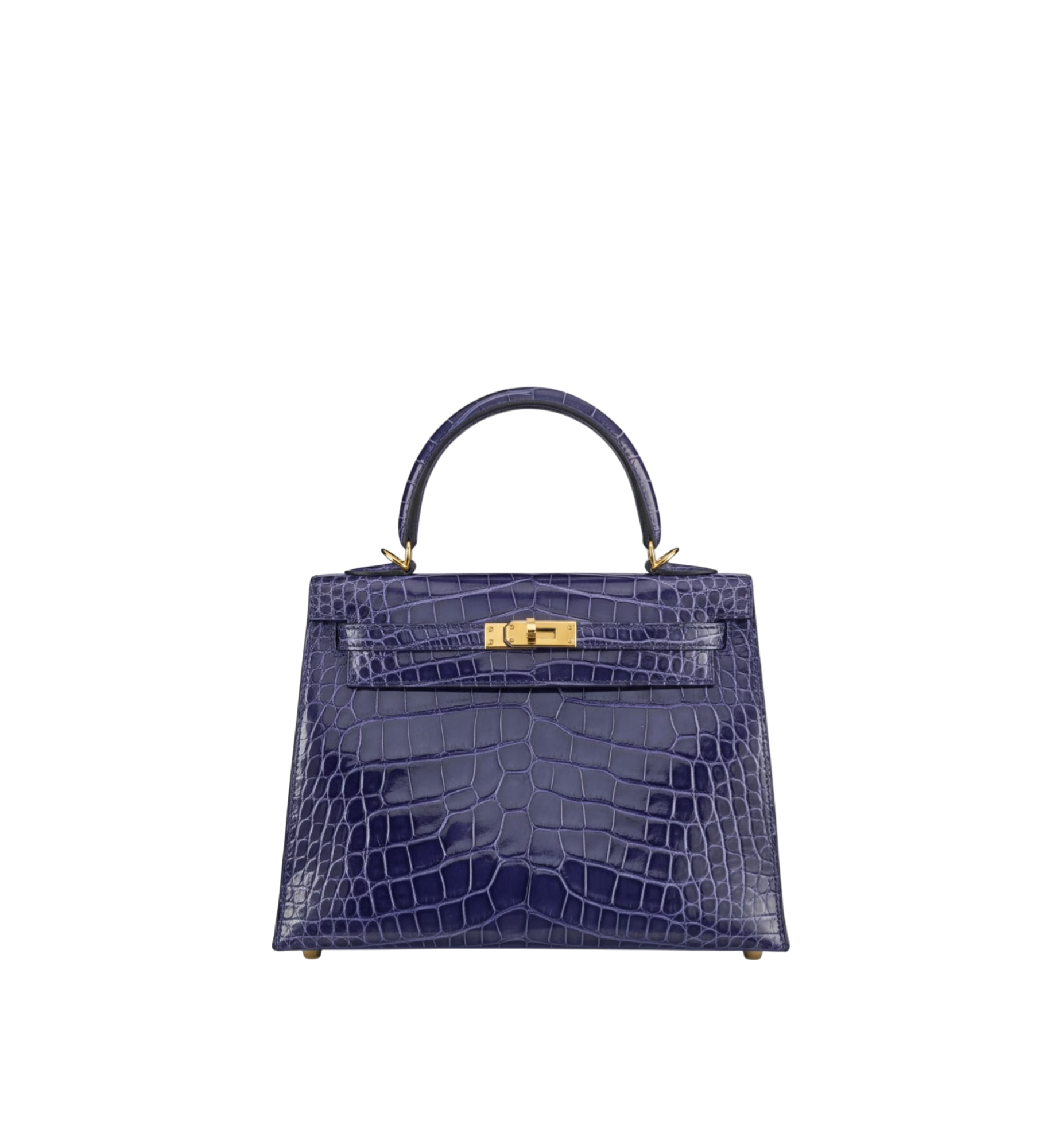
 Same Day Delivery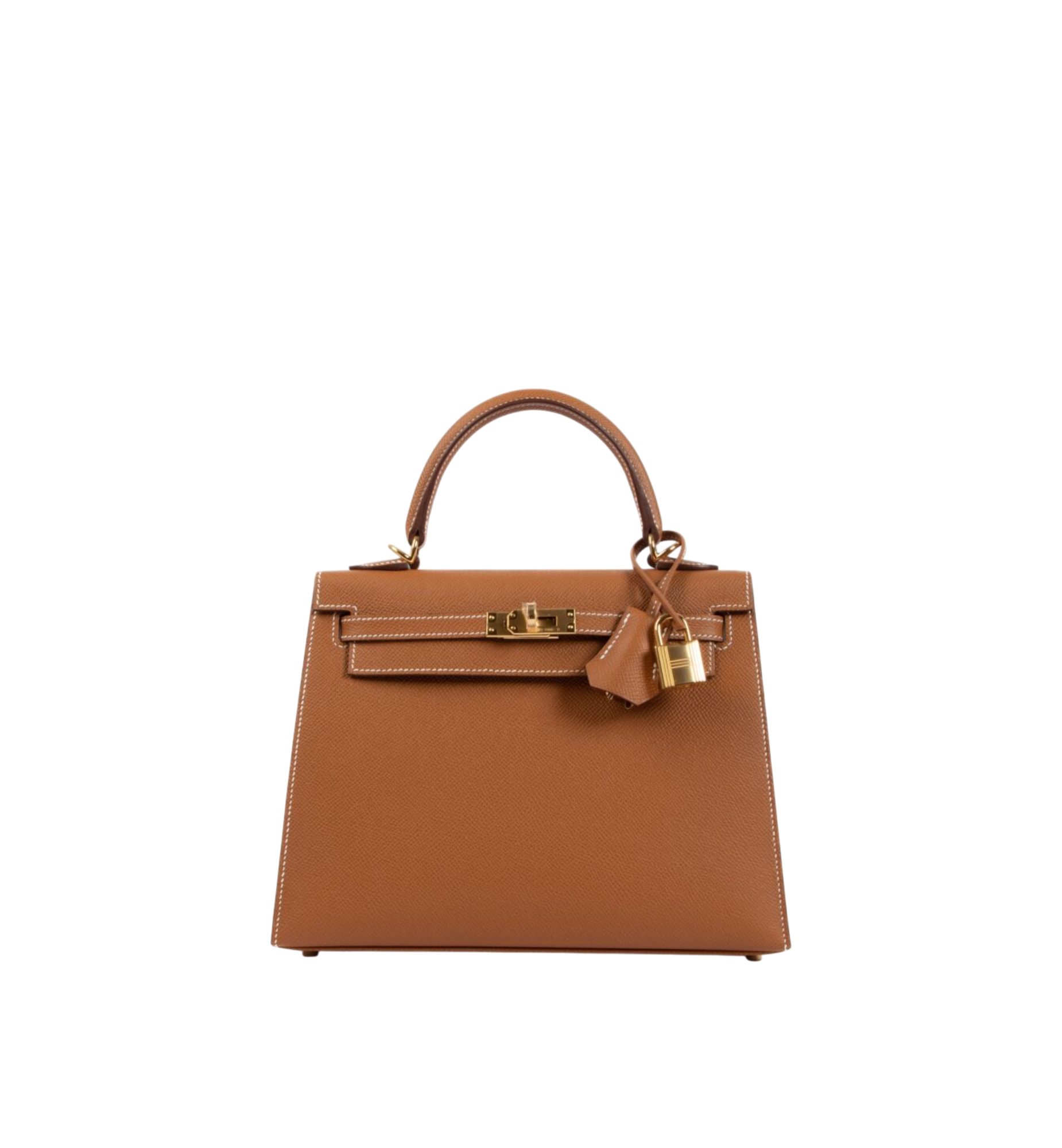
 Same Day Delivery
 Same Day Delivery
 Same Day Delivery
 Same Day Delivery
 Same Day Delivery

Read more

Hermès Birkin vs Kelly: Which Iconic Bag Should You Buy in 2026?
It's arguably the biggest question in luxury fashion, and it's been asked in boutiques, at dinner tables, and in group chats for decades: Birkin or Kelly? These two bags are the crown jewels of Her...
Hermes constance buying guide 2026
Everyone talks about the Birkin and the Kelly. Entire articles are written about waitlists, allocation strategies, and which Hermès boutique sales associate to befriend. And while all of that is re...